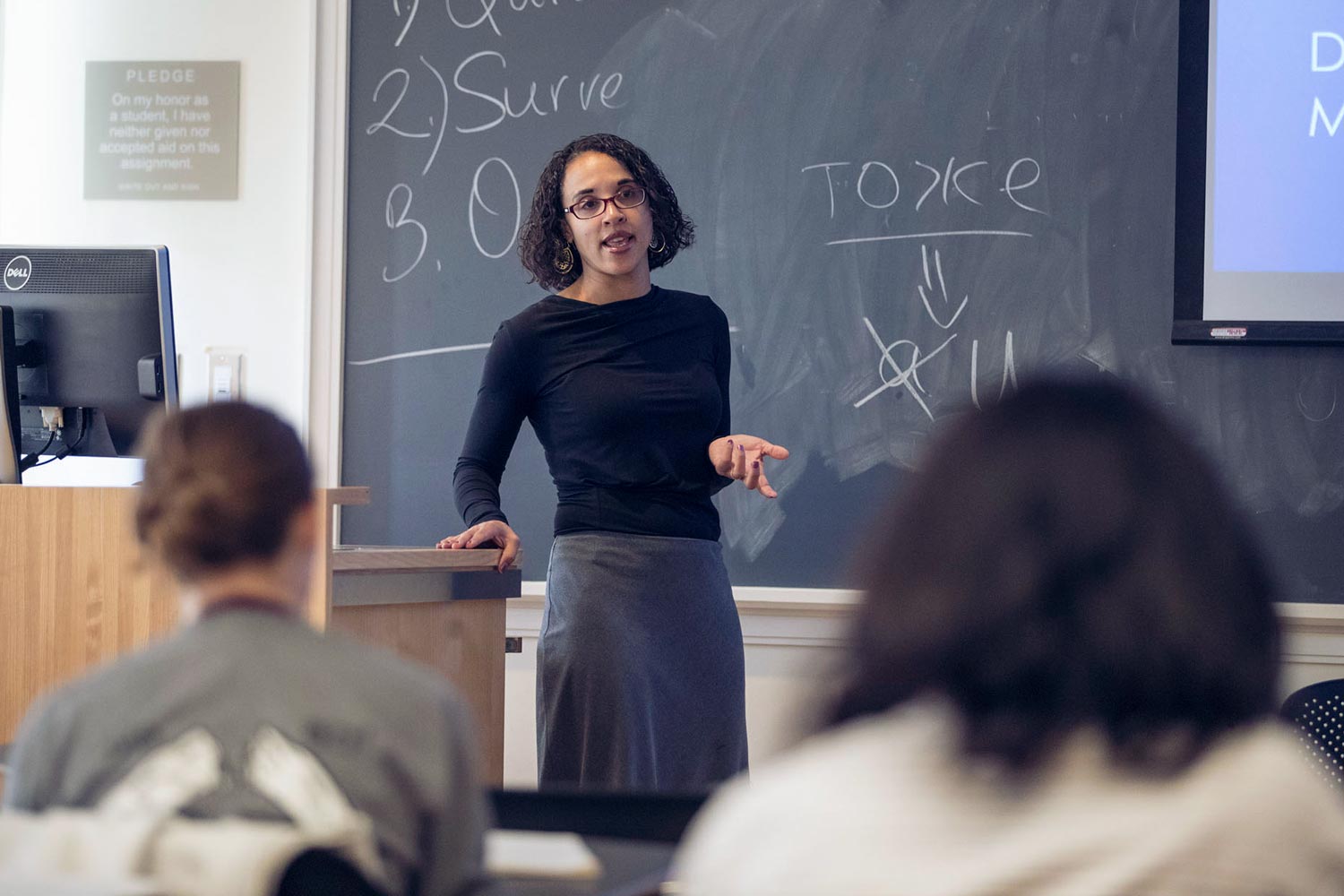
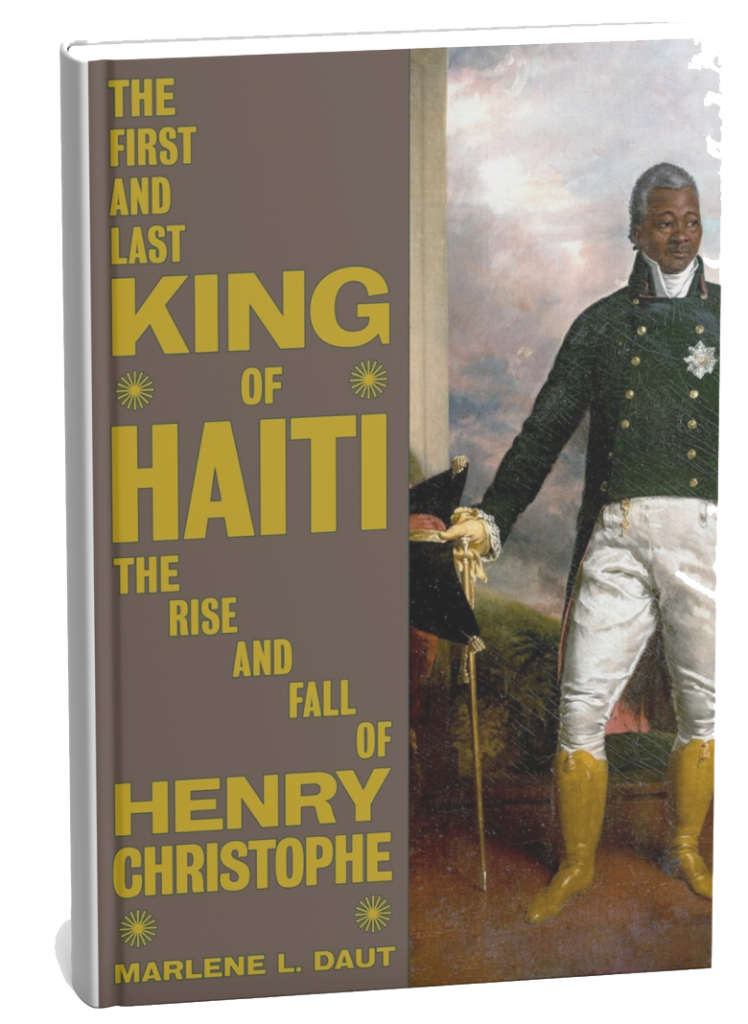
NEW YORK (Le Floridien) — The Haitian American scholar has just won the 2025 Haiti Book Prize, awarded by the Haitian Studies Association, for her book The First and Last King of Haiti: The Rise and Fall of Henry Christophe, published this year by Alfred A. Knopf. This prestigious distinction recognizes a deeply researched work devoted to Henry Christophe, a central figure of post-independence Haiti who has often been reduced to caricature in dominant historical narratives.
In this new book, Marlène L. Daut explores Christophe’s political and human trajectory through primary sources—letters, newspapers, archives, and early nineteenth-century writings—in order to restore the complexity of a leader who profoundly shaped the construction of the Haitian state. The Haitian Studies Association noted that the book offers fresh insight into the Haitian Revolution, the country’s early political life, and the intellectual debates that marked the first Black independent nation. Beyond the figure of Christophe himself, the work examines how Black thinkers of the era reflected on power, freedom, and leadership within an unprecedented postcolonial context. This approach aligns fully with Daut’s broader intellectual commitment: correcting biased or incomplete narratives about Haiti that have long been shaped by external perspectives.
This latest honor is not the first for the Yale University professor. In 2019, she received the Haiti Book Prize for Baron de Vastey and the Origins of Black Atlantic Humanism, a study of one of Henry Christophe’s closest advisers. In 2023, her book Awakening the Ashes: An Intellectual History of the Haitian Revolution was also awarded the Frederick Douglass Book Prize, confirming her standing among the most influential voices in Haitian and Atlantic studies. At Yale, Marlène L. Daut teaches Haitian, Caribbean, African American, and French colonial history and literature. Her scholarship is widely used in U.S. universities and frequently cited in academic discussions on the Haitian Revolution and Haiti’s global impact.
In a recent interview with The Haitian Times, the author emphasized the need for Haitian scholars and writers to reclaim ownership of the national narrative, so that the country’s history is no longer told primarily through foreign lenses. Her academic path—from Loyola Marymount University to the University of Notre Dame, where she earned her doctorate—reflects a sustained commitment to a more accurate and inclusive historiography.
At a time when scandals and negative headlines sometimes tarnish the image of the Haitian diaspora in the United States, Marlène L. Daut’s work serves as a powerful reminder that Haiti also shines through its intellect, culture, and capacity to produce world-class scholarship. Her success is not merely personal; it is collective. It demonstrates that, beyond stereotypes and excesses, Haitians continue to carry the country’s name with distinction on the international intellectual stage.
In a context where Haiti’s image is often distorted, figures like Marlène L. Daut offer another narrative—one of a people capable of telling their own story with dignity, depth, and rigor.