By Le Floridien ____________
PETIT-GOAVE, HAITI — Hurricane Melissa has left a trail of destruction and heartbreak across Haiti, where relentless rains and overflowing rivers transformed entire communities into disaster zones. Although the storm’s eye never directly crossed the island, its outer rainbands unleashed torrential downpours that proved devastating for towns and villages already weakened by poverty and fragile infrastructure.
In the southern coastal town of Petit-Goâve, tragedy struck when the ‘La Digue’ River burst its banks, sweeping away homes, vehicles, and everything in its path. According to Haiti’s civil protection agency and international media reports, at least 20 to 25 people have died, including several children, and dozens more remain missing or injured. Families were caught off guard by the violent rise of the river, some while still asleep in their homes, leaving many with no time to escape.
Hurricane Melissa did not spare the rest of the Caribbean. Jamaica and Cuba were also severely hit, with both nations reporting widespread destruction and multiple casualties. In Jamaica, the hurricane made landfall on the island’s eastern coast as a powerful Category 5 storm, battering St. Thomas, St. Andrew, and Kingston with winds exceeding 180 mph. Torrential rain triggered flooding in St. Catherine and Clarendon, while mudslides in rural parishes destroyed homes and blocked key roads. Preliminary reports indicate dozens of deaths and injuries, along with extensive damage to infrastructure and crops. In Cuba, Melissa struck the western provinces of Pinar del Río, Artemisa, and Havana, uprooting trees, collapsing buildings, and cutting off electricity to hundreds of thousands of residents. Coastal flooding inundated low-lying neighborhoods in Havana and Batabanó, leaving many homeless and forcing the evacuation of thousands. Across the region, the hurricane’s immense force left behind a shared tragedy — shattered communities, lives lost, and a long road to recovery for nations already grappling with economic and social challenges.
While the hurricane struck Jamaica with tremendous force, the loss of life there remained comparatively low. At least three deaths were confirmed during storm preparations, according to official reports — a figure significantly lower than the toll recorded in Haiti at the time of this writing. Authorities in Kingston credited swift evacuations, timely alerts, and coordinated emergency response measures for preventing a much higher casualty count despite widespread damage and flooding.
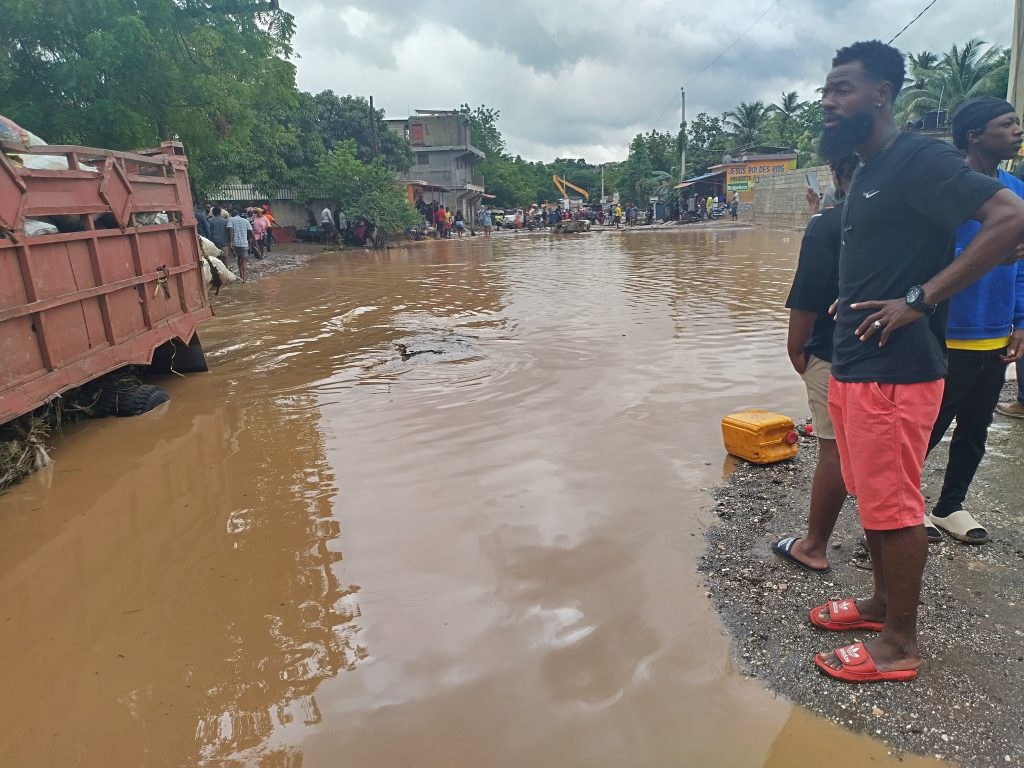
The disaster quickly spread beyond Petit-Goâve. In multiple southern municipalities, rivers rose rapidly, flooding low-lying areas and triggering landslides that buried homes and blocked major roads. Whole neighborhoods were left under muddy water as bridges collapsed and power lines fell, plunging communities into darkness. According to early estimates, more than 750 homes were damaged and over 3,700 people displaced into temporary shelters, schools, and churches. Many survivors have lost everything (homes, crops, and livestock) as they await help from already strained emergency teams.
Agriculture, the backbone of Haiti’s rural economy, has been hit hard. Preliminary reports show that thousands of hectares of farmland were destroyed, including maize and vegetable fields critical for local food supply. The timing of this disaster is particularly cruel, as Haiti was already grappling with food insecurity and economic hardship before Melissa’s arrival.
The country’s geography worsened the storm’s toll. Haiti’s steep mountains and narrow valleys funnel rainwater into violent torrents that surge through towns and rural settlements. In the absence of sufficient flood control systems or reinforced housing, heavy rains can quickly turn deadly. The suddenness of Melissa’s flooding caught residents off guard, and rescue operations have been slowed by collapsed roads, landslides, and debris that make some regions nearly unreachable.
Government officials, rescue workers, and humanitarian organizations are now struggling to reach the most affected areas. The Civil Protection Directorate (DPC) has confirmed that teams are working to deliver clean water, food, and emergency shelter, but fuel shortages and damaged bridges are complicating logistics. Across the Haitian diaspora, including communities in Florida, Canada, and New York, Haitians have already begun mobilizing to raise funds and collect supplies for those back home.
The full scale of the destruction is still being assessed, but the early images tell a painful story — mothers crying beside the ruins of their homes, children being carried through chest-deep water, and entire families seeking refuge on rooftops. This catastrophe has once again exposed Haiti’s vulnerability to natural disasters and the urgent need for stronger infrastructure, better drainage systems, and disaster preparedness planning.
As rescue efforts continue, one thing is clear: Hurricane Melissa will be remembered as one of the deadliest and most destructive storms to hit Haiti in recent years. For a nation already struggling with economic instability and political unrest, this latest disaster is yet another heavy blow — and for thousands of families across the country, the road to recovery will be long and painful.
Le Floridien will continue to monitor developments in Haiti as the government, international aid groups, and diaspora organizations work together to bring relief and hope to those affected by Hurricane Melissa.