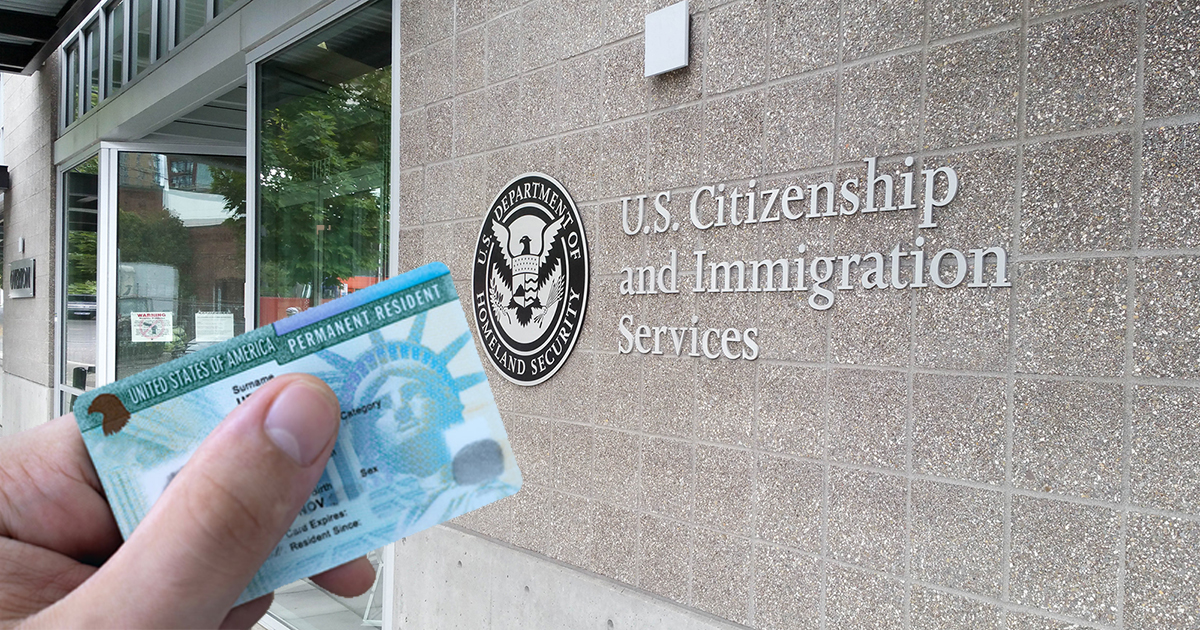
The U.S. decision to review green cards issued to citizens of 19 “countries of concern” has left thousands of Haitians living in America uncertain about their future. Families who believed they were settled now face new fear of losing their status, while Haiti risks losing critical financial support from its diaspora at a time of severe crisis.
By The Editorial Board
Since late November 2025, the U.S. government has ordered a sweeping review of green cards — permanent resident status — issued to immigrants from 19 countries labeled as “of concern.” Among those countries, Haïti stands out. Overnight, thousands of Haitian families who believed their status secure now face uncertainty.
For decades, many Haitians have built lives in the United States: working, studying, raising families, and sending remittances back home. For them, a green card symbolized stability and belonging. But with the new directive from the U.S. Citizenship and Immigration Services (USCIS), that certainty has vanished. The review can lead to delays, additional scrutiny — or even revocation — bringing fear and anxiety into homes that once considered themselves protected.
The consequences go far beyond paperwork. Haitian immigrants now confront a real risk: reduced job stability, threat of deportation, and the impossibility of traveling without fear. Families separated by years of distance — those hoping to bring loved ones over, or to visit relatives abroad — are forced to reconsider. The very idea of the “American dream” feels fragile.
Moreover, this policy comes in a broader context of tightening immigration rules for Haitians. Earlier in 2025, the administration ended Temporary Protected Status (TPS) for thousands of Haitian migrants, meaning many who had relied on this protection now face deportation. Combined with the green card review, the message is clear: many Haitians are no longer welcome.
For Haiti itself, the implications could be devastating. Remittances from the diaspora represent a vital lifeline — hundreds of thousands of families rely on them for food, healthcare, education, and basic survival. If a significant portion of Haitian immigrants lose status or work permission, those funds could dry up. Already fragile households in Haiti could be pushed deeper into poverty.
The social and emotional cost should not be underestimated. Children who grew up in the United States — some born there — now face the prospect of uprooting, of being torn from the only home they know. Elderly parents, community networks, small businesses: all risk disruption. For many, the dread is constant; for some, the hope to rebuild feels lost.
In the American public debate, the administration frames the policy as necessary for national security. But for Haitians, it reads like a punishment for their nationality, not their individual actions. It casts a shadow over entire communities — painting them with suspicion simply because of where they come from, rather than what they’ve done.
At this crossroads, Haitian immigrants and their allies face a stark choice: fight to maintain status against institutional pressure, or adapt to a future of uncertainty. Whichever path they take, the consequences will ripple far beyond the U.S. borders — stretching all the way back to Haiti.