By Dessalines Ferdinand, Chief Editor
Haiti stands at the crossroads of collapse. Communities are under siege, gangs dominate vast swaths of territory, and violence has become the soundtrack of daily life. Analysts and citizens alike often point to political dysfunction, a broken justice system, and the heavy hand of foreign intervention as the roots of the crisis. Yet an equally troubling truth is surfacing: corruption does not stop at the gates of government. It has seeped into the faith sector, an arena once regarded as a refuge of moral authority, and it is directly feeding the chaos consuming the nation.
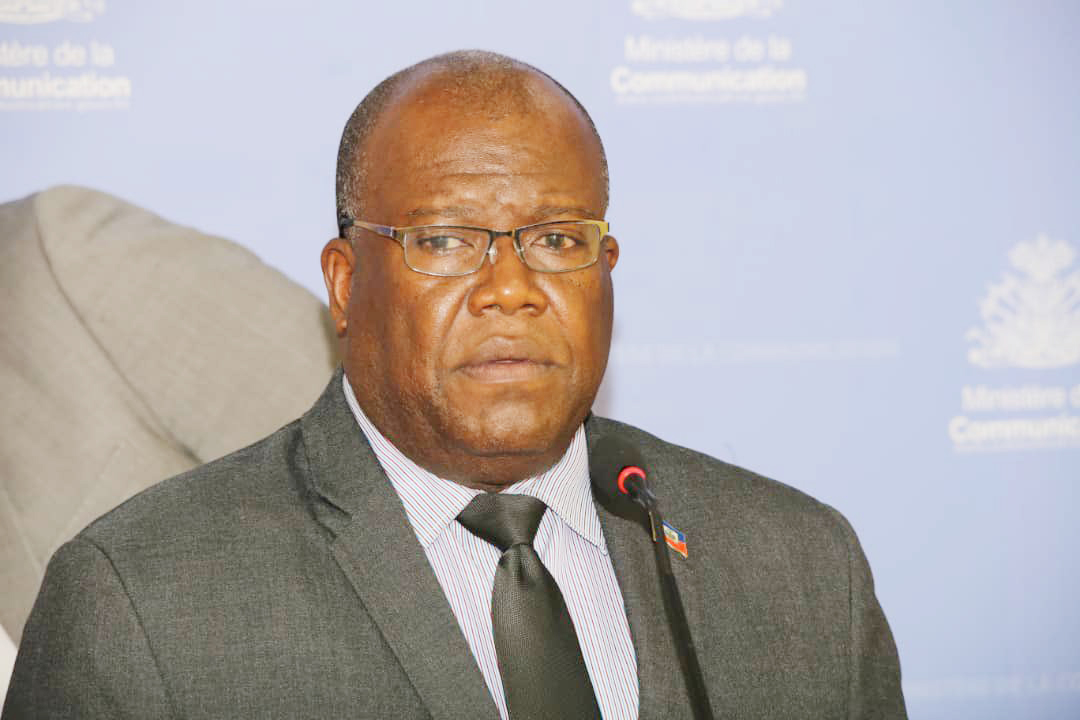
The arrest of Evens Souffrant, former Director General of the Ministry of Religious Affairs, is more than another entry in Haiti’s long ledger of scandals. It is a seismic warning. Souffrant is accused of exploiting his post to facilitate arms trafficking, using religious customs exemptions to funnel weapons and ammunition into the country — the very tools that empower gangs and terrorize the population. For a country already in flames, such complicity is nothing short of betrayal.
How did Haiti arrive at this point? Institutions created to uphold morality and mediate peace — churches, ministries, and faith-based organizations — now face damning allegations of weapons smuggling, money laundering, and collusion with organized crime. Instead of standing with the vulnerable, some of those cloaked in religious authority have allegedly chosen to arm the oppressors.
Religious institutions hold immense sway in Haitian society. They shape spiritual life, provide education, and anchor communities in times of despair. Yet this scandal reveals how fragile that trust has become. Investigators point to the Episcopal Church of Haiti and several ministry employees as part of a scheme that used fraudulent documents to evade customs inspections. The shipments in question contained not humanitarian aid or supplies, but weapons of war destined for the gangs tightening their grip on the nation.
When guardians of faith weaponize their authority for profit, the damage reverberates beyond one church or one official. It corrodes public confidence in religion itself, destabilizes communities, and deepens the moral vacuum at the heart of the nation’s crisis.
The cost of this complicity is borne by ordinary Haitians. Neighborhoods remain locked in cycles of extortion and fear. Citizens live under the constant threat of crossfire between gangs and outmatched security forces. Police officers, too often under-equipped, face criminal groups wielding firepower smuggled through precisely these channels of corruption. The result is a pervasive sense of abandonment — by politicians, by civic leaders, and now, by faith leaders.
Accountability can no longer be optional. This scandal is not about one ministry or one denomination. It is about the urgent need for integrity in all positions of power — political, civic, and spiritual alike. The Haitian government must pursue a transparent and comprehensive investigation into trafficking networks that exploit religious institutions. Meanwhile, churches and faith-based organizations must take responsibility, implementing internal safeguards to ensure that privileges such as tax exemptions, humanitarian channels, and customs clearances are never again weaponized by those seeking to profit from Haiti’s misery.
The path to peace requires dismantling the unholy alliance between corruption, organized crime, and institutions of influence. Without decisive reform, the cycle of chaos will continue, and ordinary Haitians will remain its victims.
Faith is supposed to be a beacon of hope, a source of trust, compassion, and unity for a people fighting to survive relentless turmoil. But when figures like Evens Souffrant manipulate positions of sacred responsibility for personal gain, they betray not only their institutions but also the very communities they were meant to serve. Each such betrayal erodes confidence, weakens moral leadership, and widens the fractures already threatening Haiti’s survival.
For Haiti to imagine a future of stability and peace, the nation must face an urgent, painful reality: corruption contaminates not only its politics and economy but even its sacred spaces. Until accountability reaches every sector of society — including the faith sector — the dream of a just and secure Haiti will remain tragically out of reach.