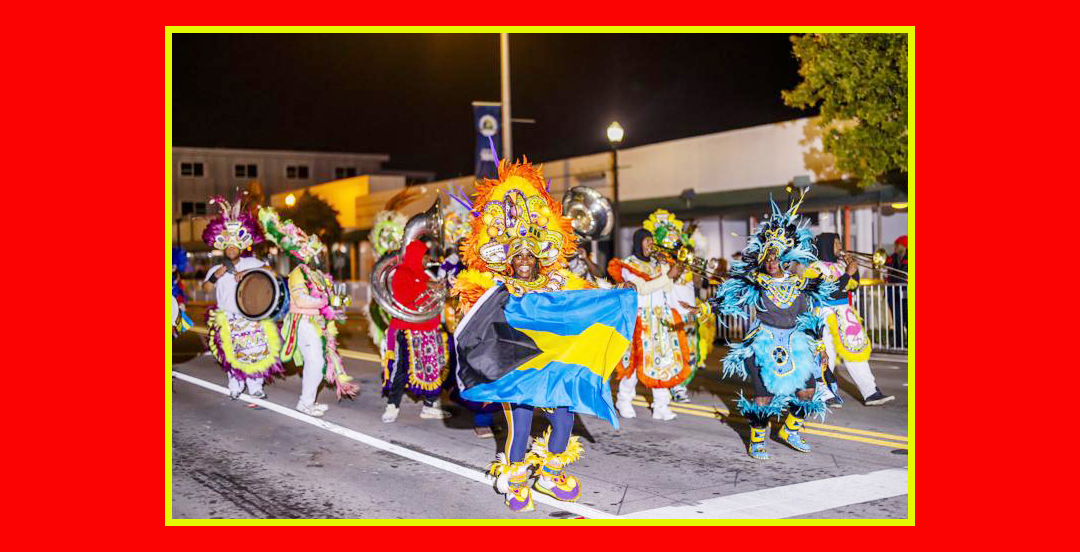
The City of North Miami’s centennial kickoff was meant to celebrate diversity, but for many Haitian residents, it highlighted the opposite. From a lack of outreach to a cultural misstep during the parade, the event left one of the city’s largest communities feeling excluded from a celebration that was supposed to honor everyone.
By Le Floridien
What was intended to be a moment of unity and cultural pride during the official kickoff of the City of North Miami’s yearlong 100th anniversary celebration instead left many Haitian residents feeling deceived, sidelined, and culturally misrepresented.
On Thursday, February 5, from 6:00 p.m. to 9:00 p.m., the City of North Miami held an inaugural evening event as part of its centennial festivities. Despite the fact that Haitians make up approximately 32 percent of the city’s population, many members of the Haitian community say they were largely unaware of the event and did not receive clear or targeted communication from city officials about its significance or schedule.
For a community that has played a central role in North Miami’s social, economic, and cultural life for decades, the lack of outreach was already troubling. But what followed during the parade portion of the event deepened the sense of exclusion.
As Haitian representatives—actors and performers selected to represent the community—approached the official stand where local authorities and elected officials were seated, expectations were simple and reasonable: to be welcomed with authentic Haitian music, such as konpa or rasin, genres internationally recognized as expressions of Haitian identity. Notably, Konpa was recently recognized by UNESCO as part of Haiti’s global cultural heritage, further underscoring its significance as a symbol of the nation’s cultural contribution to the world.
Instead, the DJ in charge played a Caribbean zouk song, “Zouk la se sèl medikaman nou”, by the legendary renowned French Caribbean band Kassav. While zouk is a respected and popular genre in the wider Caribbean, it is not Haitian music, nor does it represent Haiti’s cultural heritage.
The moment was met with disbelief among several Haitian attendees. To many, it symbolized a broader pattern in which Haitian culture is routinely grouped into a vague “Caribbean” category, rather than being acknowledged on its own terms.
The irony was difficult to miss. Based on videos circulating on social media, some local elected officials seated on the official stand appeared to be enjoying the music, seemingly unaware—or unconcerned—that the song being played had no direct cultural link to the Haitian community being honored at that moment.
This stood in stark contrast to the treatment of other cultural groups participating in the parade. Representatives from other communities that make up North Miami’s diverse population were reportedly welcomed with their respective traditional music, carefully selected to reflect their unique identities.
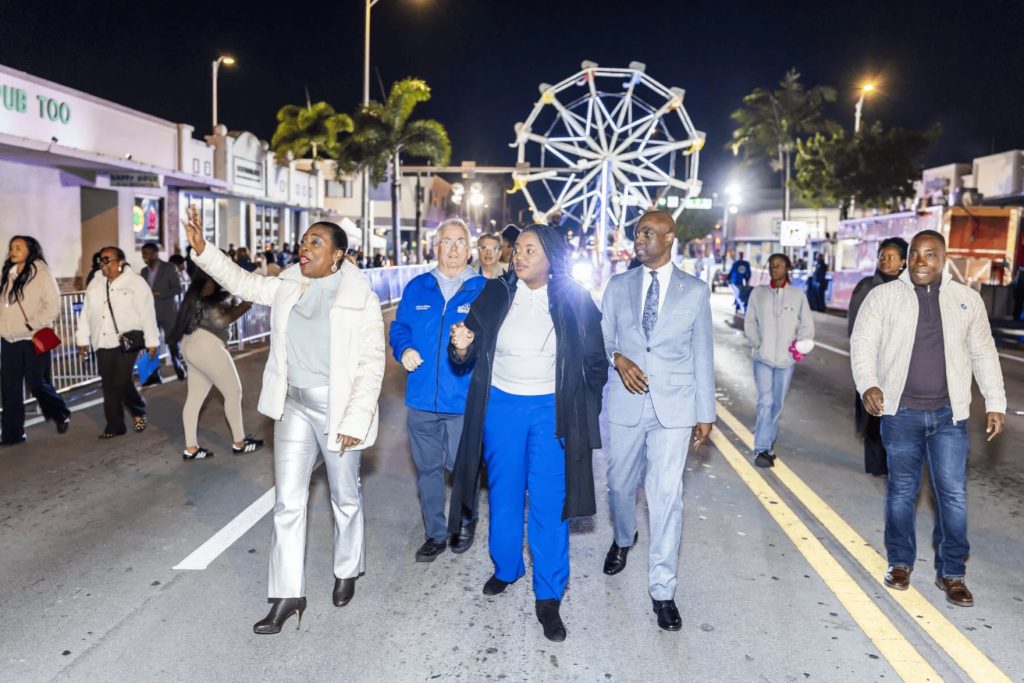
The reaction has drawn particular attention in light of North Miami’s political landscape. For more than two decades, Haitian Americans have played a central role in local civic life, not only participating in elections but consistently mobilizing voters and influencing the city’s leadership. Today, four of the five members of the North Miami City Council are of Haitian descent, reflecting the significant impact of Haitian-American voters on municipal elections.
That context has prompted many residents to question how a centennial celebration in a city so closely tied to the Haitian community could generate perceptions of cultural misrepresentation and exclusion. For some, the concern extends beyond a single event and toward broader issues of responsiveness and inclusion, raising the question of whether political representation is being matched by meaningful recognition and respect for the community’s cultural presence.
For many Haitians, the episode felt less like a simple oversight and more like a symbolic erasure—particularly painful given the city’s heavy reliance on Haitian residents, voters, workers, and taxpayers.
“This was supposed to be a celebration of 100 years of North Miami,” said a well-known educator and radio broadcaster. “But how do you celebrate the city’s history while sidelining one of its largest and most influential communities?”
“Were Haitian leaders or residents from the city included on the planning committee?” asked a North Miami resident. “It takes about a year to plan an event like this. Any misunderstandings should have been addressed in advance. If you’re not there to help guide or insist on representation, they will serve you whatever they choose.”
“I was there for most of the evening and barely heard any Haitian music,” another attendee said. “And now I’m told they played ‘Zouk la se sel medikaman nou ni’ as Haitian music during the Haitian band parade. That is not Haitian music.”
The incident has reignited longstanding concerns among Haitian residents about representation, consultation, and respect. Community leaders point out that meaningful inclusion goes beyond inviting Haitian faces to a parade; it requires listening, cultural accuracy, and intentional engagement.
As North Miami continues its centennial celebrations throughout the year, many in the Haitian community are now calling on city officials to reflect on Thursday night’s missteps and to ensure that future events genuinely reflect the cultural realities of the city they govern.
For a city built on diversity, symbolism matters. And for North Miami’s Haitian community, the message sent during this inaugural event was one that many say should never have been allowed to happen in the first place.