Overview
Taste of Miami Karnival drew a large and diverse crowd, confirming the event’s growing success and cultural importance in Miami’s Haitian community. Building on lessons from its inaugural edition, this year’s carnival delivered a more organized and energetic experience, featuring major performers, Haitian-led floats, notable public officials, and special guests. While the celebration highlighted unity, pride, and strong community support, it was also marked by a tragic incident that underscored the need for continued attention to public safety as the event continues to grow.
By Dessalines Ferdinand
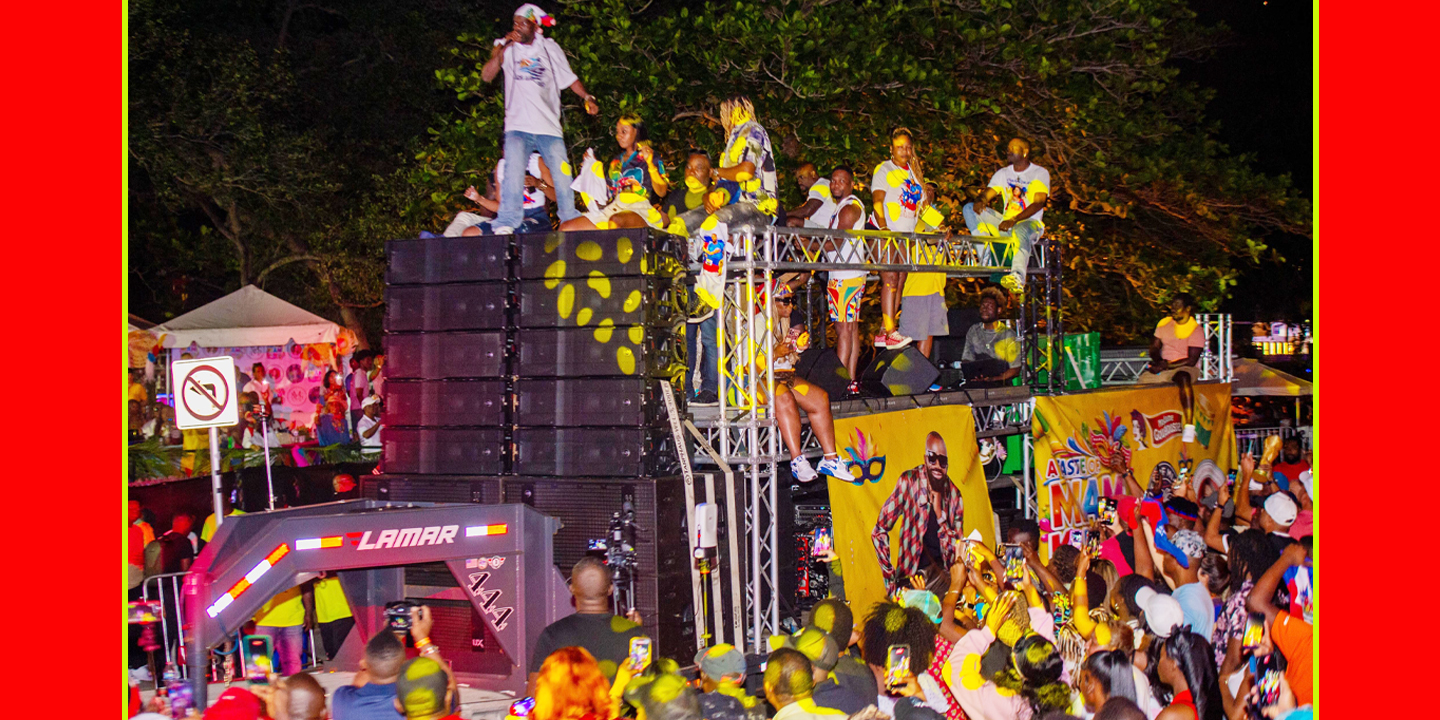
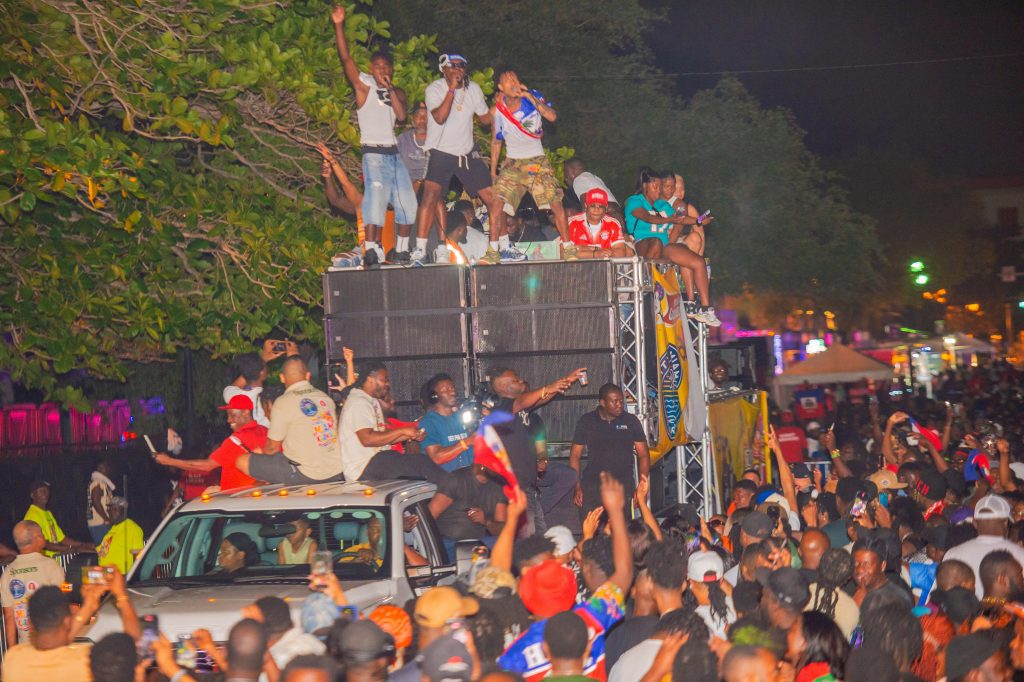
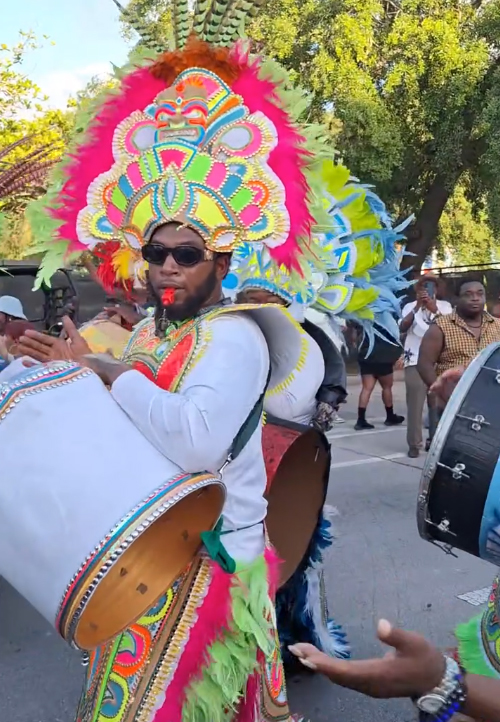
LITTLE HAITI, Miami — The second edition of Taste of Miami Karnival delivered on its promise Sunday, drawing thousands of attendees who transformed Northeast 2nd Avenue into a vibrant corridor of music, culture, and Caribbean pride. From 4 p.m. until nearly midnight, carnivalgoers filled the stretch from 54th to 62nd Street, as a large main stage featuring solo artists and bands, along with two Haitian floats, brought energy to the heart of Little Haiti. What began in 2025 as an ambitious first edition has now evolved into a more structured, better attended, and culturally affirming event—one that is quickly establishing itself as a staple in Miami’s cultural calendar.
Under the umbrella of Miami Marketing Strategies Inc., this year’s edition showed clear progress. While the inaugural event was successful in spirit, it also exposed weaknesses in planning, communication, and logistics. For the 2026 edition, organizers returned with greater preparation, more experience, and a stronger vision, resulting in an event that felt more cohesive and better executed. The shift to an April date, with milder weather than last year’s June heat, also helped maintain a steady flow of attendees and a more vibrant atmosphere throughout the evening.
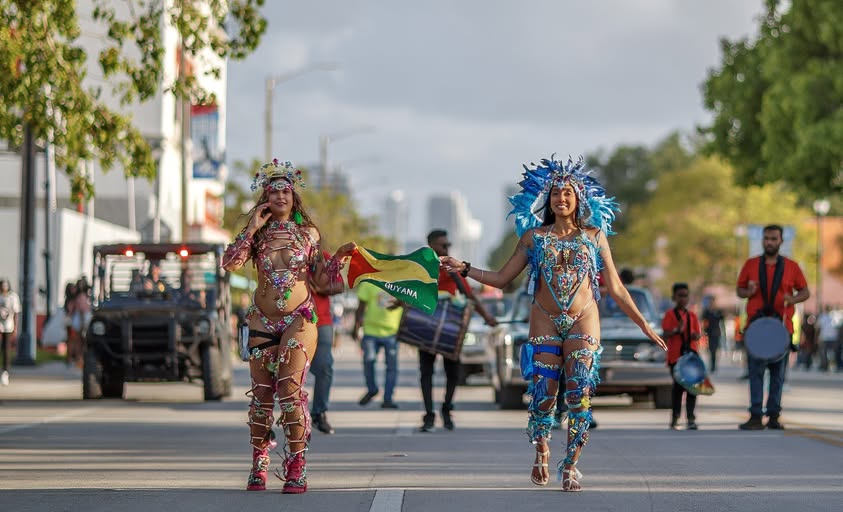
Music remained at the heart of the celebration, as a dynamic blend of soca, reggae, calypso, and Haitian compas created a lively Caribbean soundscape. At the same time, the event’s Haitian identity was unmistakable. That presence was reflected not only in the performances, but also in the overall spirit of the carnival, reaffirming the central role of the Haitian community in organizing and shaping the event, and reinforcing Little Haiti’s place as a cultural anchor in South Florida.
Star-Studded Lineup and Haitian Highlights
Sunday’s stage lineup featured a diverse group of performers, including Jamaican dancehall and reggae artist Charly Black, GRAMMY-nominated Puerto Rican American singer-songwriter Luis Figueroa, British-born Bajan soca star Alison Hinds, Haitian DJ Bullet, and rising Haitian American Miami-based artist Matheo. Along Northeast 2nd Avenue, two floats led by well-known Haitian artists—Shaba, leader of the band EKIP, and popular DJ TonyMix—kept the crowd energized and dancing throughout the night. Haitian compas band KLASS was also scheduled to close the festivities on the main stage.
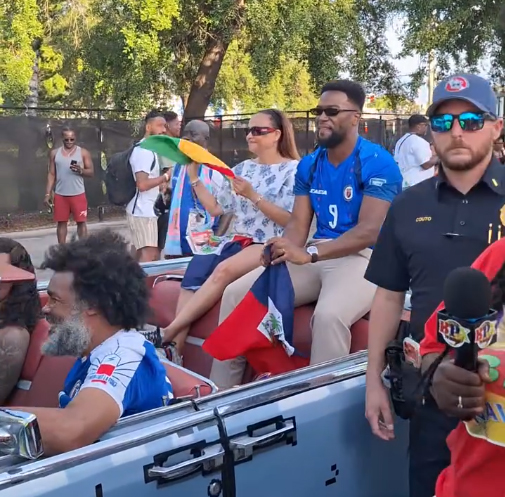
Among the event’s special guests was Duckens Nazon, Haiti’s all-time leading goal scorer, whose presence added both excitement and symbolic significance to the evening, underscoring the connection between Haitian cultural pride and national representation beyond the arts.
The event also drew a strong presence from elected officials, underscoring its growing importance within the region. Among those in attendance were Miami-Dade County Commissioner Marleine Bastien, North Miami Beach Vice Mayor Fortuna Smukler, and Florida State Representative Wallace Aristide, reflecting the event’s expanding cultural and civic relevance.
At the center of the event’s institutional support was City of Miami Chairwoman Christine King, whose district 5 includes the Little Haiti neighborhood. Her office sponsored the carnival, and she served as this year’s Grand Marshal, placing her at the forefront of a celebration that continues to gain momentum. Her involvement signals growing institutional recognition of an event that many now view as more than a festival, but as a platform for cultural visibility and community affirmation.
A Tragic Incident Amid Celebration
Despite the success and positive atmosphere that defined much of the evening, the event was marked by a tragic incident late Sunday night. A shooting near the main stage left three people injured and claimed the life of 23-year-old Kitchner Cyrille, a young man remembered by family members as a source of light, energy, and generosity.
Cyrille, affectionately known as “Junior,” was described by loved ones as someone who always showed up for others. “Most helpful hand in the family,” one relative said, reflecting the deep loss now felt within the community. The incident has cast a shadow of grief over what had otherwise been a moment of celebration.
Speaking Monday, Miami Police Chief Manuel Morales indicated that no arrests had been made, though a person of interest had been identified. He noted that even with planning and security measures in place, incidents of this nature can be difficult to prevent. “No matter how much planning you have, it is incredibly hard to dissuade someone who has a target in mind,” Morales said, describing the incident as a “crime of opportunity.”
The tragedy was reportedly the result of a jealous dispute involving two men and a woman. Unfortunately, the aggressor chose to settle his conflict with his rival during a community event. It was a deplorable scene that marred an otherwise important cultural celebration.
Commissioner Christine King also addressed the incident, offering condolences to the victim’s family while reaffirming her support for the continuation of the carnival. Her position echoes a broader sentiment shared by the event’s principal organizer, Rulx “Ringo” Cayard, who also sent condolences to the young man’s family and said that other decisions will be taken next year to help avoid any tragedy like that. Cayard added that he is already taking steps to plan the third edition, scheduled for April 11, 2027. Like other community leaders, he believes that although the tragedy is deeply painful, it should not define or derail an event of such cultural importance to Little Haiti.
Growth, Reflection, and the Path Forward
The dual reality of the evening—celebration and tragedy—highlights both the progress and the challenges associated with large public gatherings in urban settings. For organizers, the success of the 2026 edition confirms that Little Haiti Karnival has the potential to grow into a major annual tradition. At the same time, the incident underscores the importance of continuously strengthening safety measures and coordination for future editions.
Little Haiti Karnival is increasingly becoming more than a one-day event. It is a statement of cultural presence, a celebration of Haitian identity, and a space where the community can gather in pride and unity. The strong turnout, vibrant atmosphere, and broad participation this year demonstrate that the foundation for a lasting tradition is firmly taking shape.
Yet, as the community reflects on both the joy and the loss that marked this year’s edition, one thing remains clear: the future of Little Haiti Karnival will depend not only on its growth, but also on the ability of organizers and authorities to ensure that such celebrations remain safe for everyone who attends. As Chrislyne Brumaire-Florence, aunt of the late 23-year-old Kitchner Cyrille, told NBC6 on Monday afternoon, the family does not want a tragedy like this to ever happen again.
For now, the streets of Little Haiti carry both the echoes of music and the weight of mourning—a reminder that even in moments of unity and celebration, the responsibility to protect community life must remain a priority.