Following Republican losses in the 2026 midterm elections, President Donald Trump suggests that undocumented immigrants who have lived and worked in the United States for years could be considered for legal protection under a bipartisan agreement.
By Le Floridien
WASHINGTON, November 9, 2026 — President Donald Trump has opened the door to a possible immigration agreement with Democrats, acknowledging that his administration’s aggressive deportation policies may have gone too far, particularly when targeting undocumented immigrants who have lived peacefully and worked in the United States for many years.
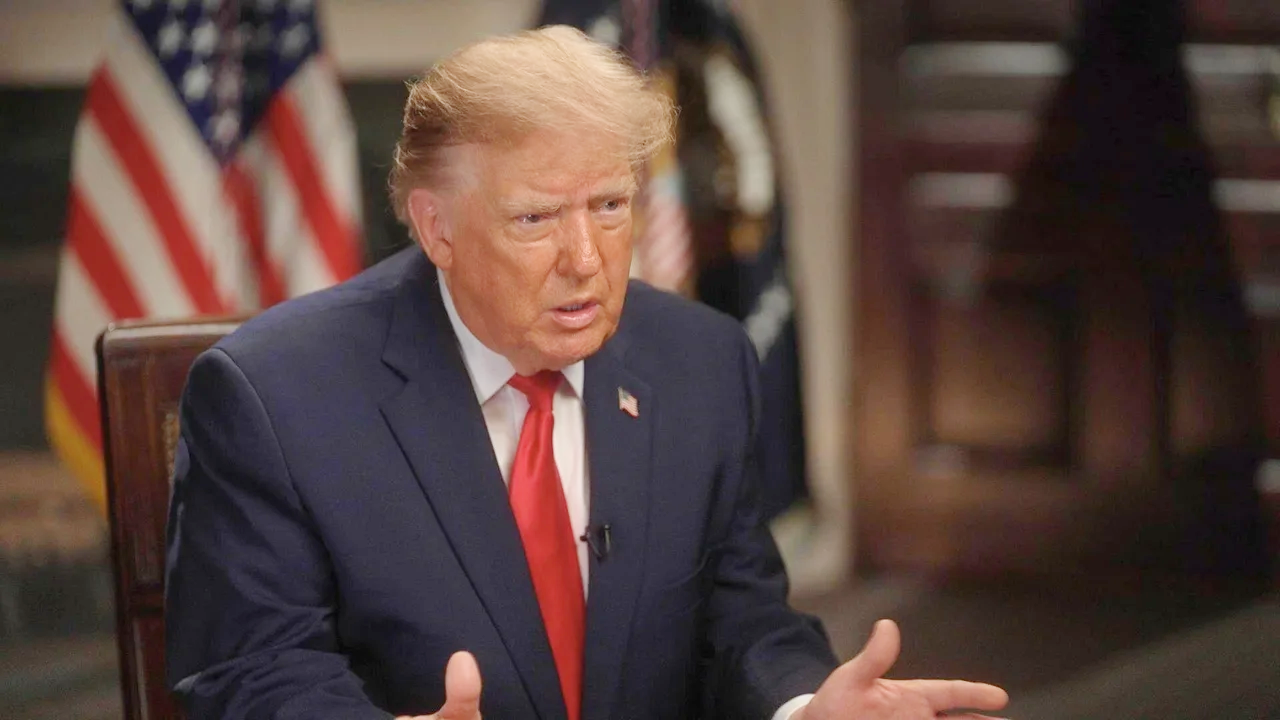
The president’s remarks, made during an interview with CBS News’ 60 Minutes that aired Sunday, November 8, represent a notable change in tone following Republican defeats in the November 3 midterm elections.
Asked whether his administration’s immigration enforcement measures had been excessively aggressive, Trump acknowledged that they might have been too harsh.
“I think it might be too tough, yeah,” the president said.
His comments come as Democrats prepare to assume control of both chambers of Congress in January 2027, creating a new political environment in which the White House may need bipartisan cooperation to advance major legislation.
A Possible Deal for Long-Term Undocumented Immigrants
One of the most significant aspects of Trump’s remarks concerned undocumented immigrants who have established lives in the United States, maintained employment, and contributed to the economy.
The president specifically mentioned individuals working in hotels, restaurants, construction, landscaping, and other industries that depend heavily on immigrant labor.
Trump suggested that removing people who have worked for years without committing serious crimes presents a difficult situation.
He raised the possibility of negotiating an arrangement for undocumented immigrants who have lived in the country for 10 or 15 years, while continuing to prioritize the deportation of individuals convicted of serious crimes.
Although the president did not outline a formal proposal, his comments suggest that certain long-term undocumented residents could become part of future negotiations between Republicans and Democrats.
However, no agreement has been reached, and there is currently no new immigration program resulting from his statements.
Republican Election Losses Bring Immigration Policy Under Scrutiny
Trump’s remarks follow a difficult midterm election for Republicans, who lost control of the House of Representatives and Senate.
Immigration enforcement, one of the administration’s central priorities, became a major political issue as federal authorities expanded arrests, detention operations, and deportations.
While the administration has defended its policies as necessary to enforce immigration laws and protect public safety, critics have raised concerns about the treatment of immigrants without criminal records, family separations, and enforcement operations affecting established communities.
The president acknowledged that his immigration policies had both helped and hurt Republicans politically.
His latest comments suggest that the election results have prompted renewed consideration of how immigration enforcement is carried out.
Administration Officials Reject Broad Amnesty
Despite Trump’s apparent willingness to negotiate, significant disagreements remain within his administration.
Homeland Security Secretary Markwayne Mullin said Monday that he supports bipartisan discussions on immigration but opposes granting broad amnesty to undocumented immigrants.
Mullin also indicated that Congress could examine possible permanent legal status for certain immigrants protected under Deferred Action for Childhood Arrivals, commonly known as DACA.
Meanwhile, Trump’s decision to appoint Stephen Miller, a principal architect of his administration’s restrictive immigration policies, as White House chief of staff has raised questions about how much the administration’s enforcement approach might change.
For now, federal immigration enforcement continues, and the White House has not announced a comprehensive legalization proposal.
What Could This Mean for Haitian Immigrants?
For Haitian communities across South Florida and elsewhere in the United States, the president’s remarks are particularly relevant.
Many Haitian immigrants have spent years building families, working, operating businesses, paying taxes, and contributing to their communities while facing uncertainty over their immigration status.
A future agreement addressing long-term undocumented residents could potentially affect some Haitian immigrants, depending on eligibility requirements and the final provisions of any legislation.
However, Trump’s comments do not establish a pathway to permanent residency, grant work authorization, or protect anyone from deportation.
Importantly, the president did not announce any change to Temporary Protected Status (TPS) for Haitian nationals.
Any future immigration agreement would need to address difficult questions, including how long applicants must have lived in the United States, whether they must demonstrate employment or tax compliance, what criminal-history restrictions would apply, and whether legal status could eventually lead to permanent residency.
Until specific legislation is introduced and enacted, immigrants should not interpret the president’s remarks as a change in their current legal rights or obligations.
A Political Opening, but No Guarantee of Reform
The possibility of an immigration compromise comes after decades of unsuccessful attempts by Congress to adopt comprehensive reforms.
Democrats have generally supported stronger protections for established undocumented residents, while Republicans have emphasized border security, immigration enforcement, and restrictions on unauthorized entry.
Whether the two parties can bridge those differences remains uncertain.
Trump’s latest remarks have nevertheless reopened a discussion that could have significant consequences for millions of immigrants living in the United States.
For Haitian families who have spent years navigating an uncertain immigration system, the central question is whether the president’s willingness to negotiate will eventually translate into meaningful legislation.
For now, Trump’s comments represent a possible opening for immigration reform — not a change in immigration law.