By Le Floridien Staff____________
Haiti’s qualification for the FIFA World Cup 2026 is one of the proudest moments in the country’s football history. After decades away from the world’s biggest soccer tournament, the Grenadiers are finally returning to the international stage, bringing excitement and hope to Haitians across the globe.
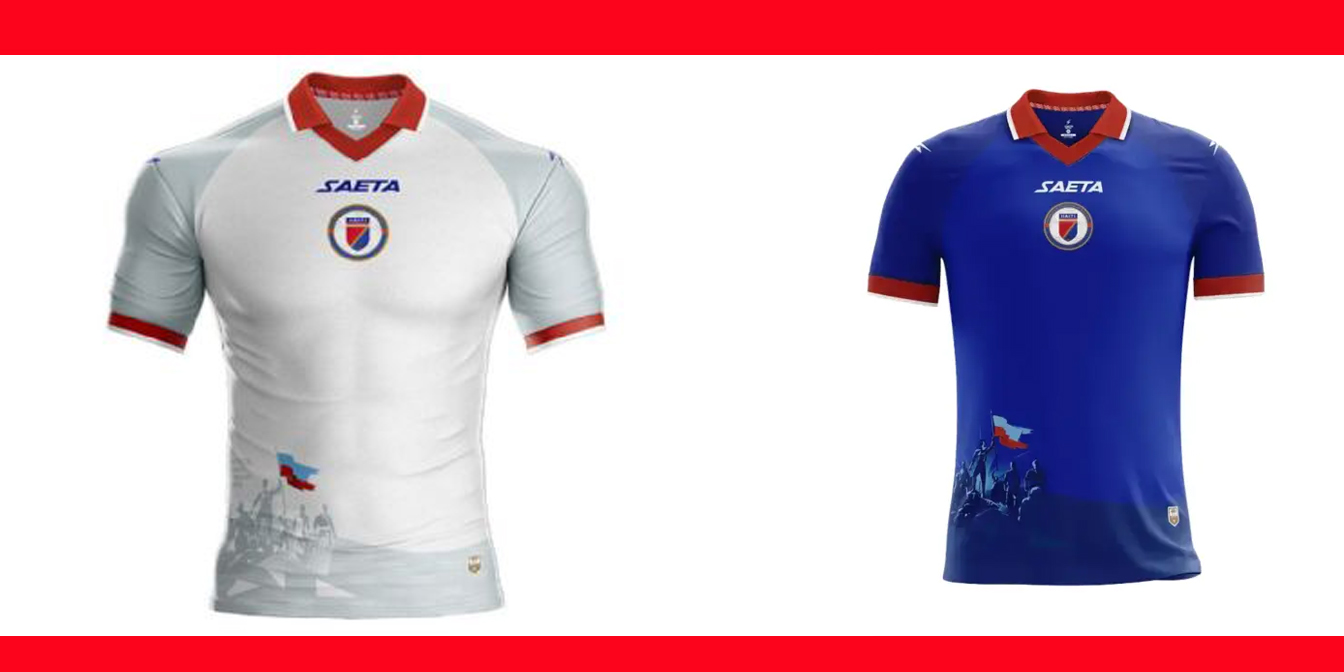
But while the team’s return has been celebrated, the official World Cup jersey has sparked disappointment among many supporters.
Since the unveiling of Haiti’s official World Cup shirt design, numerous Haitian fans have criticized the fashion style, saying it lacks creativity, originality, and the strong visual identity that represents Haitian culture. Many supporters expected a jersey that would reflect Haiti’s vibrant art, colorful heritage, and unique national pride.
Instead, many fans felt the design was too simple and failed to stand out compared to other nations preparing for the tournament.
The criticism intensified after Haiti’s jersey was ranked No. 83 by ESPN Sports on a list of 100 World Cup 2026 jersey designs. The ranking placed Haiti near the bottom and far outside the Top 50.
The list included 100 designs because most national teams released multiple official jerseys for the tournament, including home, away, and alternate versions. In Haiti’s case, however, many supporters pointed out that the home and away shirts look very similar, with little difference in style or concept. Critics argue that this made the overall presentation feel repetitive and less creative than many competing nations.
At the top of the rankings, Uruguay claimed the No. 1 spot, followed by Japan at No. 2, France at No. 3, and Curaçao at No. 4. Curaçao’s strong ranking especially caught the attention of many Caribbean soccer fans, with some Haitians questioning why another Caribbean nation was able to deliver a more celebrated design.
For many supporters, the issue goes beyond fashion. A World Cup jersey represents the image of a country before millions of viewers worldwide. It is a symbol of national identity, pride, culture, and representation on the global stage.
Some fans still defend the Haitian jersey, arguing that the most important thing is seeing Haiti back in the World Cup regardless of the uniform design. Others believe the criticism is justified because the moment deserved a more memorable and inspiring visual presentation.
Despite the debate surrounding the jersey, Haitian supporters are expected to rally behind the Grenadiers once the tournament begins. Fans hope that while the jersey may have ranked near the bottom, Haiti’s performance on the field will tell a completely different story.