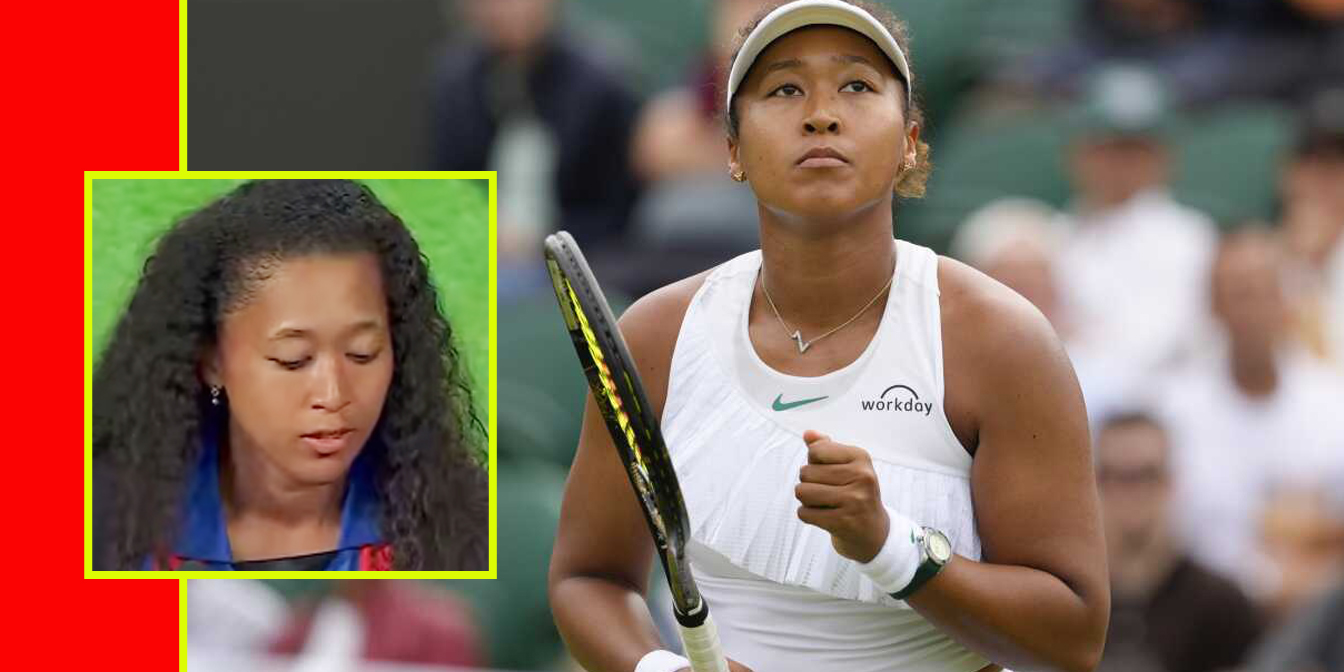

Haitian-Japanese-American tennis star Naomi Osaka continues to inspire fans around the world with both her performances on the court and her embrace of her multicultural heritage.
The four-time Grand Slam champion delivered one of the biggest upsets of the 2026 Wimbledon Championships by defeating world No. 1 Aryna Sabalenka in straight sets to reach the Wimbledon quarterfinals for the first time in her career. The victory marks another milestone in Osaka’s remarkable comeback after stepping away from professional tennis to become a mother.
Her powerful serve, aggressive baseline game, and calm composure under pressure proved too much for the tournament’s top-ranked player. By advancing to the final eight, Osaka demonstrated once again why she remains one of the most dangerous competitors in women’s tennis.
A Wimbledon Entrance That Captured Global Attention
Long before her victory over the world’s No. 1 player, Osaka had already become one of the most talked-about athletes at Wimbledon.
Before her opening-round match, she arrived wearing an elegant white kimono inspired by Lucy Liu’s iconic character O-Ren Ishii from the film Kill Bill. The striking outfit immediately caught the attention of tennis fans and fashion observers, highlighting Osaka’s appreciation for Japanese culture while bringing a unique sense of style to the historic tournament.
As always, Osaka showed that she is comfortable expressing her identity both on and off the court.
Proudly Celebrating Her Haitian Heritage
Osaka’s tribute to her heritage did not stop there.
Following her first-round victory, she proudly appeared wearing the official Haiti national soccer jersey, celebrating Haiti’s return to the FIFA World Cup for the first time in more than five decades.
The gesture resonated deeply with Haitians around the world. Although she represents Japan in international tennis, Osaka has never hidden her Haitian roots. Her father is Haitian, and throughout her career she has frequently acknowledged the important role both sides of her family have played in shaping her identity.
For many Haitian fans, seeing one of the world’s biggest sports stars proudly wearing Haiti’s colors on one of tennis’ biggest stages was a powerful reminder that success and cultural pride can go hand in hand.
A Global Role Model
Osaka’s influence now extends far beyond tennis.
She has become a symbol of resilience, overcoming injuries, mental health challenges, and the demands of returning to elite competition after motherhood. At the same time, she continues to inspire young athletes by embracing every part of who she is—Japanese, Haitian, and American.
Her Wimbledon run has reminded the sports world that champions are measured not only by trophies but also by the example they set.
With her confidence growing and her best tennis returning, Naomi Osaka remains firmly in contention for her first Wimbledon title. Regardless of how the tournament ends, she has already captured the admiration of millions by making history on the court while proudly honoring her Haitian heritage.