BY LE FLORIDIEN STAFF |
PORT-AU-PRINCE — Nearly 200,000 people have been forcibly returned to Haiti during the first eight months of 2026, as the Caribbean nation continues to struggle with widespread gang violence, displacement and a deepening humanitarian crisis, according to the United Nations.
Indrika Ratwatte, the UN’s acting assistant secretary-general for humanitarian affairs, disclosed the figure Friday during an emergency meeting of the United Nations Security Council on Haiti.
The number represents at least 20,000 more forced returns than during the same period last year, highlighting the growing pressure on a country already struggling to provide security and basic services to its population.
The development comes as the United States has resumed deportation flights to Haiti following the Trump administration’s legal victory allowing it to end Temporary Protected Status (TPS) for approximately 350,000 Haitians.
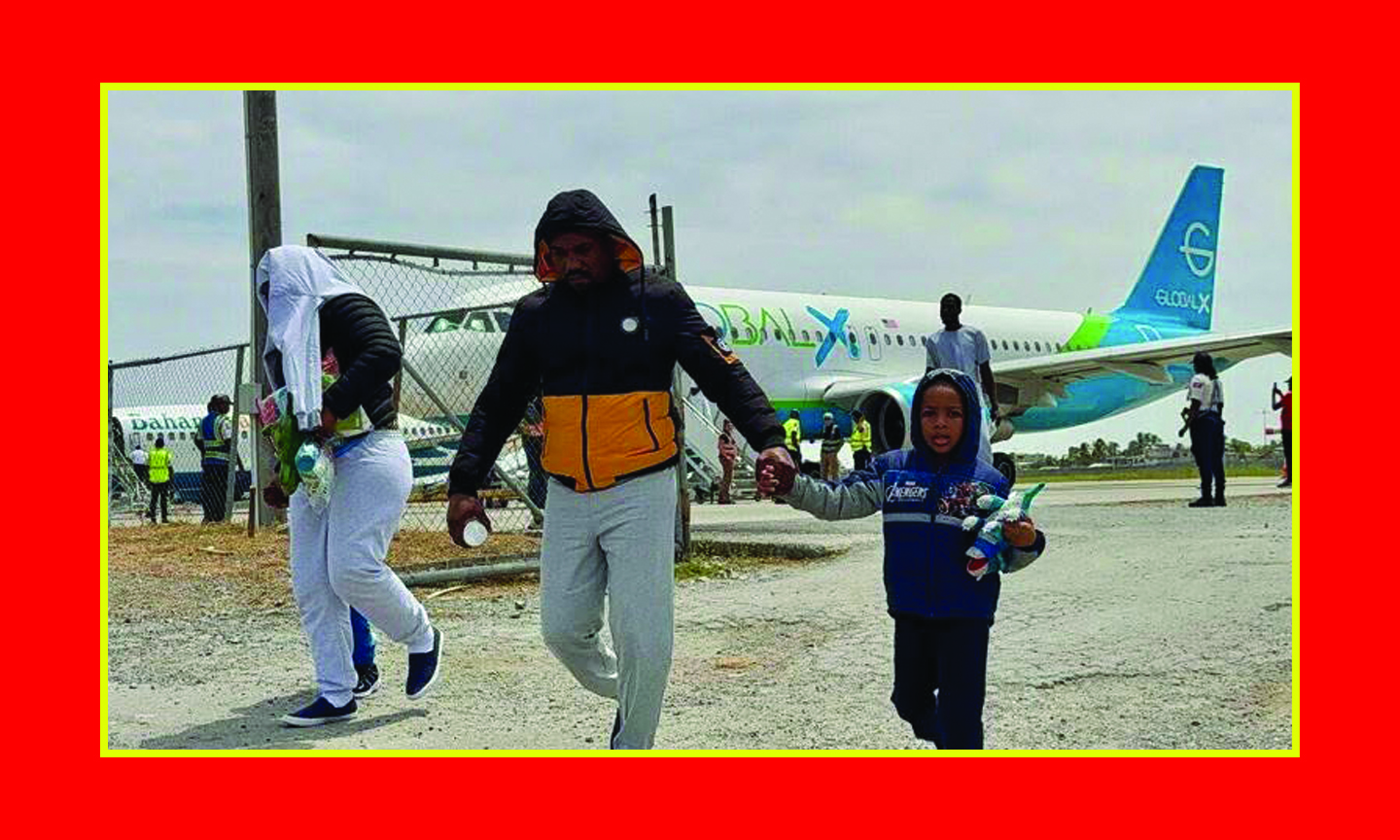
On Thursday, another deportation flight arrived in Haiti carrying approximately 70 migrants from the United States and the Bahamas, just one week after the first U.S. deportation flight following the TPS development.
Returns Increase as Haiti Faces Severe Humanitarian Crisis
The large number of people being returned comes at an especially difficult time for Haiti.
Gang violence has forced approximately 1.47 million people from their homes, while millions more are facing food insecurity. More than 21,000 people have been killed since the beginning of 2022 as armed groups have expanded their influence across Port-au-Prince and other parts of the country.
The security situation deteriorated further following a deadly gang attack in Kenscoff, in the hills outside Port-au-Prince.
UN officials said 47 people were killed, including three boys and two girls. Homes were burned, and some residents attempting to escape were reportedly attacked inside a church.
The massacre prompted Friday’s emergency Security Council meeting.
Carlos Ruiz, head of the United Nations Integrated Office in Haiti (BINUH), warned that the continuing insecurity is also threatening Haiti’s efforts to organize its first national elections in a decade.
International attention is now turning toward strengthening the UN-backed Gang Suppression Force (GSF), which is expected to eventually reach approximately 5,500 personnel.
The Security Council is scheduled to decide at the end of September whether to renew the force’s mandate.
According to Haitian authorities, Chad, Mongolia and Côte d’Ivoire have agreed to support the force, while discussions are underway with Sri Lanka, Bangladesh, Jamaica and Guatemala.
Deportations Add Pressure on an Already Fragile Haiti
The forced return of nearly 200,000 people to Haiti so far this year exposes another dimension of the country’s deepening crisis.
Haiti is receiving a growing number of returnees while simultaneously confronting mass internal displacement, widespread food insecurity and continued armed violence.
The renewed deportation flights from the United States have drawn particular attention following the end of TPS protections for hundreds of thousands of Haitians.
With four months still remaining in 2026, forced returns are already running significantly above last year’s pace, adding to the challenges facing a country struggling with one of the most severe security and humanitarian crises in its recent history.