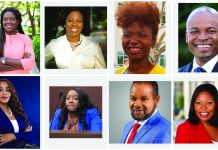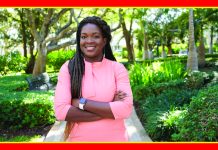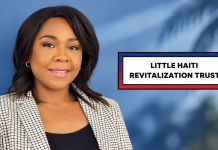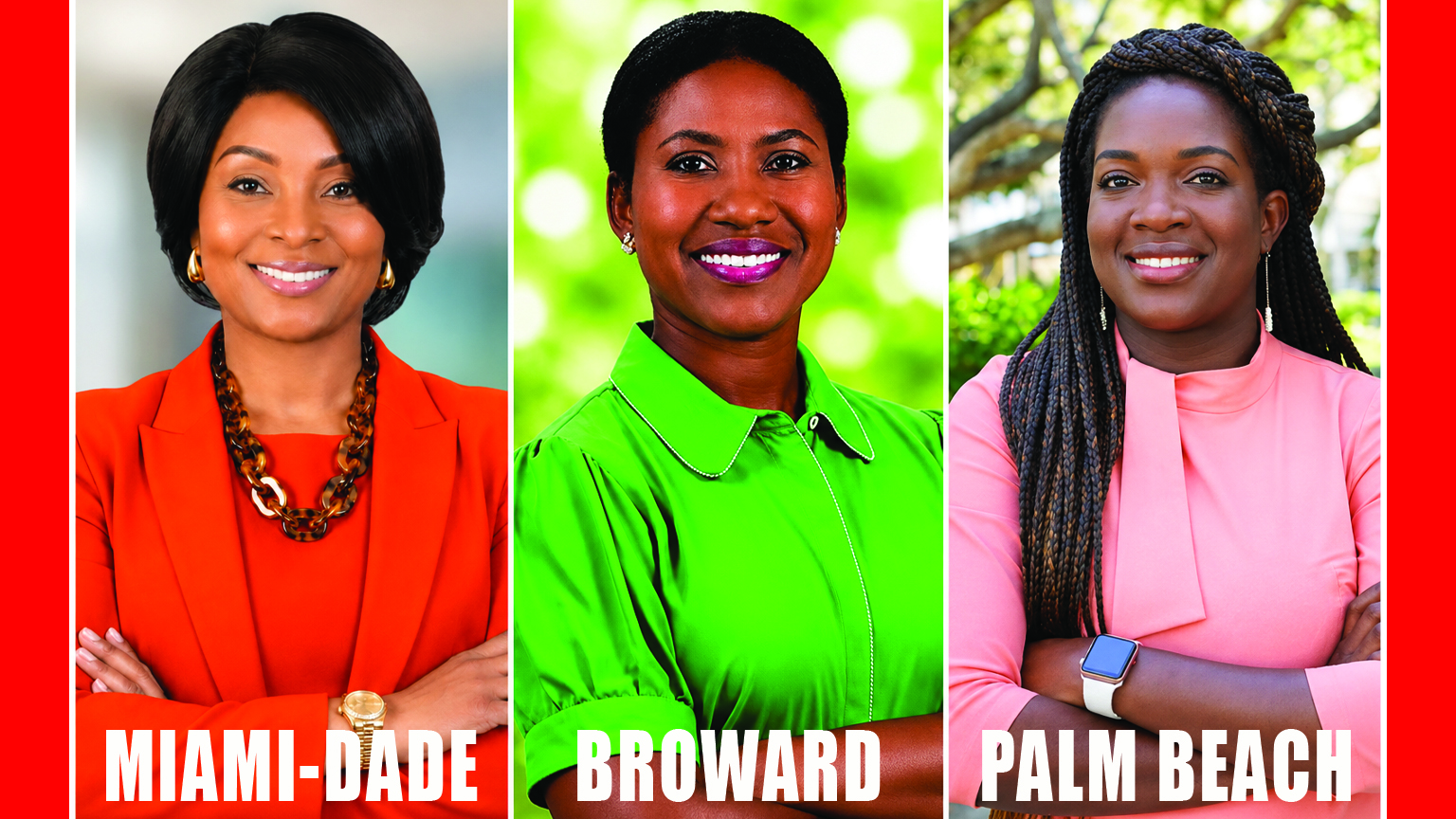
In a remarkable political milestone, three Haitian-American women — Cynthia Alceus Dominique, Linda Cothiere, and Christina Romelus — have secured school board seats across Broward, Miami-Dade, and Palm Beach counties in 2026. Their victories mark a significant chapter in Haitian-American political representation in South Florida, bringing diverse experiences in education, healthcare, military service, and local government to public school leadership. Beyond their personal achievements, these victories offer a source of pride and inspiration for the Haitian diaspora, highlighting the community’s growing influence in shaping educational policies and opportunities for future generations.
By Dessalines Ferdinand | Le Floridien
November 4, 2026
SOUTH FLORIDA (Le Floridien) — At a time when positive and inspiring stories about Haitians, both at home and across the diaspora, can seem increasingly difficult to find, achievements like these deserve to be recognized and celebrated.
Amid the troubling headlines that too often dominate coverage of Haiti and its people, the electoral victories of three Haitian-American women in South Florida offer a refreshing and encouraging narrative, one of determination, public service, and political progress.
Their success is not simply a personal accomplishment. It is also a moment of pride for the Haitian-American community and a powerful reminder that, despite the challenges facing their homeland, Haitians in the diaspora continue to make meaningful contributions to American society.
Cynthia Alceus Dominique in Broward County, Linda Cothiere in Miami-Dade County, and Christina Romelus in Palm Beach County have all secured seats on their respective public school boards in 2026, creating a remarkable moment for Haitian-American representation across South Florida’s three largest counties.
The victories came at different stages of the election cycle. Dominique won her race outright during the August 18 primary, while Cothiere and Romelus secured their seats in the November 3 elections.
What makes their achievements particularly noteworthy is not simply their shared Haitian heritage, but the different personal and professional journeys that brought them to public office.
One is the daughter of a Haitian immigrant mother who never attended school. Another has devoted more than three decades to educating children. The third is a former vice mayor who built a career in healthcare, higher education, and public service.
Together, their stories reflect the determination of Haitian-American women to take on leadership responsibilities in institutions that shape the future of American children.
Cynthia Alceus Dominique: The Daughter of a Haitian Immigrant Who Never Went to School
The first victory came on August 18, when Cynthia Alceus Dominique defeated Rochelle “Shelly” Soffer in the race for Broward County School Board District 7.
Dominique captured approximately 59.7% of the vote, compared with 40.3% for her opponent, securing an outright victory without the need for a November runoff.
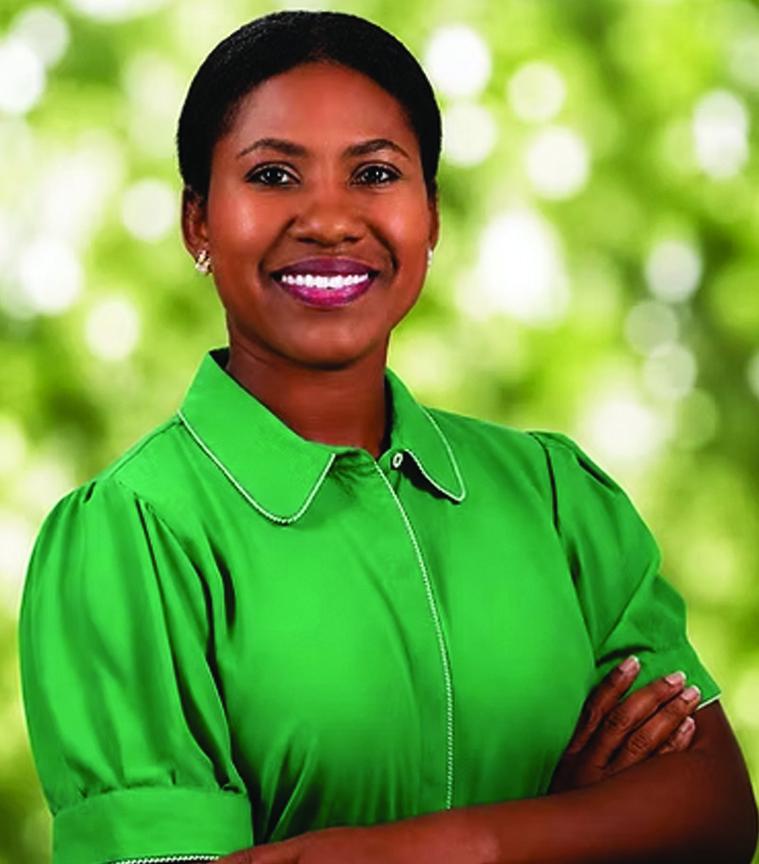
As Le Floridien reported following her election, Dominique’s journey carries a deeply personal connection to the transformative power of education.
She was raised by a Haitian immigrant mother who never had the opportunity to attend school. Her mother could not read the papers her daughter brought home or always help her navigate the educational system.
Yet, despite her lack of formal education, she understood the importance of learning and consistently encouraged her daughter to succeed.
That determination helped shape Dominique’s future.
A Broward County native and graduate of Coconut Creek High School, Dominique pursued higher education and developed a professional career spanning healthcare, teaching, and military service.
She has worked as an advanced-practice registered nurse and nurse educator while serving for more than two decades in the United States Army Reserve.
As a mother of four whose children have attended Broward County Public Schools, she also brings the perspective of a parent directly familiar with the district.
During her campaign, Dominique emphasized school district finances, improved compensation for teachers and support employees, and the need to strengthen educational opportunities.
Cynthia Alceus Dominique’s election marks a historic milestone for Haitian-American representation in Broward County’s public education system. Her victory places a Haitian-American woman on the School Board, bringing the perspective of an immigrant family’s daughter, a healthcare professional, a military veteran, and a mother to one of South Florida’s major educational institutions.
Regardless of that designation, her personal journey offers a particularly moving illustration of educational progress across generations: the daughter of a woman who never attended school will now help oversee the education of thousands of children.
Linda Cothiere: From the Classroom to a Historic Victory in Miami-Dade
In Miami-Dade County, Linda Cothiere achieved a significant political milestone on November 3, defeating former Miami Gardens City Council member Katrina Wilson in the runoff for School Board District 1.
Cothiere received approximately 51.6% of the vote, compared with 48.4% for Wilson, according to election-night reporting.
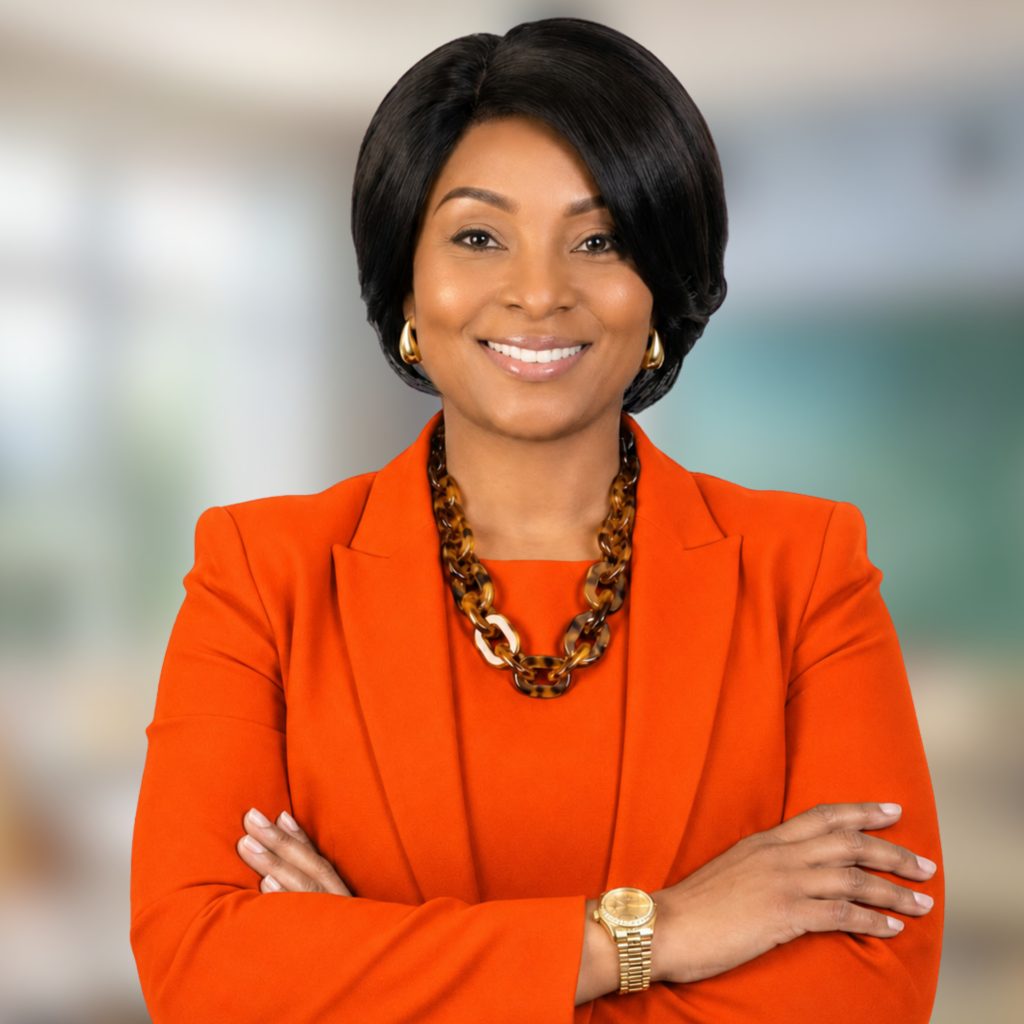
Her victory marks a historic milestone as Linda Cothiere becomes the first Haitian-American elected to the Miami-Dade County School Board, an institution overseeing one of the largest public school districts in the United States.
Her achievement is particularly significant because another prominent Haitian-American community leader had previously sought a seat on the Miami-Dade County School Board without success. Gepsie Morisset-Metellus, co-founder and executive director of the Sant La Haitian Neighborhood Center, ran unsuccessfully for the District 2 seat in 2006.
Two decades later, Cothiere’s victory represents the realization of a political milestone that had eluded earlier Haitian-American candidates.
For Cothiere, 58, the victory represents the culmination of decades spent working within the very educational system she will now help govern.
Born in Haiti and raised in Carol City, Cothiere graduated from Miami Carol City Senior High School before beginning a career in public education.
She started as a paraprofessional and eventually became a classroom teacher, dedicating more than three decades to helping students develop academically and personally.
Most recently, she taught first-grade mathematics, science, and social studies at Phyllis R. Miller Elementary School.
Unlike many candidates whose political careers begin in city government or administrative positions, Cothiere entered the school board race with extensive firsthand classroom experience.
Her campaign emphasized early childhood education, parental involvement, stronger support for teachers, and improving educational opportunities.
Her path to victory was not easy.
During the August primary, Wilson finished first in an eight-candidate field with approximately 33% of the vote, while Cothiere received about 21%.
Wilson also enjoyed the endorsement of former School Board member Steve Gallon III, whose departure from the seat created the vacancy.
Financially, Wilson held an advantage, raising approximately $92,905 compared with $54,510 for Cothiere.
Nevertheless, Cothiere overcame those disadvantages and won the November runoff.
For Haitian-American families throughout northern Miami-Dade, including communities in Miami Gardens, North Miami, North Miami Beach, and surrounding areas, her election carries considerable symbolic importance.
Her victory also illustrates that candidates with longstanding professional experience and strong community connections can remain competitive even when facing better-funded opponents.
Cothiere’s achievement places a Haitian-born educator on the Miami-Dade School Board, bringing a new perspective shaped by decades of experience working directly with students and families.
Christina Romelus: From Boynton Beach Vice Mayor to Palm Beach County School Board
The third victory came in Palm Beach County, where Christina Romelus defeated Daniel Zapata in the November 3 runoff for School Board District 4.
Romelus received approximately 62% of the vote, compared with 38% for her opponent, securing her return to elected office.
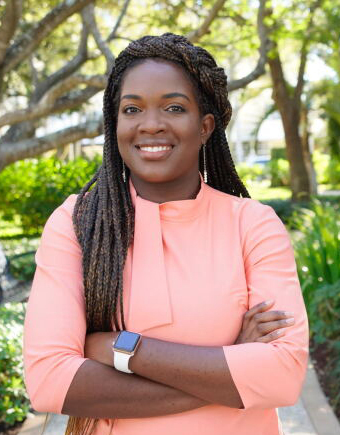
Just days earlier, on October 29, Le Floridien had published an article asking whether Romelus could become the first Haitian-American elected to the Palm Beach County School Board.
The November 3 results answered the electoral question with a decisive victory, although the historical first designation still requires a comprehensive review of past board membership.
Born in Port-au-Prince, Haiti, and raised in Palm Beach County, Romelus is no newcomer to public service.
In 2016, she became the youngest person elected to the Boynton Beach City Commission and subsequently served as the city’s vice mayor during her six years in municipal government.
Before entering politics, Romelus worked as a nurse and taught anatomy and physiology at Palm Beach State College.
She later established PolitiCALM, a consulting firm focused on government affairs, policy, and leadership development.
Her political and professional experience distinguished her in the race for the District 4 school board seat, which became open after longtime board member Erica Whitfield moved on to the Palm Beach County Commission.
Romelus led the August 18 primary with approximately 40.6% of the vote, while Zapata finished second with 26.7%. Neither candidate obtained an outright majority, forcing the November runoff.
Throughout her campaign, Romelus emphasized improving student reading proficiency, building partnerships between schools and local businesses, and preparing students for careers and opportunities after graduation.
As the mother of two children attending Palm Beach County public schools, she also highlighted her personal connection to the challenges facing students, parents, and educators.
Her election represents another step in the growing involvement of Haitian Americans in Palm Beach County government.
While Haitian-American politicians have previously served in municipal offices and on the Palm Beach County Commission, Romelus’ election extends that representation into the leadership of the public school system.
For a woman who arrived in the United States as part of a Haitian immigrant family and later became one of Boynton Beach’s youngest elected officials, the school board victory marks another chapter in an already established career in public service.
Beyond Politics: A New Chapter for Haitian-American Representation
The elections of Dominique, Cothiere, and Romelus mark an important milestone for Haitian-American representation in South Florida’s public education system.
While Haitian Americans have established a growing presence in municipal, county, and state government, these victories extend that influence to school boards across Broward, Miami-Dade, and Palm Beach counties — three counties with substantial Haitian-American populations.
School board members oversee critical decisions involving budgets, educational policies, teacher compensation, and student achievement. Their responsibilities extend beyond their own communities, serving students and families of all backgrounds.
Although these victories deserve celebration, their lasting significance will depend on how effectively the three women address challenges such as school funding, teacher retention, declining enrollment, and academic performance.
A Moment Worth Celebrating — and a Responsibility to Fulfill
Who would have imagined that three Haitian-American women would secure seats on the school boards of South Florida’s three largest counties in the same election year? Cynthia Alceus Dominique in Broward County, Linda Cothiere in Miami-Dade County, and Christina Romelus in Palm Beach County have achieved a remarkable milestone for Haitian-American representation.
Their journeys are equally inspiring: Dominique, the daughter of an immigrant mother who never attended school; Cothiere, a longtime classroom teacher; and Romelus, a former vice mayor — each bringing a different perspective to educational leadership.
For younger Haitian Americans, their achievements demonstrate that dedication, perseverance, and public service can open doors to positions of influence and responsibility.
Yet winning an election is only the beginning. Their lasting legacy will depend on the decisions they make and the opportunities they help create for future generations.
Three Haitian-American women. Three South Florida counties. Three seats at the table where decisions about children’s educational futures are made.
A remarkable milestone for Haitian-American representation — and the beginning of a new chapter in public service.