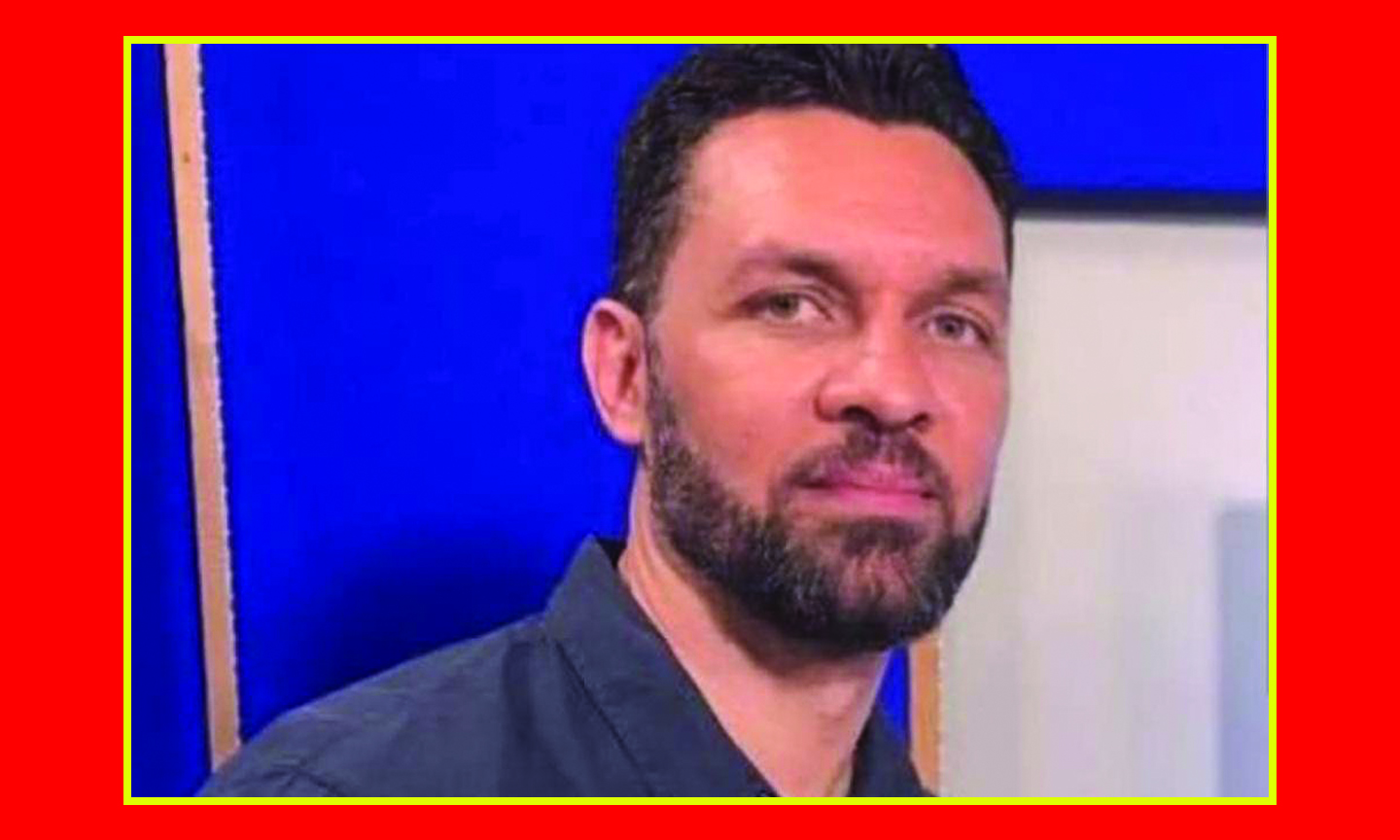
By Le Floridien Staff
MIAMI — Prominent Haitian businessman Dimitri Vorbe has been released from U.S. immigration detention after spending nearly 11 months in custody, bringing an important turn in a closely watched immigration battle that has raised questions about detention authority, U.S. foreign-policy powers and the government’s allegations against one of Haiti’s best-known businessmen.
Vorbe was released Tuesday, August 25, 2026, shortly before a proceeding concerning his release on bond, according to Le Nouvelliste, which cited his brother, Joël Vorbe. The businessman was able to return to his family following his release and is expected to leave the United States in the coming days under an arrangement reached with U.S. authorities.
His release comes just over a week after U.S. District Judge Darrin P. Gayles issued a significant ruling in Vorbe’s federal habeas corpus case in Miami.
The August 17 order rejected the government’s position that Vorbe fell under a category requiring mandatory immigration detention. Gayles determined that Vorbe was instead being detained under a provision of federal law that permits an individualized bond determination. The judge ordered authorities to provide him with such a hearing by August 24 or release him under reasonable conditions of supervision.
The federal court also ordered the government to submit a status report by August 31 detailing whether the individualized bond hearing occurred, its outcome and other developments relevant to Vorbe’s habeas petition.
From Arrest in South Miami to a Federal Court Fight
Vorbe’s latest detention began on September 23, 2025, when U.S. Immigration and Customs Enforcement agents took him into custody outside his South Miami residence.
The case quickly attracted attention because of the unusual legal grounds used by the U.S. government in seeking his removal.
Secretary of State Marco Rubio determined that Vorbe’s presence in the United States could have serious adverse foreign-policy consequences. According to court-related reporting, Rubio accused Vorbe of having engaged in violence and support for gangs that contributed to Haiti’s destabilization. Vorbe has contested the government’s case against him.
The government subsequently argued that Vorbe could be held in mandatory immigration detention without an individualized bond hearing.
Judge Gayles disagreed.
In his August 17 ruling, Gayles concluded that Vorbe’s detention fell under 8 U.S.C. §1226(a) rather than the mandatory-detention provision of §1226(c). The distinction was crucial because §1226(a) allows for an individualized determination over whether an immigrant may be released while immigration proceedings continue.
The judge therefore granted Vorbe’s habeas petition in part and ordered the government to provide the bond hearing or release him under reasonable supervision conditions.
However, the ruling did not invalidate Secretary Rubio’s foreign-policy determination, nor did it terminate the government’s effort to remove Vorbe from the United States. The decision focused on whether the government had legal authority to continue holding him under mandatory detention without an individualized bond process.
Vorbe’s detention had already generated controversy earlier this year when he was transferred from South Florida to Mississippi. His attorneys challenged aspects of the government’s handling of his custody as the legal battle continued.
Before his arrest, Vorbe had long been a prominent figure in Haiti’s business sector. His family is associated with SOGENER (Société Générale d’Énergie S.A.), one of the private electricity companies that supplied power to Haiti.
The Vorbe family became embroiled in a major dispute with the administration of former Haitian President Jovenel Moïse over electricity contracts and payments. That confrontation elevated Dimitri Vorbe’s profile beyond the business community and made him a controversial figure in Haiti’s political and economic landscape.
Released — But Expected to Leave the United States
Vorbe’s release does not necessarily mean the end of his immigration case.
According to Le Nouvelliste, Joël Vorbe said his brother reached an understanding under which he would leave the United States in the coming days.
“He will leave the USA in the coming days. He will not stay there,” Joël Vorbe told the newspaper, while emphasizing that the immediate priority was that his brother had been freed and reunited with his family.
As of Wednesday morning, publicly available reporting had not established where Vorbe intends to go after leaving the United States.
That question is particularly noteworthy because an earlier effort to send him to the Dominican Republic reportedly encountered difficulties after Dominican authorities would not accept him.
For that reason, it would be premature to conclude that Vorbe is returning to Haiti unless his family, attorneys or U.S. authorities confirm his destination.
His release nevertheless represents a major change after almost 11 months in immigration custody.
It is also important to distinguish between release from detention and resolution of the underlying immigration proceedings. Judge Gayles did not rule that Vorbe has a right to remain permanently in the United States. Instead, the court concluded that the government could not continue treating him as subject to mandatory detention under the statutory provision it had invoked without providing the individualized process required by law.
The next significant date could be August 31, when federal authorities are required to report back to Judge Gayles regarding compliance with his order and the status of matters related to Vorbe’s habeas petition.
Until then, several questions remain unanswered: What precisely are the conditions attached to Vorbe’s release? Where will he go after leaving the United States? And what will become of the government’s underlying immigration case against him?
For now, one fact is clear: after nearly 11 months behind bars in U.S. immigration custody, Dimitri Vorbe is free and back with his family — but his immigration saga may not yet be over.