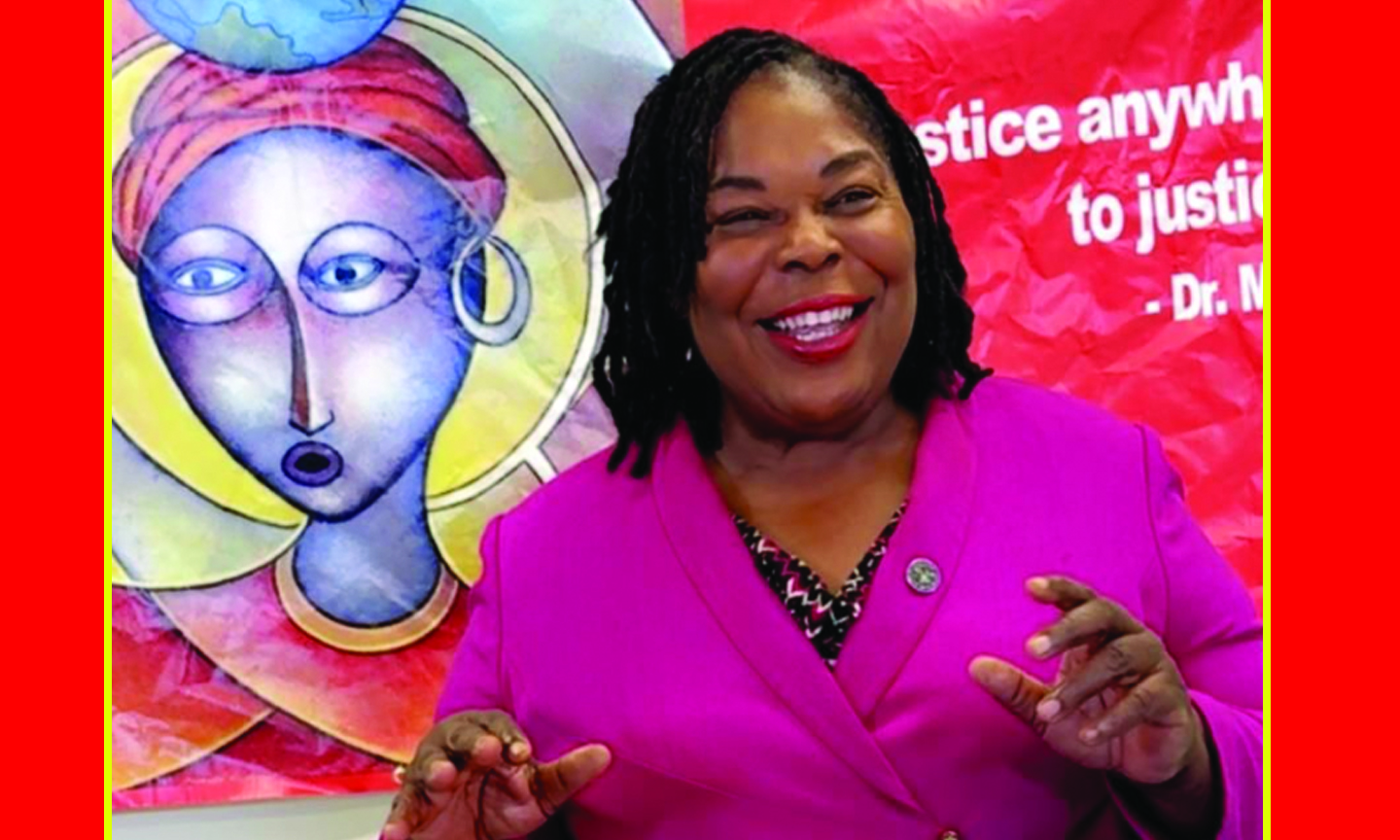
Daphne Durand Campbell’s District 108 victory represents more than a political comeback. Despite influential Haitian-American political and media figures supporting her younger rival, voters chose Campbell, raising important questions about political elitism, generational change, respectability politics, and who truly defines leadership within the Haitian-American community.
By Dessalines Ferdinand | Analysis
Former Florida State Senator Daphne Campbell’s victory in the Democratic primary for Florida House District 108 represents more than a political comeback. It sends a message about the limits of endorsements, organized political influence and the ability of any group of leaders to determine whom Haitian-American voters should support.
Campbell entered the race carrying political baggage, but also something her opponents could not match: extensive legislative experience. She represented House District 108 from 2010 to 2016 before winning election to the Florida Senate, becoming the first Haitian-American elected to that chamber.
Yet during the 2026 campaign, several influential Haitian-American political figures rallied behind Campbell’s principal opponent, Dinah Escarment, who presented herself as part of a new generation of leadership.
Escarment, vice president of the Miami-Dade Democratic Haitian Caucus, received the endorsement of outgoing District 108 Representative Dotie Joseph and North Miami Mayor Alix Desulme. According to reliable sources, other prominent political and media figures also supported her, including former Miami-Dade Commissioner Jean Monestime, former North Miami Mayor Andre Pierre, radio personality Lesly Prudent and former candidate Naomi Blemur.
Taken together, the endorsements created the impression that a significant portion of South Florida’s Haitian-American political establishment was ready to turn the page on Campbell.
The voters had a different answer.
A Record That Could Not Simply Be Erased
Whatever one thinks of Campbell — and her political career has certainly included controversies — her record in Tallahassee cannot simply be dismissed.
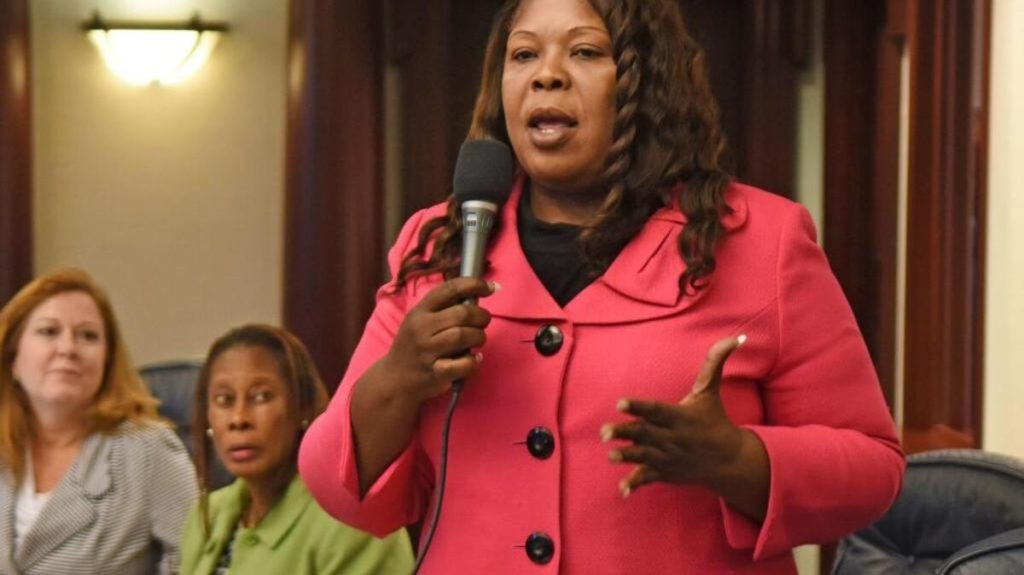
Campbell served three terms in the Florida House before moving to the Senate. In 2016, she won a crowded Democratic primary and later defeated former state Representative Philip Brutus, becoming Florida’s first Haitian-American state senator.
That achievement was significant for a community that had spent decades trying to build political representation in Florida.
During her legislative career, Campbell advocated on healthcare, education and issues affecting Haitian immigrants. She also chaired the Haitian Temporary Relief Task Force and was active in seeking state funding for programs and projects benefiting her district.
Yet Campbell has often been scrutinized as much for her accent, manner of speaking, appearance and public presentation as for her legislative record.
That raises an uncomfortable question for the Haitian-American community: Are some political pioneers being judged according to an image of what a successful politician is supposed to look and sound like rather than primarily by what they accomplished?
The issue extends beyond Campbell.
Philippe Derose, who made history in 1993 as the first Haitian-American elected to public office in the United States, also endured stereotypes and ridicule. More recently, some questioned whether longtime community activist Marleine Bastien fit the conventional profile of an elected official when she ran for the Miami-Dade County Commission in 2022. Voters ultimately elected her.
These examples raise a larger question: Who gets to decide what Haitian-American leadership should look like?
Endorsements Do Not Own the Electorate
Political endorsements matter. Elected officials, organizations and political networks can provide candidates with credibility, money, volunteers and access.
But they do not own voters.
Campbell’s victory is a reminder that Haitian-American voters are not a monolithic bloc. They can respect political leaders, listen to their recommendations — and still reject their preferred candidate.
There is nothing wrong with generational change. Haitian-American politics needs younger candidates, new ideas and emerging leaders. But generational change must ultimately be earned at the ballot box.
Campbell also had to overcome her own history. After leaving the Senate, she suffered electoral defeats and made unsuccessful attempts to return to office. Voters were therefore familiar with both her accomplishments and her shortcomings.
Yet they chose her again.
That makes this victory difficult to dismiss simply as nostalgia.
Respect the Past While Building the Future
Every growing immigrant community eventually develops a political establishment. Leaders emerge, organizations gain influence and endorsement networks take shape.
There is nothing inherently wrong with that.
The danger begins when influence is confused with ownership.
Haitian-American elected officials and organizations had every right to support Dinah Escarment and oppose Campbell. But District 108 voters had an equal right to reject their recommendation.
There should be room in Haitian-American politics for both generations — younger candidates bringing fresh ideas and experienced leaders whose institutional knowledge can still benefit the community.
The mistake is believing that one generation must diminish the accomplishments of another in order to move forward.
Campbell helped break an important political barrier when she became Florida’s first Haitian-American state senator. A decade later, voters have given her another opportunity.
Political leaders can endorse. Organizations can organize. Influential voices can recommend.
But on Election Day, they do not have the final word.
The voters do.
And this time, they chose Daphne Campbell.
Dessalines Ferdinand is the Publisher and Chief Editor of Le Floridien. A media professional with more than 35 years of experience, he has closely observed and covered Haitian-American politics in South Florida for nearly three decades.