Political Advertising on Haitian Radio: When Campaign Promotion Crosses the Line Into Misinformation

As election campaigns intensify, questions arise about the responsibility of radio advertisers and political commentators who promote candidates through exaggerated or unverified claims. By Dessalines Ferdinand | Le Floridien MIAMI, FL (Le Floridien) — In South Florida's Haitian-American community, radio remains an influential platform for political communication. During election season, candidates turn to local stations and radio personalities to promote their campaigns, highlight their accomplishments, and persuade voters to support them. Political advertising is a legitimate part of the democratic process. But an important ethical question arises when individuals producing or delivering campaign messages present questionable claims as established facts, exaggerate candidates' accomplishments, or make accusations against opponents without providing credible evidence. The concern is not that radio publicists openly support political candidates. They have every right to do so. The problem begins when political promotion blurs the distinction between persuasion and factual information. When Political Promotion Becomes Misleading Some campaign advertisements rely on enthusiastic language, presenting candidates as exceptional leaders, proven problem-solvers, or indispensable figures in their communities. Such descriptions are often expressions of political opinion. However, claims involving specific accomplishments, public spending, criminal allegations, or an opponent's record require a different level of scrutiny. A candidate may legitimately claim credit for supporting a project, for example, but that does not necessarily mean the candidate initiated, financed, or completed it. Similarly, criticizing an opponent's policies is different from making accusations that cannot be substantiated. For listeners who rely heavily on local radio for political information, these distinctions matter. Repeating an unverified claim with confidence does not transform it into a fact. And broadcasting a political message repeatedly does not make its content more credible. Radio Publicists Have an Ethical Responsibility Radio personalities who produce political advertisements occupy an important position within the electoral process. Their voices may be familiar to listeners who have followed their programs for years. That familiarity can create a degree of public trust, particularly when advertising messages are delivered in the same authoritative tone used for news or community commentary. This raises an important question: Should a radio professional accept a political claim simply because a candidate or campaign is paying to broadcast it? Professional responsibility requires a distinction between promoting a candidate's political message and presenting disputed assertions as verified information. The Society of Professional Journalists' Code of Ethics emphasizes accuracy, verification, and the separation of news from advertising. Although political advertisers are not necessarily acting as independent journalists, those who also work as radio hosts, commentators, or news presenters face an especially important responsibility to avoid confusing paid advocacy with factual reporting. Accepting payment to produce a campaign advertisement does not eliminate the need for professional judgment. The Difference Between Advertising and Journalism Political candidates have the right to advocate for themselves and criticize their opponents. Campaign advertisements are inherently persuasive and should not be confused with independent news reporting. Federal election rules also require applicable political radio advertisements to identify their sponsors and, in certain cases, the individuals responsible for approving their content. These requirements promote transparency, but sponsorship identification alone does not establish that an advertisement's claims are accurate. There is also an important legal distinction: broadcast stations are subject to special federal rules governing candidate advertisements, and their ability to edit or reject certain legally protected candidate messages is limited. Nevertheless, political campaigns, advertising producers, and commentators can exercise greater care in the claims they originate, write, or personally endorse. A professional who lends a trusted voice to a campaign message should recognize that listeners may give those words considerable weight. Voters Deserve Facts, Not Manufactured Accomplishments In local elections, where voters may have limited access to detailed information about candidates, misleading advertising can be particularly consequential. A candidate's record should be evaluated through documented accomplishments, public records, policy positions, and verifiable statements—not exaggerated praise or unsupported attacks. This applies equally to every candidate, regardless of political affiliation, cultural background, or personal relationships with radio personalities. Political advertising should contribute to informed electoral choices rather than create confusion about what candidates have actually accomplished. Listeners also have a responsibility to distinguish paid political messages from independently verified reporting and to question extraordinary claims that lack supporting evidence. Protecting the Credibility of Haitian-American Radio Haitian-language radio has long served as an important source of information, cultural connection, and public debate in South Florida. Its credibility is an asset that deserves protection. Radio professionals who participate in political advertising should recognize that their reputation extends beyond any single campaign. Listeners may continue to associate their voices with the accuracy—or inaccuracy—of messages delivered during election season. The broader issue is not whether radio personalities should participate in political campaigns. It is whether their participation respects the public's right to reliable information. There is nothing inherently improper about being paid to promote a political candidate. But payment should never become a reason to present unsupported allegations as facts or invent accomplishments that public records cannot substantiate. Election campaigns eventually end. The credibility of those who inform the public should endure long afterward. For Haitian-American radio professionals, the challenge is therefore straightforward: distinguish promotion from reporting, verify factual claims before personally endorsing them, and remember that public trust is more valuable than any political advertising contract. Because voters deserve to be persuaded by credible information, not misled by claims that cannot withstand scrutiny. Dessalines Ferdinand is the chief editor of Le Floridien, with more than 30 years of experience covering the Haitian-American community in South Florida.
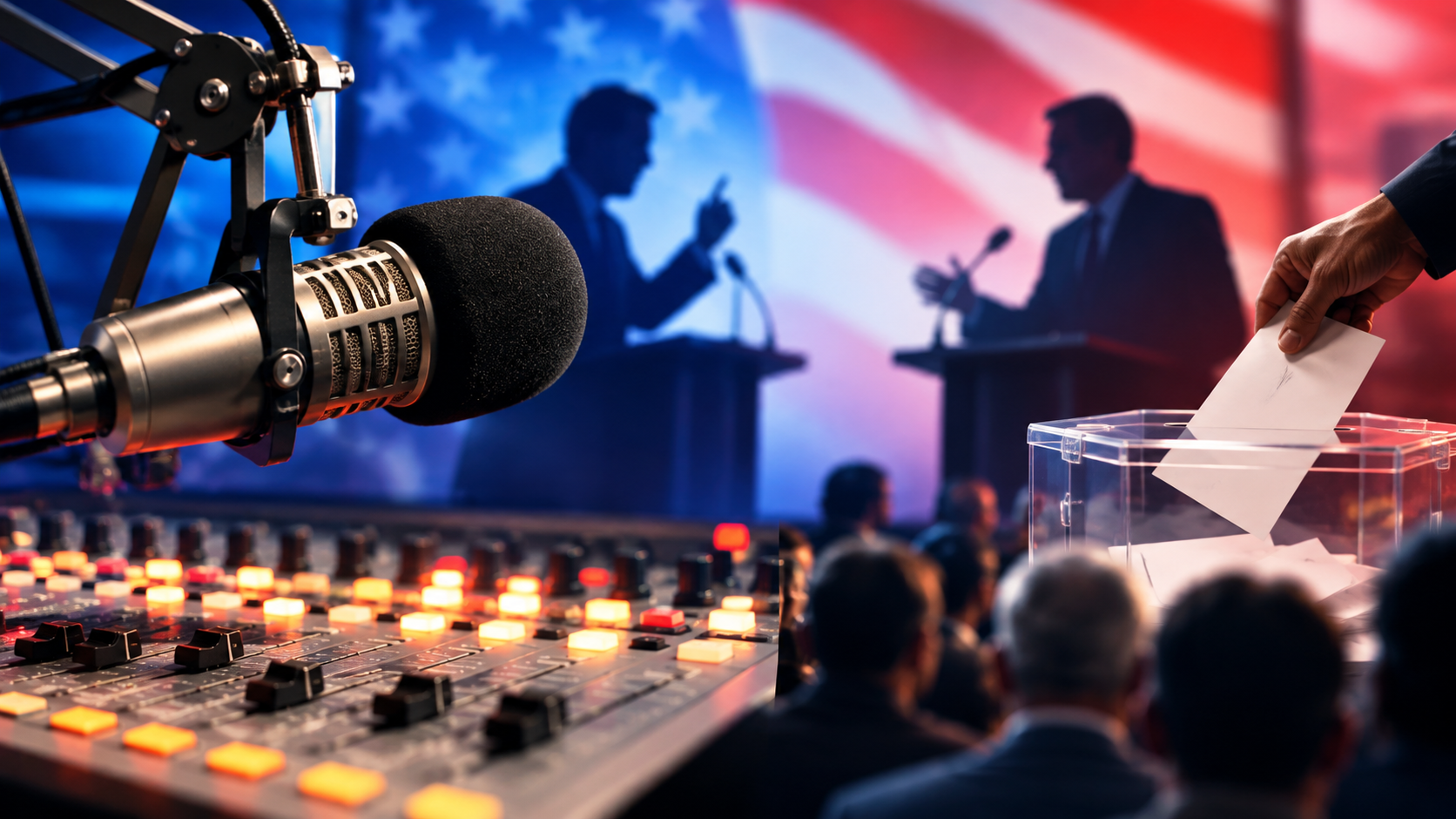
Illustration of the growing concern over political advertising on community radio, where campaign messages can blur the line between persuasion and verified information.

As election campaigns intensify, the growing use of exaggerated or unverified claims in political radio advertisements raises serious concerns about professional ethics, credibility, and responsibility to voters. In South Florida’s Haitian-American community, where radio personalities often enjoy longstanding public trust, the distinction between paid political promotion and factual reporting becomes especially important. When respected broadcasters lend their voices to questionable campaign claims without verifying them, they risk misleading voters and undermining the credibility they have spent years building.


By Wesley Laurent | Special to Le Floridien

MIAMI, FL (Le Floridien) — In South Florida’s Haitian-American community, radio remains an influential platform for political communication. During election season, candidates rely on local stations and radio personalities to promote their campaigns, highlight their accomplishments, and persuade voters.

Political advertising is a legitimate part of the democratic process. Ethical concerns arise, however, when campaign messages exaggerate candidates’ achievements, present unverified claims as facts, or make unsupported accusations against political opponents.

The issue is not whether radio publicists have the right to support candidates. They do. The concern is whether political promotion is being presented in ways that mislead listeners.

When Political Promotion Becomes Misleading

Campaign advertisements often portray candidates as exceptional leaders, effective problem-solvers, or indispensable figures in their communities. While such descriptions generally represent political opinions, claims about specific accomplishments, public spending, or an opponent’s conduct require factual support.

A candidate may legitimately take credit for supporting a public project, but that does not necessarily mean the candidate initiated, financed, or completed it. Likewise, criticizing an opponent’s policies is fundamentally different from making allegations without credible evidence.

For voters who depend on local radio for political information, these distinctions are essential.

Repeating an unverified claim with confidence does not make it factual, regardless of how frequently the message is broadcast.

Radio Publicists Have an Ethical Responsibility

It is understandable for a radio station to air a paid political advertisement submitted by a candidate’s campaign, which bears responsibility for its content. However, a different ethical consideration arises when a radio personality personally lends his or her voice and reputation to promote accomplishments without verifying the underlying claims.

Longtime listeners may interpret statements delivered by a familiar, trusted broadcaster as credible information rather than paid political advocacy.

A responsible radio publicist should request supporting documentation before personally presenting claims about completed projects, public investments, or other achievements as established facts. Repeating unsupported campaign assertions in exchange for payment risks undermining professional credibility.

Broadcasting a campaign’s advertisement is not the same as personally vouching for its claims. Political advertising is a legitimate business activity, but professional credibility should never be for sale.

The Difference Between Advertising and Journalism

Candidates have the right to promote their records and criticize opponents. However, a clear distinction must be maintained between political advertising, which seeks to persuade voters, and independent journalism, which is expected to inform the public through accurate, verified information.

Applicable federal election rules require certain political radio advertisements to identify their sponsors and include appropriate disclosures. Such transparency, however, does not guarantee the accuracy of their content.

Broadcast stations are also subject to federal regulations that limit their ability to censor certain legally protected candidate advertisements. This makes it essential to distinguish the responsibilities of campaigns from those of broadcasters and individuals who personally produce or endorse political messages.

While political advertisers are not necessarily journalists, radio personalities who also serve as news presenters, hosts, or commentators have a particular responsibility to distinguish paid political advocacy from independent reporting. Their professional credibility should not be used to give unverified campaign claims the appearance of journalistic authority.

Voters Deserve Facts, Not Manufactured Accomplishments

In local elections, where detailed information about candidates may be difficult to obtain, misleading advertising can have significant consequences.

Voters deserve to evaluate candidates through documented achievements, public records, policy positions, and verifiable statements—not inflated praise or unfounded attacks.

This principle applies equally to every candidate, regardless of political affiliation, cultural background, or personal relationships with media personalities.

Listeners should also recognize the difference between a paid campaign message and independently verified reporting, particularly when advertisements make extraordinary claims without supporting evidence.

Protecting the Credibility of Haitian-American Radio

Haitian-language radio has long played an important role in South Florida, providing news, cultural programming, and a forum for community discussion. The trust cultivated over decades deserves careful protection.

For radio personalities involved in political advertising, professional reputation extends beyond any individual campaign. The credibility of their voices can be affected by the accuracy of the messages they choose to deliver.

Election campaigns come and go, but the responsibility to maintain public trust remains.

Radio professionals should not allow financial compensation or political relationships to compromise their judgment when presenting factual claims to the public.

Ultimately, the issue is not whether broadcasters should participate in political advertising, but whether they can do so without sacrificing the credibility their audiences have placed in them.

Voters deserve political messages grounded in verifiable facts, not exaggerated achievements or unsupported allegations disguised as credible information.


Wesley Laurent, CPA, CIA, MBA, is a longtime South Florida resident, financial professional, and political observer.


(Visited 2 times, 5 visits today)

LEAVE A REPLY

Please enter your comment!
Please enter your name here