SPRINGFIELD, Ohio (LE FLORIDIEN) — Religious, community, and legal leaders in Springfield are urging the U.S. Supreme Court to take into account the human, economic, and social consequences of ending Temporary Protected Status (TPS) for Haitians, in a move that could help strengthen the case for keeping the program in place while the legal battle continues.
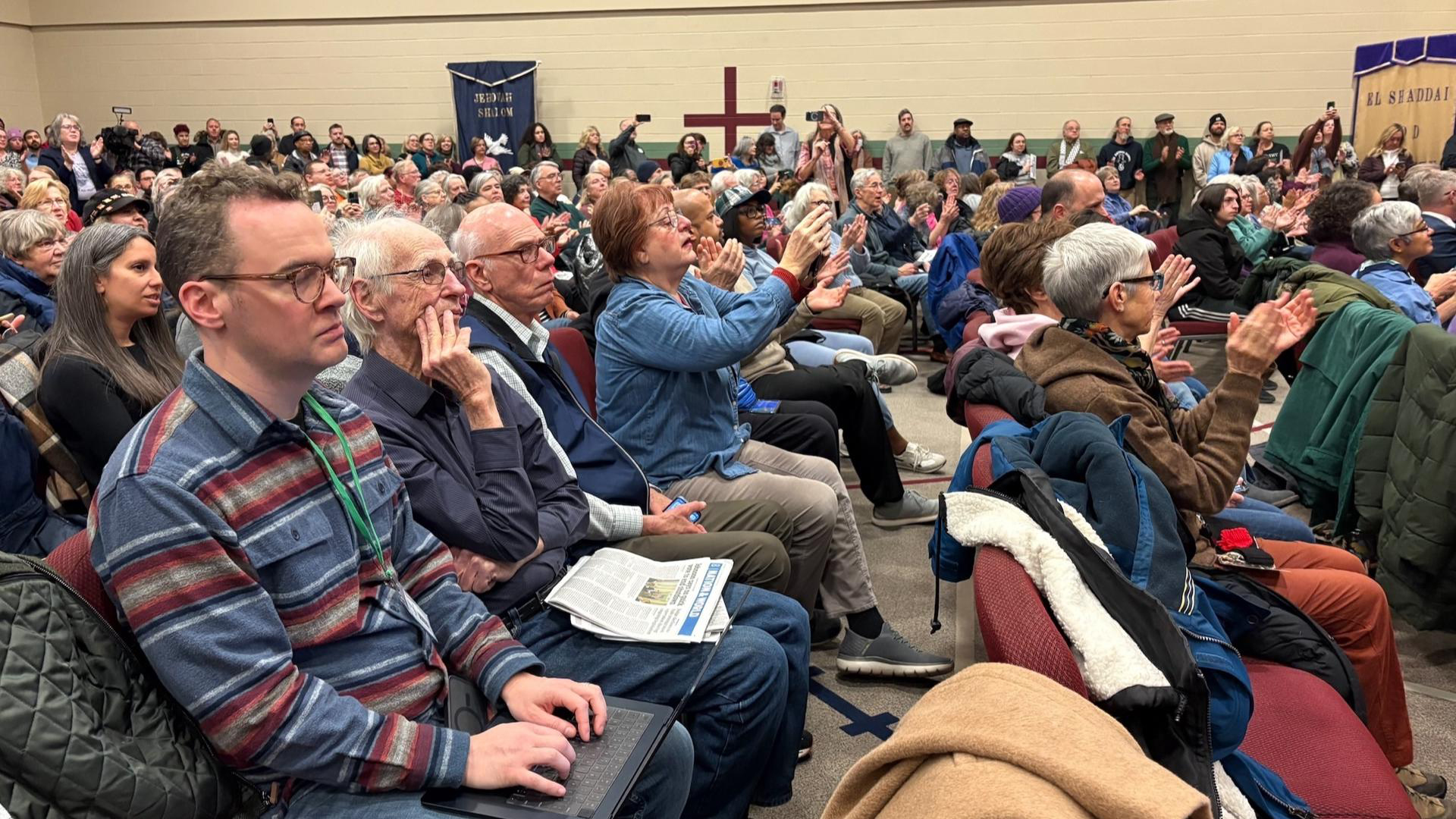
In a brief filed before the high court and during a Monday press conference, local advocates argued that Haitian TPS holders have become an important part of Springfield’s recent revival. According to them, Haitian workers and their families have helped expand the labor force, increase tax revenue, support local businesses, strengthen churches, and boost enrollment in local schools. Their message was clear: the debate over Haiti TPS is not only about immigration policy in Washington, but also about what could happen to communities across the United States if these protections are suddenly stripped away.
For Springfield leaders, ending Haiti’s TPS without considering those local realities would be a mistake with far-reaching consequences. They say the administration’s push to terminate the program overlooks the fact that Haitian nationals have contributed in meaningful ways to the city’s economic and social stability. In their view, removing them would not only put immigrant families at risk, but would also hurt the very American communities where they live and work.
Advocates emphasized that Springfield is one example of how Haitian TPS holders have become woven into the fabric of local life. They say these residents are not living on the margins, but are active participants in the workforce, in churches, in schools, and in neighborhood life. That is one reason local leaders want the Supreme Court to look beyond the narrow legal arguments and consider the broader impact of its decision.
Speakers also stressed that Haiti remains far too dangerous for deportations, pointing to the U.S. State Department’s Do Not Travel advisory because of widespread violence, kidnappings, and instability. For them, the danger is not theoretical. They warned that forcing thousands of Haitians to return to such conditions could expose families to serious harm while also creating disruption in American cities that have come to depend on Haitian workers and families.
Community advocates also raised concerns about family separation. They warned that if TPS protections are lifted, some parents could be deported while their U.S.-born children remain behind, creating painful and destabilizing situations for both families and local institutions. Churches, schools, and service organizations in places like Springfield, they argued, would feel those effects immediately.
Their message to the Supreme Court was direct: before allowing the Trump administration to move forward with ending Haiti TPS, the justices should weigh not only the legal claims presented by the federal government, but also the real-life consequences such a decision would have on the ground. For these leaders, this is not simply a legal dispute. It is a question that touches workers, families, employers, congregations, and entire neighborhoods.
For Haitian TPS holders, the support coming from Springfield represents an important boost at a critical moment. It reinforces the argument that preserving TPS is not only about the deepening crisis in Haiti, but also about protecting American communities that would face economic, social, and humanitarian consequences if the program were allowed to end abruptly.
In that sense, the voices rising from Springfield may play somewhat in favor of Haitian TPS beneficiaries. By highlighting the visible contributions Haitians have made in one American city, local leaders are giving the Supreme Court another reason to proceed cautiously before clearing the way for the program’s termination.