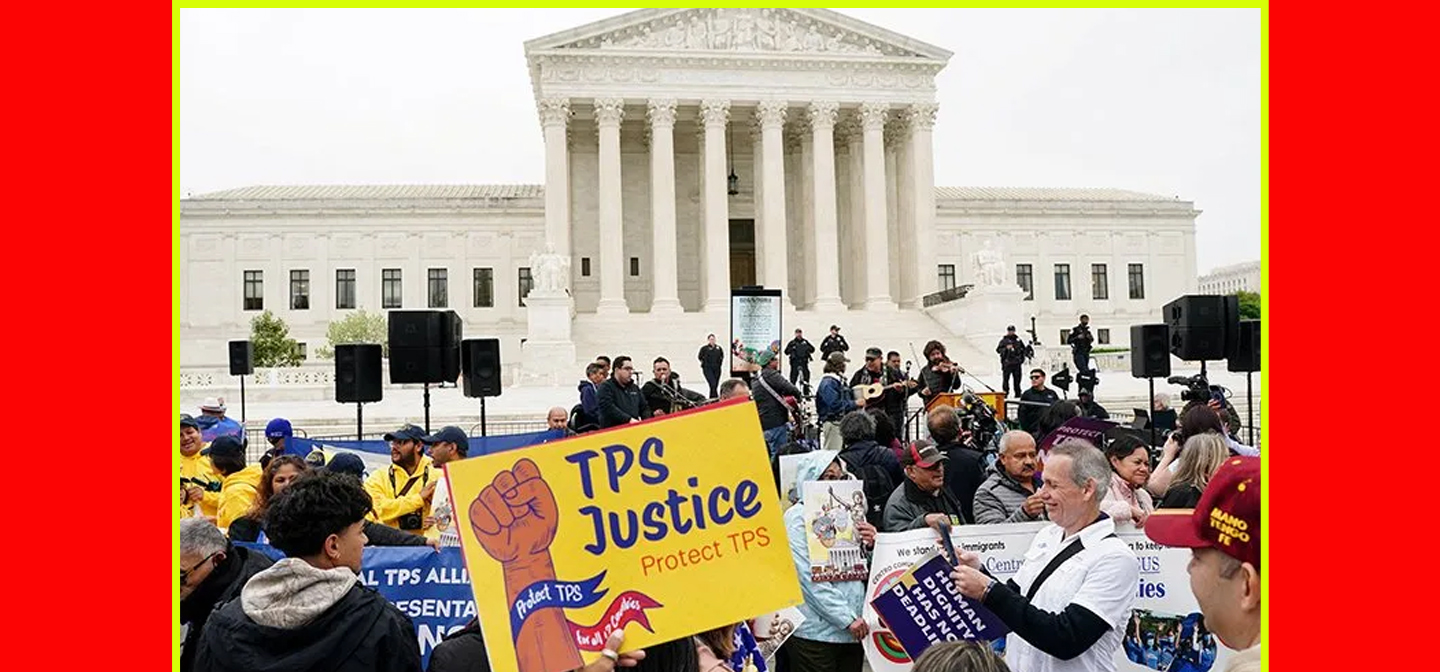
WASHINGTON — The U.S. Supreme Court heard arguments Wednesday in a closely watched immigration case involving the Trump administration’s effort to terminate Temporary Protected Status for Haitians and Syrians. However, no final decision was issued, meaning Haitian TPS protections remain in effect for now while the justices deliberate.
The case has drawn major attention in Haitian communities across the United States, particularly in South Florida, Georgia, New York, Boston and other areas where many Haitian TPS holders have lived, worked and raised families for years.
What Happened at the Supreme Court?
During Wednesday’s hearing, the Trump administration argued that decisions involving TPS should be handled mainly by the executive branch and Congress, not closely supervised by federal judges. U.S. Solicitor General D. John Sauer told the Court that immigration and foreign policy decisions should not be controlled through what the administration views as excessive court intervention.
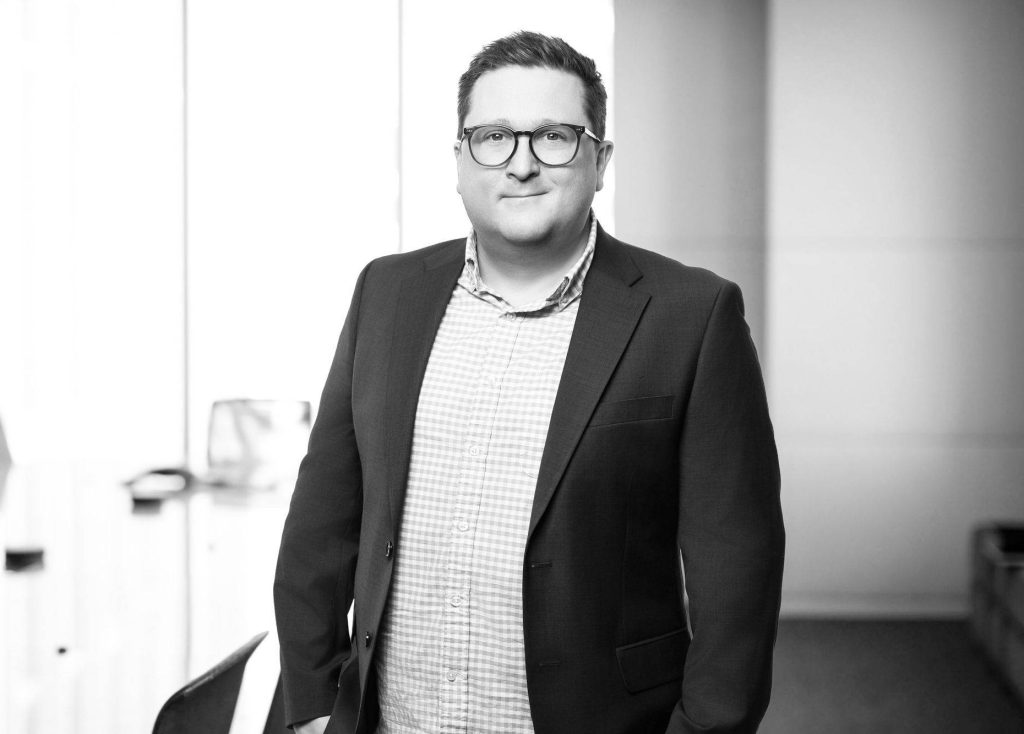
Attorneys for Haitian TPS holders pushed back, arguing that the government’s decision was not only legally flawed but also tainted by discriminatory views. Geoffrey M. Pipoly, representing Haitian migrants, pointed to past statements by former Homeland Security Secretary Kristi Noem and other officials that critics say reflected hostility toward immigrants from Haiti and other non-white countries.
Justice Ketanji Brown Jackson also raised questions about public comments made by President Trump and other officials, including false claims about Haitian immigrants in Springfield, Ohio. Critics have argued that such statements help show racial bias behind the administration’s immigration decisions.
Sauer rejected that argument, saying the comments were being taken out of context. He argued that administration officials were speaking about issues such as crime, poverty, welfare dependency and broader immigration policy concerns, not targeting people because of race.
Many immigration experts said Wednesday’s arguments suggested that several conservative justices were receptive to the administration’s claim that decisions on TPS fall largely under executive branch authority. Liberal justices, however, expressed concerns about fairness, due process, and the consequences of removing protections from immigrant communities that have been established in the United States for many years.
Does Haitian TPS Still Stand Right Now?
Yes. Haitian TPS remains active and in force at this time.
The Supreme Court did not issue a ruling Wednesday. Oral arguments simply allow the justices to question both sides before making a final decision, which could come in the coming weeks or by the end of the Court’s current term, typically in late June.
Because lower federal courts had previously blocked efforts to terminate the program, current TPS protections continue unless and until the Supreme Court rules otherwise.
That means eligible Haitian TPS holders continue to maintain their protections and work authorization under the existing legal framework for now.
For many Haitian families, the case carries enormous personal and economic importance. TPS holders include workers, homeowners, parents of U.S.-born children, small business owners and longtime members of local communities.
If the Court eventually sides with the Trump administration, the federal government would still likely need to announce next steps, deadlines or transition procedures before any major change takes effect.
For now, immigration advocates are urging Haitian TPS holders not to panic, to stay informed through official sources, and to consult licensed immigration attorneys.
Wednesday’s hearing marked a major legal moment, but the immediate reality remains unchanged:
Haitian TPS still stands today while the Supreme Court prepares its final decision.