Overview
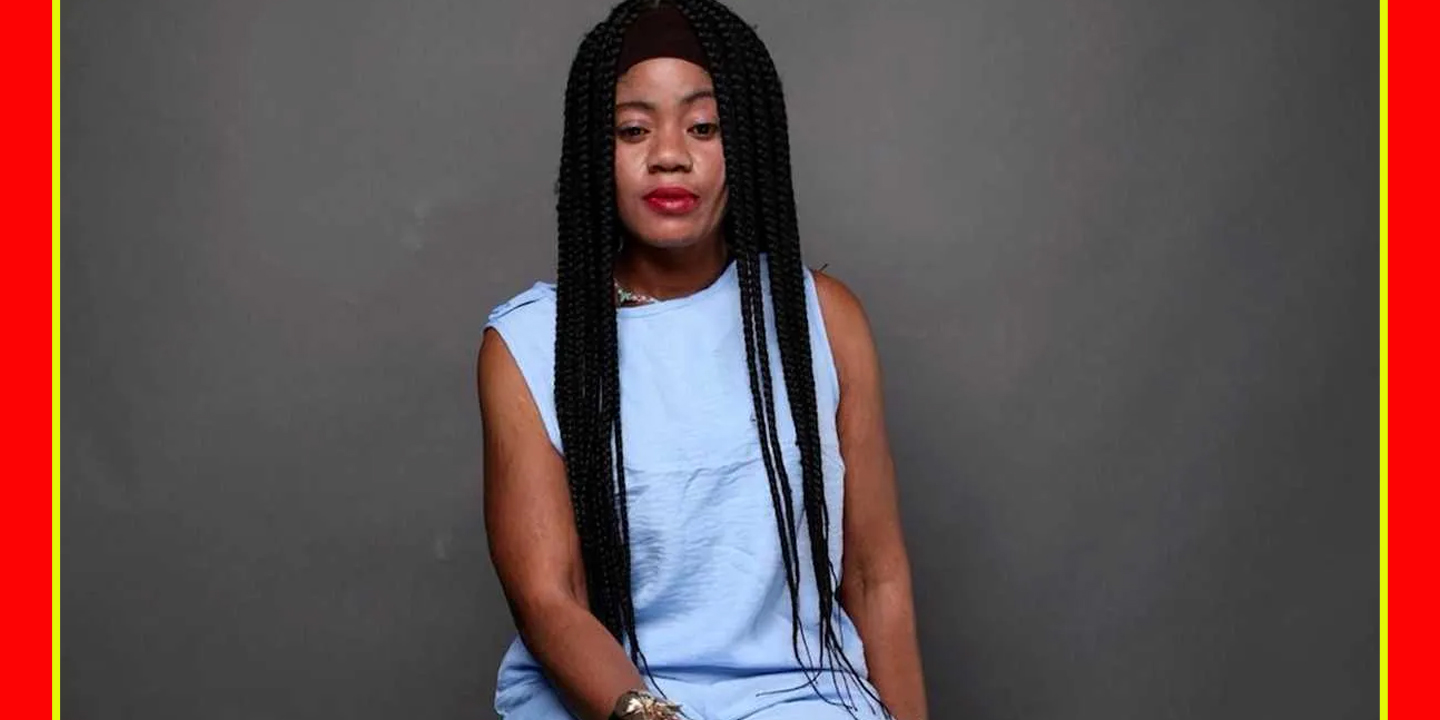
Daphy Michel’s death, days after being released from jail and placed under ICE monitoring, is fueling new concern over the treatment of Haitian migrants in the U.S. immigration system. Her case marks at least the fourth Haitian death tied to ICE custody or enforcement in less than a year, raising fresh questions about accountability and protection.
By Le Floridien Staff
WASHINGTON – The death of Daphy Michel, a 31-year-old Haitian asylum seeker found unresponsive at a Pittsburgh bus shelter just days after being processed by ICE and placed under electronic monitoring, adds another painful chapter to a pattern that is becoming harder to ignore.
Her story is especially troubling because the criminal case against her had just fallen apart. After spending nearly six months in the Washington County Jail, the misdemeanor charges against her were dismissed. Her family expected her to finally regain her freedom and begin rebuilding her life.
Instead, ICE stepped in.
Michel was processed by immigration authorities and placed into the agency’s Alternatives to Detention program, a system that allows immigrants with pending cases to remain outside detention while being monitored, often through an electronic ankle bracelet.
Then came the shocking outcome: within days of that ICE processing, she was found alone at a bus shelter and later died after suffering cardiac arrest, according to what her family was told. The official cause of death has not yet been released.
That sequence of events raises serious concerns. Michel was not outside the immigration system. She was in it. She had entered the United States legally through a port of entry, had been allowed into the country for humanitarian reasons, and had a pending asylum case with an immigration hearing scheduled in Florida.
For many Haitians, that is the heart of the matter. Daphy Michel did not simply vanish from view. She moved from jail to ICE processing, from dismissed charges to electronic monitoring, and then to death under circumstances that remain unclear. That is why her case is already being seen as another Haitian life lost in the shadow of ICE enforcement.
And she is not the first.
Michel’s death comes after the deaths of Emmanuel Damas, Jean-Wilson Brutus, and Marie Ange Blaise — three other Haitians who died in ICE custody or in detention-related circumstances since April 2025.
That makes Michel at least the fourth Haitian immigrant to die in connection with ICE enforcement or custody in less than a year.
Four Haitian lives lost.
Four grieving families.
Four cases marked by pain, uncertainty, and serious questions.
That is why this tragedy is bigger than one case. It points to a system that too often leaves families with heartbreak but few answers. Michel’s brother expected his sister to be released after her charges were dismissed. Instead, he received a call informing him that she had died.
This is also why responsibility cannot simply be brushed aside. Even if the exact medical cause of death is still pending, the broader chain of events is already clear: a vulnerable Haitian asylum seeker moved through the criminal justice system, into ICE supervision, and ended up dead within days.
That alone demands transparency.
This is not to say that no Haitian voices have spoken out. At least one Haitian American elected official in New York has already raised questions about ICE’s responsibility in cases involving Haitian migrants. Advocates in the community have also called for answers and closer scrutiny of how Haitian immigrants are treated once they enter detention, supervision, or enforcement pipelines.
That matters. It shows that concern is real and growing.
But Michel’s death should push that concern even further — beyond isolated reactions and toward sustained calls for accountability. There should be a serious review of what happened between her release, her ICE processing, and the moment she was found unresponsive. There should also be renewed attention to how immigration authorities handle vulnerable migrants, especially those showing signs of mental health distress.
For Le Floridien, the larger point is impossible to miss: another Haitian is dead, and once again the system appears to move faster than accountability.
Daphy Michel came to the United States seeking protection and a chance at a safer life. Instead, her journey ended in confusion, abandonment, and unanswered questions.
For a Haitian community already shaken by previous deaths tied to ICE custody and enforcement, this latest tragedy deepens a growing sense of alarm: Haitian migrants continue to face the harshest edges of the U.S. immigration system, while the answers too often arrive late — if they arrive at all.