Overview
A federal corruption case in New York involving individuals of Haitian origin has prompted difficult questions about accountability, leadership, and the image of the Haitian diaspora. While the allegations concern individuals, the case has wider implications for a community that has worked hard to build its reputation through resilience and achievement.
By Dessalines Ferdinand
Chief Editor, Le Floridien
The views expressed in this article are those of the author.
Success stories within the Haitian diaspora have long been a source of pride. From healthcare to politics, from business to public service, Haitians across the United States have worked tirelessly to build reputations grounded in resilience, discipline, and a commitment to community uplift. Yet when allegations of corruption emerge involving individuals of Haitian origin, that pride is inevitably shaken, forcing a difficult but necessary conversation.
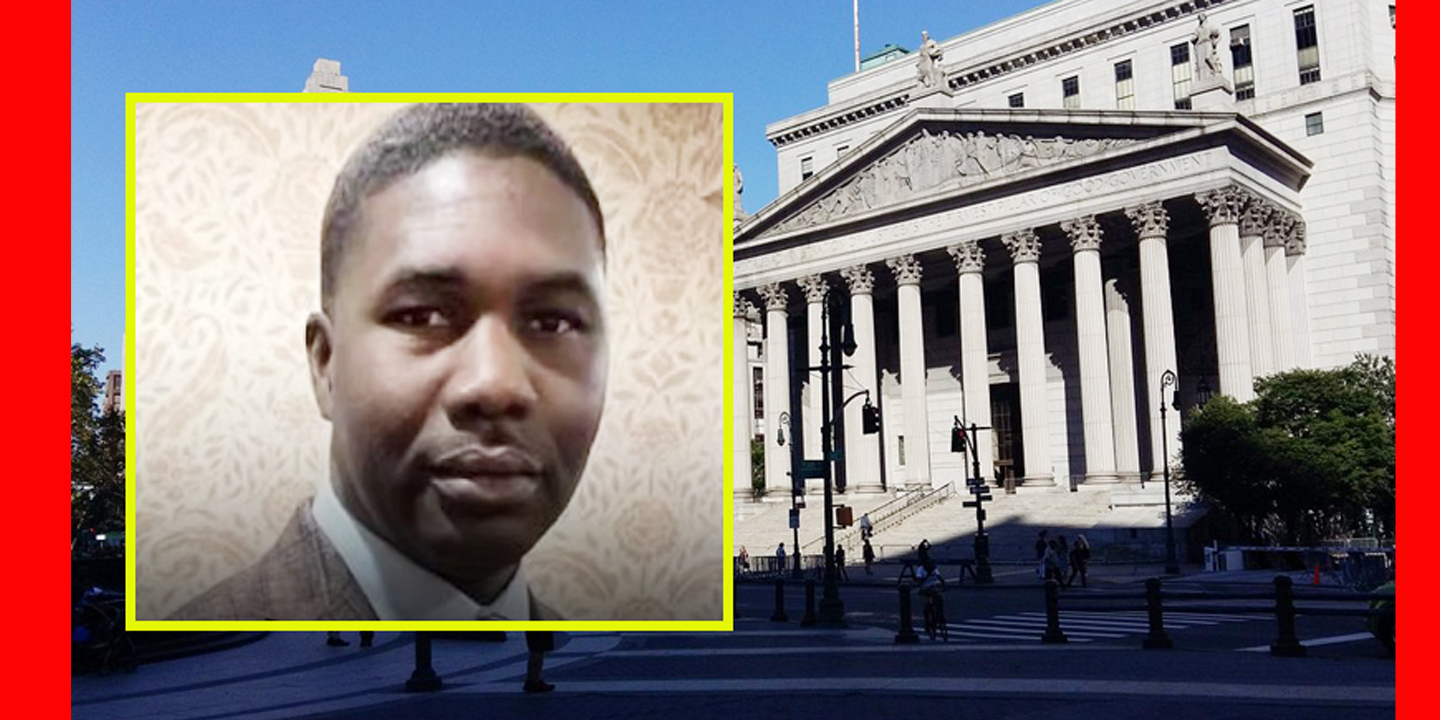
A recent federal investigation in New York, involving allegations surrounding Haitian-American leadership, has brought such discomfort to the surface. Prosecutors allege that individuals connected to BHRAGS Home Care Inc., a nonprofit headquartered in Brooklyn that has received millions of dollars in contracts to manage migrant shelters, engaged in a scheme involving embezzlement and kickbacks tied to city-funded programs. Among those charged are individuals of Haitian origin, including a former NYPD sergeant and nonprofit executives accused of diverting substantial public funds intended to serve vulnerable populations.
The allegations, if proven, are serious, not only because of the scale of the funds involved (approximately $1.3 million), but also because they affect programs designed to assist some of the most vulnerable communities: the unhoused, migrants, and asylum seekers, including members of the Haitian community itself. These are spaces where integrity is not optional; it is essential.
Yet the deeper issue extends beyond the courtroom. It touches on perception, representation, and responsibility.
The Haitian Diaspora and Accountability
For a diaspora that has fought diligently to overcome stereotypes and systemic barriers, every public figure carries, willingly or not, a degree of collective representation. When success is achieved, it is often celebrated collectively. When scandal emerges, however, the discomfort is also shared.
Why the Haitian Diaspora Must Respond
The case involving BHRAGS Home Care Inc. is not about assigning collective guilt. The actions of individuals should never define an entire people. However, it would be equally unproductive to ignore the broader implications. Situations like this raise uncomfortable but necessary questions:
How do we ensure that success is matched by accountability?
Are we doing enough to promote ethical leadership within our institutions?
What systems of mentorship, oversight, and responsibility exist within our networks?
The Haitian diaspora has produced countless examples of integrity, excellence, and public service. Those stories remain the overwhelming majority, and they must continue to be told. However, moments like this within New York’s Haitian community call for introspection, not silence.
This situation also reflects a broader national pattern. In recent years, large-scale fraud cases in other states, such as Minnesota, have demonstrated how programs designed to assist vulnerable populations can be exploited when oversight fails. The lesson is not about ethnicity; it is about the intersection of opportunity and weak accountability.
In New York, the rapid expansion of migrant shelter programs, often through emergency and no-bid contracts, created conditions in which large sums of money moved quickly. In such environments, the line between service and self-interest can become dangerously blurred if safeguards are insufficient.
For the Haitian community, the path forward is neither denial nor the condemnation of an entire group. It is clarity.
Clarity that success must be anchored in ethics.
Clarity that leadership requires responsibility.
Clarity that protecting the reputation of a community requires confronting difficult truths when they arise.
This is not a moment to turn away. It is a moment to reaffirm values.
Because, in the end, the true measure of a community is not whether it avoids controversy, but how it responds to it.