BY LE FLORIDIEN |
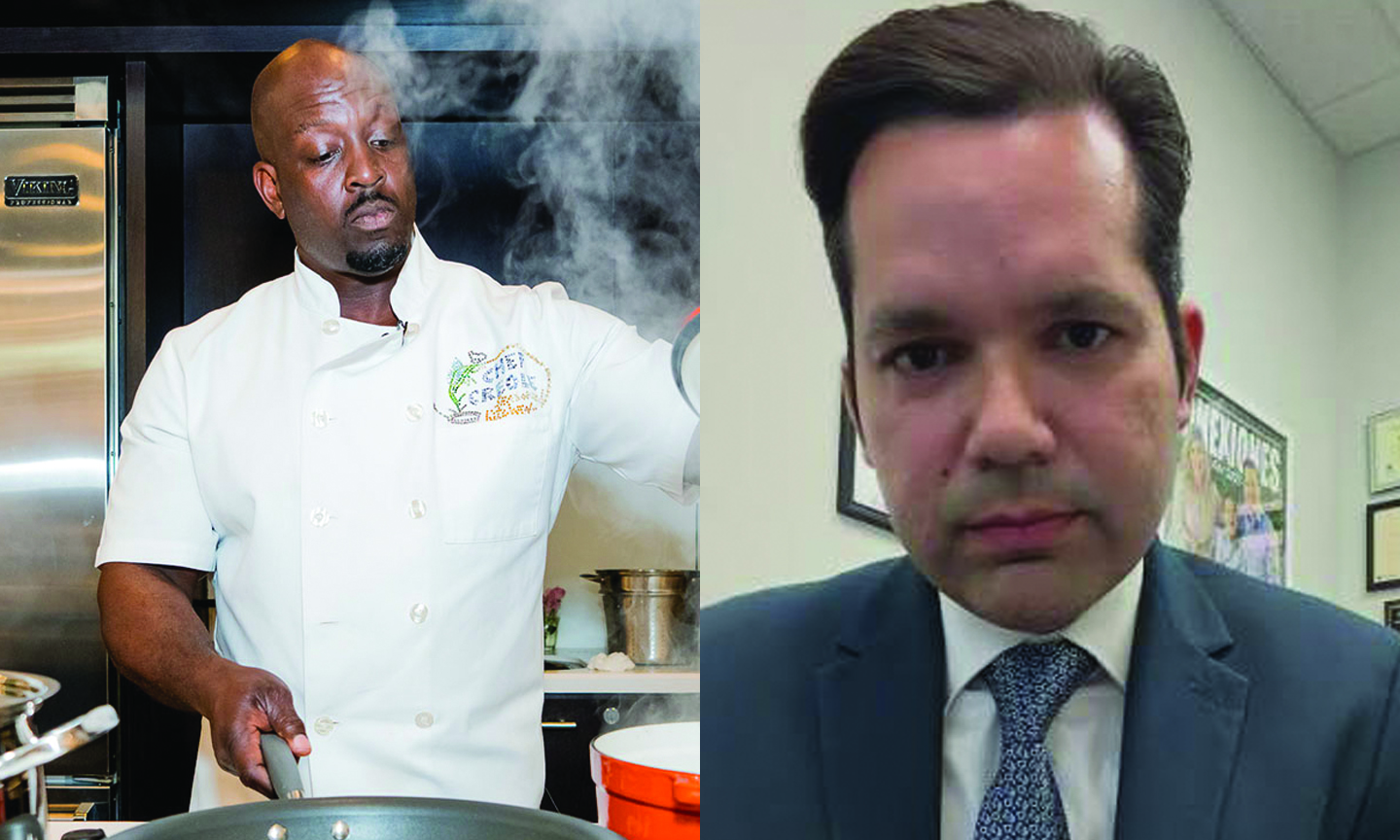
MIAMI — Haitian restaurateur Wilkinson “Ken” Sejour, better known as Chef Creole, is not the only South Florida supporter of President Donald Trump now questioning how the administration is carrying out its immigration crackdown.
In Doral, Republican Councilman Rafael Pineyro—a Venezuelan American who has supported Trump—is also speaking out. Pineyro continues to support the deportation of criminals, but he strongly objects to immigration authorities detaining working people, professionals and families whose asylum applications or other immigration cases remain pending.
The similarities between the two men are difficult to ignore. Both come from influential South Florida immigrant communities. Both supported Trump. And both are now witnessing the effects of his immigration policies on the people and businesses around them.
A Republican Draws a Line in Doral
Doral is home to the largest Venezuelan-American community in the United States. Approximately 40% of its residents are of Venezuelan origin, while nearly 70% of the city’s population was born outside the United States. Pineyro is the only Venezuelan-American member of the Doral City Council.
As immigration arrests have become increasingly visible in the city, Pineyro has described the situation as a “tragic moment.” He says the government must distinguish between dangerous criminals and families waiting for decisions in the immigration system.
“We have never experienced families being detained in our community,” Pineyro said during an online discussion with immigration attorney John De La Vega. “There must be a difference between criminals, who should be deported, and families with pending cases.”
Pineyro went further, saying that he “categorically” rejects the manner in which some of the enforcement operations are being conducted.
“For the first time, we are facing circumstances in which hardworking people and professionals with pending immigration cases are being detained,” he said, describing that treatment as “inhumane.”
The councilman said he knows people whose asylum applications have remained unresolved for 15 or 20 years. In his view, those delays represent a failure of the immigration system—not wrongdoing by applicants who have spent years waiting for the government to decide their cases.
Chef Creole Raised Similar Concerns
The controversy in Doral echoes what Chef Creole experienced in Little Haiti.
Sejour said the termination of Temporary Protected Status for Haitians affected his workforce and increased his labor expenses. At the same time, fear of immigration enforcement began discouraging customers from visiting Haitian businesses.
Those concerns intensified after federal immigration agents detained a scooter rider near Chef Creole’s restaurant in Little Haiti. The restaurant itself was not raided, but video of the detention circulated online and fueled rumors that immigration authorities had targeted the business.
“You are taking key people, and now you are giving people the impression that it’s not even safe to come to my business,” Sejour said. He called on the administration to reassess its approach before causing further harm to workers, businesses and the broader economy.
Pineyro is now making a similar argument from within the Venezuelan community. Like Sejour, he is not calling for the government to ignore immigration law. He is asking authorities to distinguish between convicted criminals and longtime residents who work, pay taxes, support their families and remain trapped in lengthy immigration proceedings.
When Enforcement Reaches Supporters’ Communities
Many Haitian and Venezuelan supporters of Trump believed the administration’s deportation campaign would primarily target violent criminals, gang members and other threats to public safety.
But as immigration enforcement expands, some supporters say the reality is affecting a much broader population—including people with work permits and pending asylum applications.
That distinction is at the center of the criticism expressed by both Sejour and Pineyro. Neither man has announced a complete political break with Trump. Their objections are directed at how immigration policy is being implemented and the consequences for their respective communities.
Their message is simple: enforcing immigration law should not require treating working families and asylum applicants like dangerous criminals.
Chef Creole may have been one of the first prominent Trump supporters in South Florida’s Haitian community to express that frustration publicly. The criticism now coming from a Venezuelan-American Republican councilman in Doral shows that he is no longer standing alone.