Analysis | Le Floridien staff
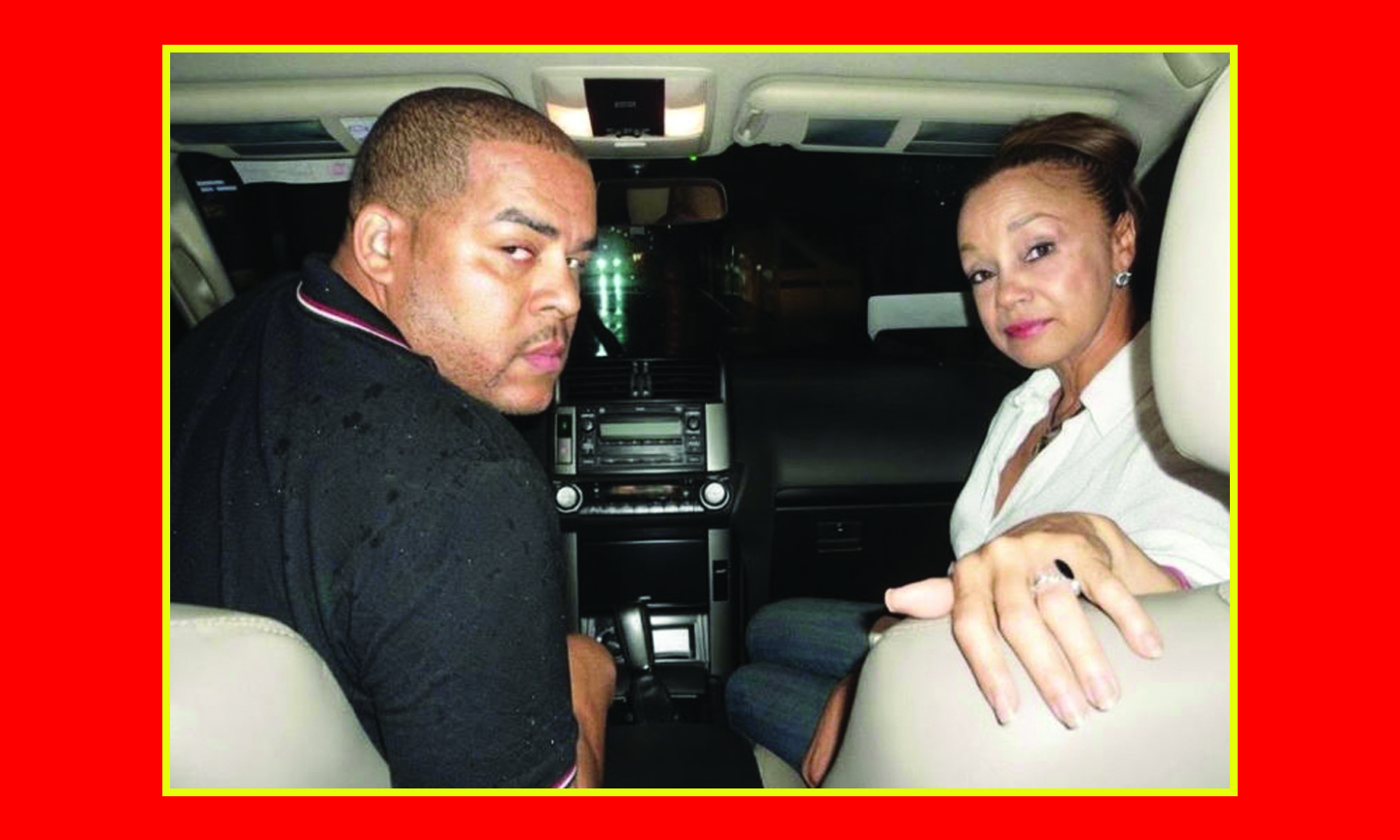
SANTO DOMINGO — The brutal murder of Zeneida Socorro Castillo, wife of merengue singer Julián Oro Duro, during a robbery at the couple’s home in Santo Domingo Este has renewed concerns about violent crime in the Dominican Republic.
Castillo, 60, was beaten and stabbed after reportedly preparing food and drinks for people who later attacked her. Her husband was also injured. Dominican police arrested several suspects and recovered cash and personal belongings connected to the case.
The brutality of the killing prompted some Dominican personalities to publicly express concern about where crime could be heading.
But one murder, however shocking, does not mean the Dominican Republic is becoming another Haiti.
The numbers tell a different story
Dominican authorities reported a cumulative homicide rate of 7.34 per 100,000 inhabitants as of September 18, 2026, considerably lower than in previous years. That suggests the country is not experiencing a general security collapse.

Haiti’s situation is dramatically different. Armed gangs have gained control or influence over large areas, displaced communities and severely weakened the state’s ability to exercise authority.
Nevertheless, there is another reason the comparison deserves attention.
Haiti’s gang crisis did not begin overnight
Today’s powerful Haitian gangs did not start by controlling large territories. The crisis developed over years, as smaller criminal and armed groups involved in robberies, kidnappings, killings and other crimes accumulated weapons, money and influence while state institutions weakened.
Recent developments in Greater Santo Domingo therefore deserve scrutiny.
During 2026, Dominican authorities have reported dismantling or pursuing several alleged criminal groups involved in armed robberies, kidnappings, shootings and other crimes.
In August, for example, police announced arrests connected to an alleged criminal organization accused of multiple armed robberies in the Distrito Nacional and Santo Domingo Oeste. Authorities reported recovering a pistol, ammunition, cellphones and cash.
More recently, a September shooting in Boca Chica left two people dead and five wounded. Police subsequently linked suspects to the attack and other crimes and reported recovering firearms, including a 5.56-caliber rifle.
These cases do not mean Santo Domingo is becoming Port-au-Prince. In fact, the police operations demonstrate an important difference: Dominican institutions continue to investigate criminal organizations, arrest suspects and seize weapons.
A warning from Haiti
That may be precisely where Haiti’s experience becomes relevant.
Robberies, kidnappings and killings alone do not transform a country into Haiti. The danger comes when criminal groups are allowed to grow, acquire increasingly powerful weapons, establish territorial influence and eventually become strong enough to challenge the state.
The Dominican Republic is nowhere near that point today, and its declining homicide rate is an important distinction.
But Castillo’s murder, combined with recent reports of organized criminal groups operating around Greater Santo Domingo, raises a legitimate question about prevention.
The lesson from Haiti is not that the Dominican Republic is destined to follow the same path. It is that criminal organizations are easier to confront before they acquire the weapons, money, territory and influence that make them much harder to control.
For two nations sharing the same island, that may be one of the most important lessons Haiti’s security crisis offers its Dominican neighbor.