POLITICAL ADVERTISEMENT
Content provided and approved by the David Jolly for Governor campaign.
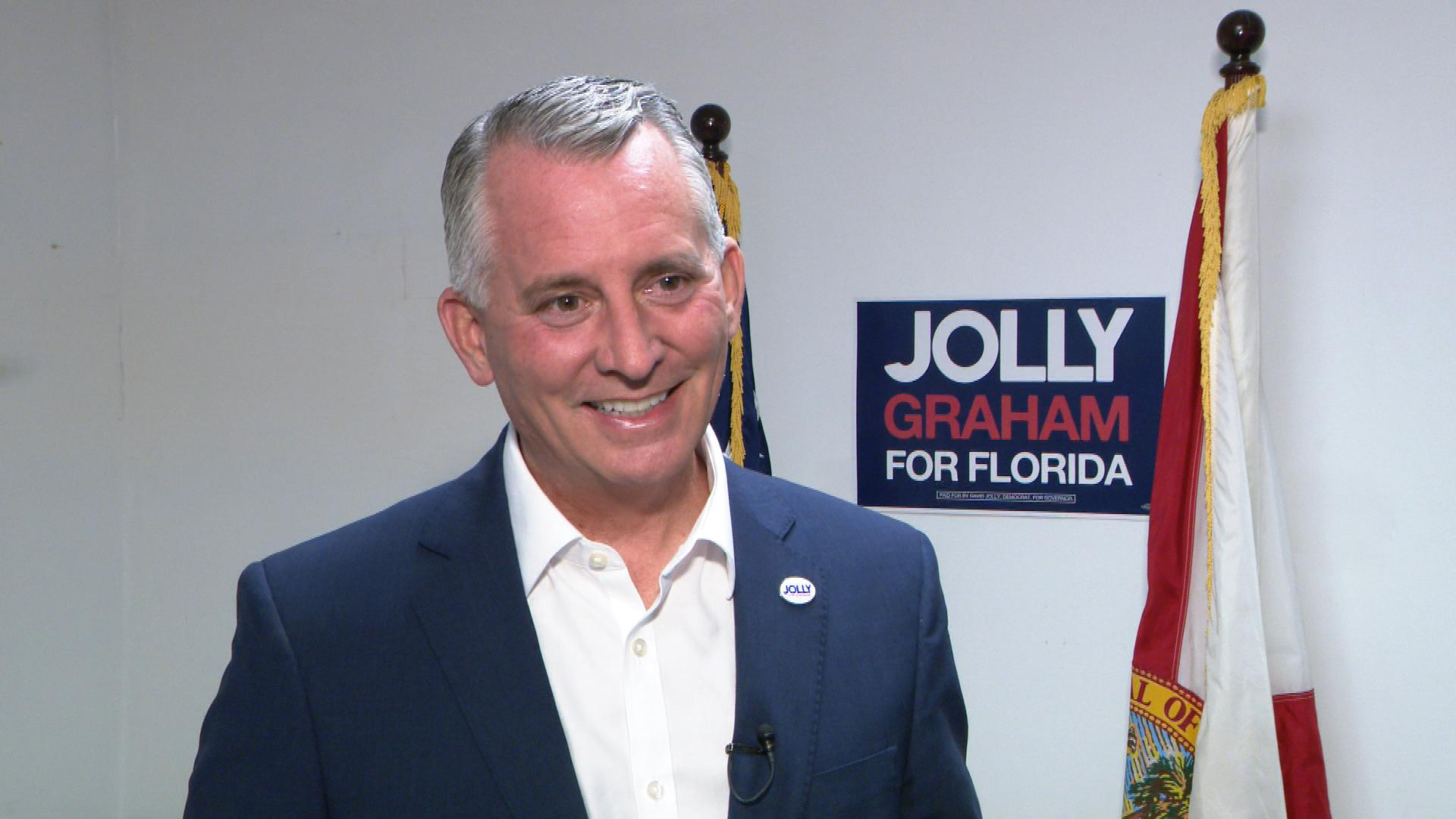
Former U.S. Congressman David Jolly, Florida’s Democratic nominee for governor, is presenting voters with a platform centered on property insurance, education, healthcare, government ethics and respect for the state’s diverse communities.
MIAMI — As Florida voters prepare to choose their next governor, Democratic nominee David Jolly is campaigning on the argument that the state needs a less divisive and more practical approach to government.
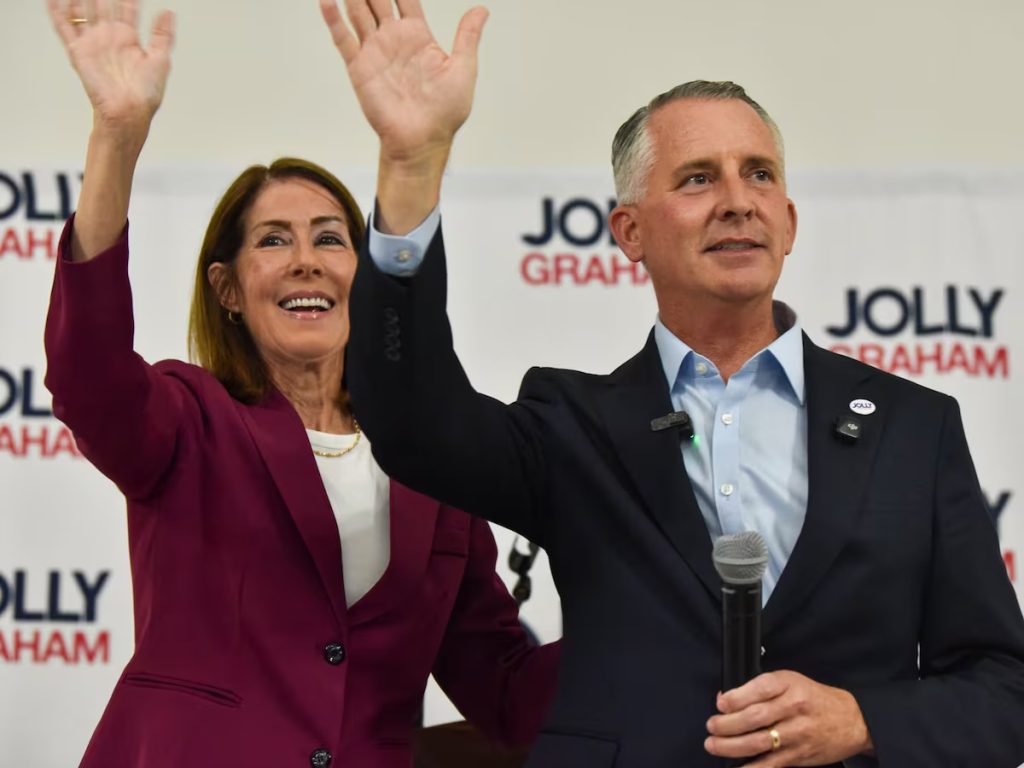
Jolly, a fifth-generation Floridian, attorney and former member of Congress, is running with former U.S. Rep. Gwen Graham as his candidate for lieutenant governor. He will appear on the November 3, 2026, general-election ballot.
His campaign is focusing heavily on problems affecting Floridians’ daily lives: rising property-insurance premiums, housing affordability, healthcare expenses, underfunded public schools and public distrust of state government.
Experience in Congress
Jolly represented Florida’s 13th Congressional District, covering much of Pinellas County, from March 2014 until January 2017. Before his election, he spent several years working for longtime Florida congressman C.W. Bill Young. He later practiced law and became a television political analyst.
According to the U.S. House of Representatives, Jolly served on the House Appropriations Committee, including subcommittees responsible for veterans’ affairs, military construction, transportation and housing.
During his congressional service, Jolly developed a reputation for occasionally working across party lines. In 2015, he joined Democratic Rep. Gwen Graham (his running mate) in introducing bipartisan legislation intended to extend the prohibition on oil drilling in the eastern Gulf of Mexico and protect Florida’s coastline.
Jolly also introduced the bipartisan STOP Act, which sought to prohibit federal officeholders from personally soliciting campaign contributions while serving in office. Although the legislation did not become law, his criticism of Congress’ fundraising culture received national attention, including a report by CBS’ “60 Minutes.”
His campaign now points to those efforts as evidence of his willingness to challenge practices within his own political party and cooperate with leaders holding different views.
Addressing Florida’s insurance crisis
At the center of Jolly’s gubernatorial platform is a proposal to reform Florida’s property-insurance system.
Homeowners, condominium owners, renters and small businesses have faced sharp increases in insurance and housing expenses. Jolly proposes creating a state catastrophic fund that would remove some hurricane-related risk from the private insurance market.
His campaign argues that such a fund could stabilize the market and reduce property-insurance costs. The proposal would represent a greater state role in managing catastrophic risk and would require legislative approval and detailed financial planning before implementation.
Jolly also proposes a state-backed, no-interest loan program to assist condominium associations and individual owners facing expensive structural repairs and reserve requirements.
Investing in public education
Jolly’s official campaign platform calls for increased investment in Florida’s public schools and more competitive salaries for teachers.
He also wants private schools accepting state-funded vouchers to meet stronger academic and service requirements. Under his proposal, participating private schools would be expected to provide specialized services comparable to those offered by public schools without charging families additional tuition.
Jolly supports making the voucher program dependent on financial need so that limited public funding is directed primarily toward families requiring economic assistance.
For higher education, he proposes giving qualified Florida students preferred consideration when applying to the state’s public universities. His campaign argues that Florida families should have greater access to institutions supported by their tax dollars.
Healthcare and support for vulnerable Floridians
Jolly supports expanding Medicaid in Florida and strengthening access to primary healthcare services.
Medicaid helps finance medical care for low-income families, pregnant women, children, seniors requiring long-term care and people with disabilities. Florida remains one of the states that has not adopted the Affordable Care Act’s broader Medicaid expansion.
His campaign maintains that expansion would improve access to care while providing additional support to hospitals serving uninsured and low-income patients.
The platform also calls for Florida to strengthen services for veterans, particularly when federal programs are reduced or fail to meet local needs.
Ethics and campaign-finance reform
Government accountability is another major component of Jolly’s campaign.
He is proposing a broad ethics and campaign-finance package aimed at increasing transparency and limiting the influence of corporations and political committees in Tallahassee. His platform argues that Florida’s current system allows large financial contributions to create the appearance—or possibility—of improper influence over official decisions.
His position is consistent with the concerns he raised in Congress through the STOP Act. However, the exact restrictions, enforcement mechanisms and legislative details of his proposed state reforms would still need to be established.
Jolly also supports stronger home-rule protections, arguing that local voters and governments should have greater authority to decide community matters without unnecessary interference from Tallahassee.
A message for Florida’s immigrant communities

Jolly’s platform addresses immigration primarily through public safety, equal treatment and community inclusion.
His campaign states that anyone who commits a crime in Florida should be held accountable, regardless of whether that person is native-born, an immigrant or a public official. At the same time, he argues that law enforcement policies should target criminal activity instead of treating entire immigrant communities with suspicion.
Jolly also recognizes immigrants’ contributions to Florida’s labor force, small businesses, culture and economy. His platform calls for residents to be treated with dignity regardless of their race, birthplace, religion or personal background.
During the campaign, Jolly has visited South Florida’s Haitian community several times, meeting with community leaders, clergy members, business owners and other local figures. These conversations have allowed him to hear directly about the community’s priorities and gain a better understanding of the particular challenges facing Haitian families, workers and small-business owners across the state.
For Florida’s Haitian and Caribbean communities, the language of inclusion is significant. As with every campaign commitment, voters will ultimately evaluate whether the proposed principles are supported by detailed policies and whether they can be implemented through cooperation with the Legislature.
A political evolution
Jolly’s political history does not fit neatly within one party. He served in Congress as a Republican, later left the party and spent several years as an independent before becoming a Democrat.
He presents that evolution as evidence that elected officials should be willing to reconsider their positions as circumstances and their understanding of issues change. Critics may interpret those changes differently, but Jolly has made his political journey a central part of his candidacy rather than attempting to avoid it.
His selection of Gwen Graham reinforces the campaign’s emphasis on experience and bipartisan cooperation. Graham previously represented Florida’s 2nd Congressional District and worked in public education before serving in Congress.
A campaign centered on governing priorities
Jolly’s candidacy combines congressional experience with proposals addressing several of Florida’s most urgent challenges. His record includes bipartisan legislative initiatives involving coastal protection and campaign-finance reform, while his current platform emphasizes insurance affordability, public education, Medicaid expansion, environmental resilience, government ethics and respect for immigrant communities.
Some of those initiatives introduced during his congressional service did not become law, and his gubernatorial proposals would require legislative support, sustainable funding and careful implementation. Those distinctions are important as voters examine what he has previously advocated and what he is now promising to accomplish.
On November 3, Florida voters will choose between two competing visions for the state. Jolly is presenting his congressional experience, record of working across party lines and proposals on insurance, education, healthcare and government ethics as the case for his candidacy. Voters must now compare that agenda with the Republican nominee’s platform and decide which direction best addresses Florida’s priorities.
This article is sponsored political content. Information about the candidate’s current proposals was obtained from the David Jolly campaign’s official platform. References to his government service and legislative work were reviewed against public records and contemporary reporting.
Political advertisement paid for and approved by David Jolly, Democrat, for Governor.