By Le Floridien
Haiti has taken another important step on the road to international women’s soccer glory.
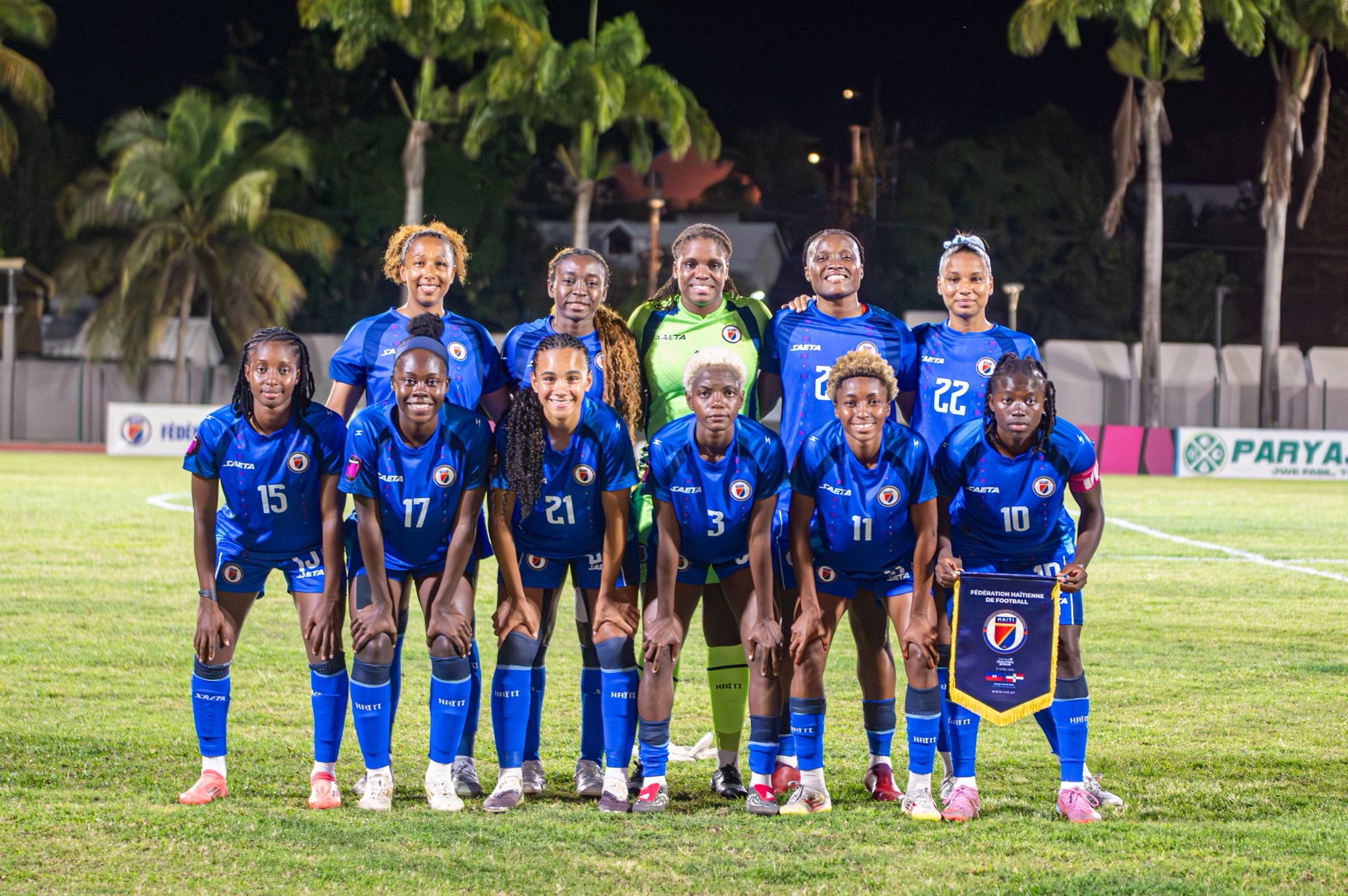
The Haitian women’s national team has qualified for the 2026 Concacaf Women’s Championship, keeping alive its hopes of reaching the 2027 FIFA Women’s World Cup and building on its historic appearance at the global tournament in 2023.
The Grenadières secured their place after a 1-1 draw against the Dominican Republic on Friday night, a result that allowed Haiti to finish first in Group D and clinch one of the coveted spots in the regional championship.
Haiti is among six teams that earned qualification through the preliminary stage, joining Costa Rica, El Salvador, Jamaica, Mexico, and Panama. They will meet Canada and the United States, the four-time world champions, in the Concacaf Women’s Championship 2026, which will be played in November and December 2026.
The tournament will open directly with the quarterfinals, immediately raising the pressure for all eight qualified teams. The stakes are enormous: the four semifinalists will qualify automatically for the 2027 FIFA Women’s World Cup, while the four quarterfinal losers will have to go through a playoff route to keep their World Cup hopes alive.
The Grenadières stay on course for a second straight Women’s World Cup
For Haiti, the qualification is more than just another positive result. It is confirmation that the team continues to grow after making history in Australia and New Zealand in 2023, when the country reached its first-ever Women’s World Cup. Now the objective is clear: return to the world stage and prove that Haiti belongs among the best teams in the region.
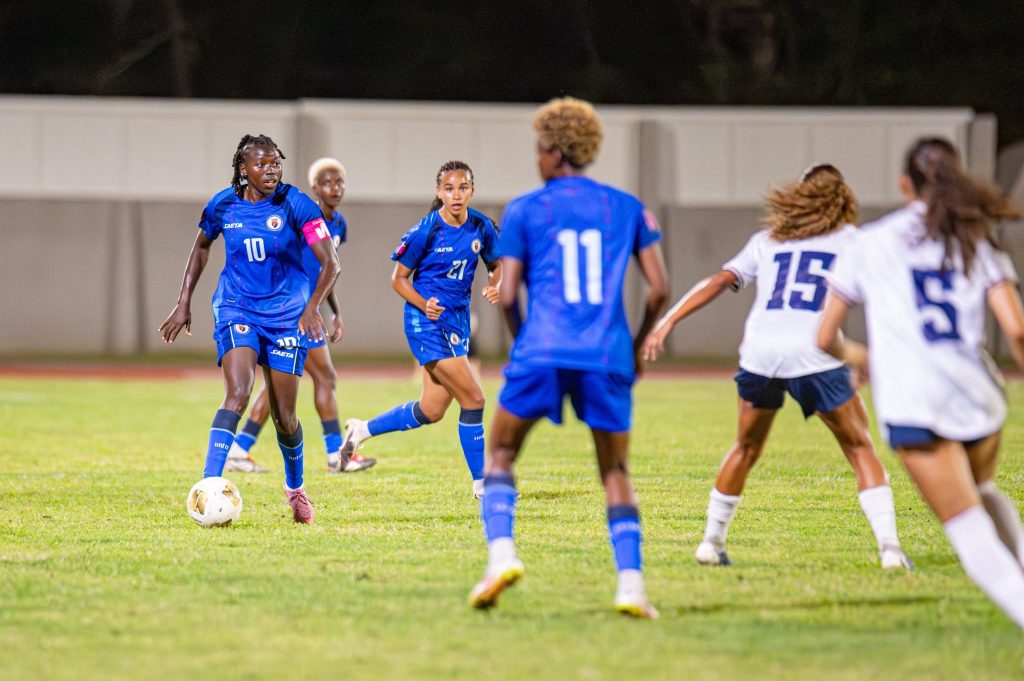
Haiti’s reputation has often been built on its explosive attacking talent, especially with stars such as Melchie Dumornay and Nérilia Mondésir, two of the most dangerous players in Caribbean football. Their skill, pace, and creativity have helped make Haiti one of the region’s most exciting teams.
But during this qualifying campaign, Haiti showed that its strength goes beyond offense.
While the Grenadières remain feared for their attacking power, it was their defensive discipline that stood out most in the group stage. In four matches, Haiti conceded only one goal, a sign of the team’s growing maturity, organization, and balance.
That defensive solidity could prove crucial in the next round, where every mistake will carry greater consequences.
The draw against the Dominican Republic may not have been a spectacular victory, but it delivered exactly what Haiti needed: first place in the group and a direct path into one of the most important tournaments in women’s soccer in the region.
Now, attention turns to 2026, when Haiti will once again have the chance to test itself against Concacaf’s elite and fight for another World Cup berth.
For a country that continues to produce remarkable talent and inspiring resilience, the Grenadières’ latest qualification is another proud moment — and another reminder that Haiti’s women are not finished making history.