By Le Floridien Staff
As another Atlantic hurricane season moves forward, South Floridians are once again reminded that preparation is not a choice—it is a responsibility. From Miami-Dade to Broward and Palm Beach counties, millions of residents live in areas vulnerable to heavy rain, flooding, damaging winds, prolonged power outages, and evacuation orders. Whether you have lived in Florida for decades or recently made the Sunshine State your home, now is the time to prepare.
The official Atlantic hurricane season runs from June 1 through November 30, with the greatest threat typically occurring between August and October. While meteorologists may predict a quieter or more active season, history has shown that it only takes one powerful storm to change lives. Hurricanes can damage homes, interrupt businesses, close schools, disrupt transportation, and leave communities without electricity or clean water for days.
Many South Florida residents remember the impact of storms such as Andrew, Wilma, Irma, and Ian. Others, particularly members of the Haitian community, also carry memories of devastating hurricanes that struck Haiti. Those experiences serve as a reminder that preparation should begin long before a storm appears on the forecast.
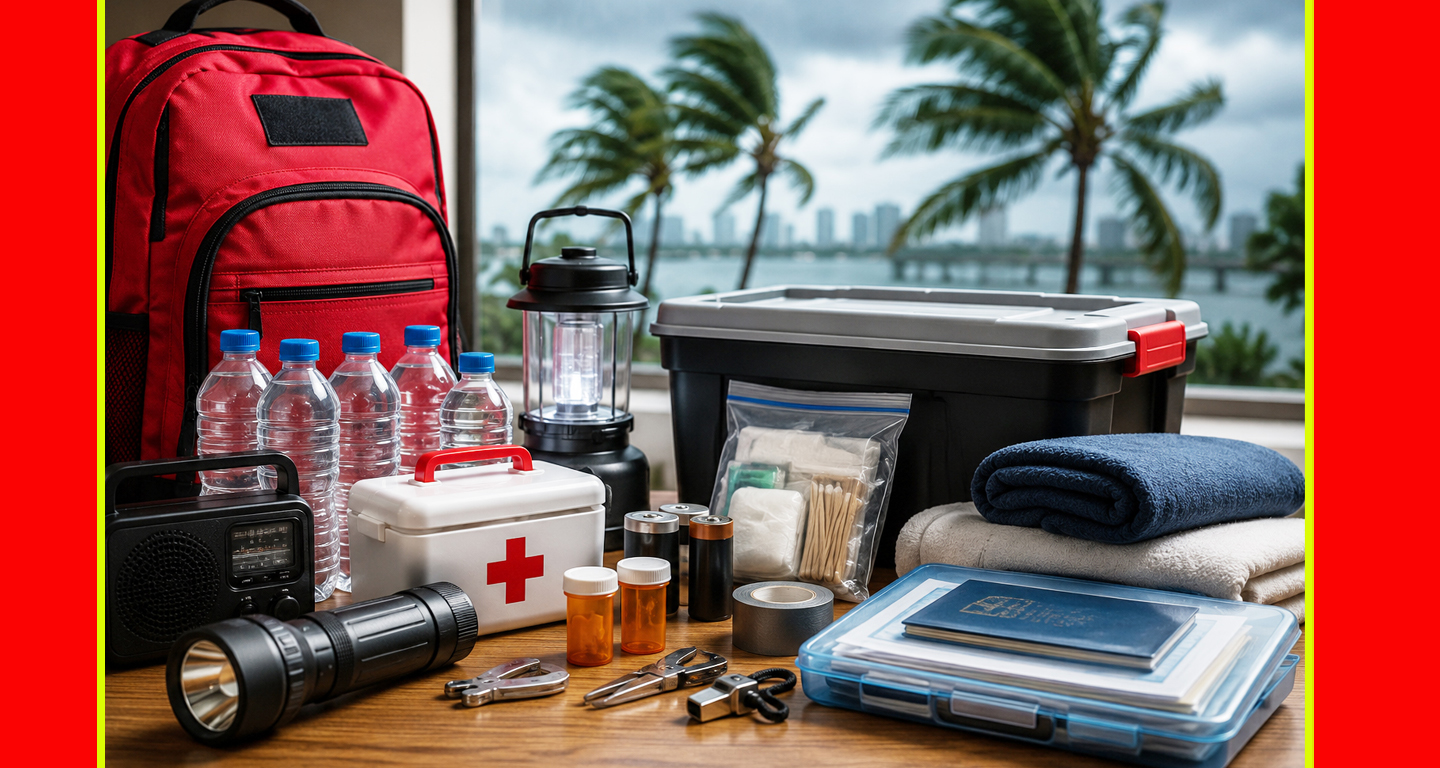
The first step is creating a disaster preparedness plan for your household. Every family should have enough bottled water, non-perishable food, prescription medications, first-aid supplies, flashlights, batteries, hygiene products, portable phone chargers, cash, and other essential items to last several days. Emergency officials recommend storing at least one gallon of water per person per day for drinking and sanitation.
Protecting important documents is equally important. Passports, birth certificates, Social Security cards, insurance policies, immigration documents, medical records, and financial information should be kept in a waterproof container or safely backed up electronically. Replacing lost documents after a hurricane can be a lengthy and stressful process, especially for families handling immigration matters or insurance claims.
Residents should also know whether they live in an evacuation zone. Local emergency management agencies provide online maps that identify evacuation areas and shelters. If an evacuation order is issued, families should leave early whenever possible rather than waiting until roads become congested or weather conditions deteriorate. Staying with relatives or friends outside evacuation zones is often more comfortable than relying on a public shelter.
Preparedness also means looking after those who may need extra assistance. Elderly relatives, people living alone, individuals with disabilities, pregnant women, and families with young children may require additional help before and after a storm. Checking on neighbors, offering transportation, or helping someone secure their home can make a significant difference when severe weather approaches.
Communication is another key part of any emergency plan. Families should decide in advance where they will meet if separated, how they will stay in contact if cell service becomes unreliable, and who an out-of-state relative can call to relay information. Parents should ensure children understand the family’s emergency plan and know how to reach trusted relatives if necessary.
Small business owners should also prepare well before a storm threatens the area. Restaurants, grocery stores, salons, retail shops, medical offices, tax preparation businesses, travel agencies, and other local businesses should review insurance coverage, protect valuable equipment, secure buildings, back up computer data, and develop contingency plans for employees and customers. For many businesses, a few hours of preparation can prevent weeks of financial loss.
The danger does not end when the hurricane passes. Many storm-related injuries occur during cleanup efforts. Residents should never operate generators inside homes or garages because of the risk of carbon monoxide poisoning. Floodwaters should be avoided whenever possible because they may conceal electrical hazards, contaminated water, or dangerous debris. Downed power lines should always be treated as live and reported immediately.
Renters should also take hurricane preparedness seriously. While landlords are responsible for maintaining buildings, tenants should protect personal belongings, understand what their lease covers, and consider renters insurance to help recover losses following a disaster.
Financial preparation is another often-overlooked part of hurricane readiness. Families should keep some cash available in case electronic payment systems fail, fill vehicle gas tanks before long lines develop, refill prescriptions early, and avoid waiting until the last minute to purchase essential supplies. Preparing early not only saves money but also reduces stress as a storm approaches.
South Florida has earned a reputation for resilience in the face of hurricanes. Time and again, neighbors have opened their homes, shared food, checked on vulnerable residents, and supported one another during difficult times. Within that spirit, the Haitian community has long demonstrated the importance of solidarity, often organizing relief efforts both locally and abroad whenever disaster strikes. That same sense of unity strengthens the entire region.
Preparing for hurricane season is not about living in fear. It is about protecting your family, safeguarding your property, and helping your community recover more quickly when severe weather occurs. A prepared household is a safer household. A prepared neighborhood is a stronger neighborhood.
Before the next tropical storm or hurricane develops, every South Florida family should ask one simple question:
Are we ready?
If the answer is no, there is no better time to prepare than today.