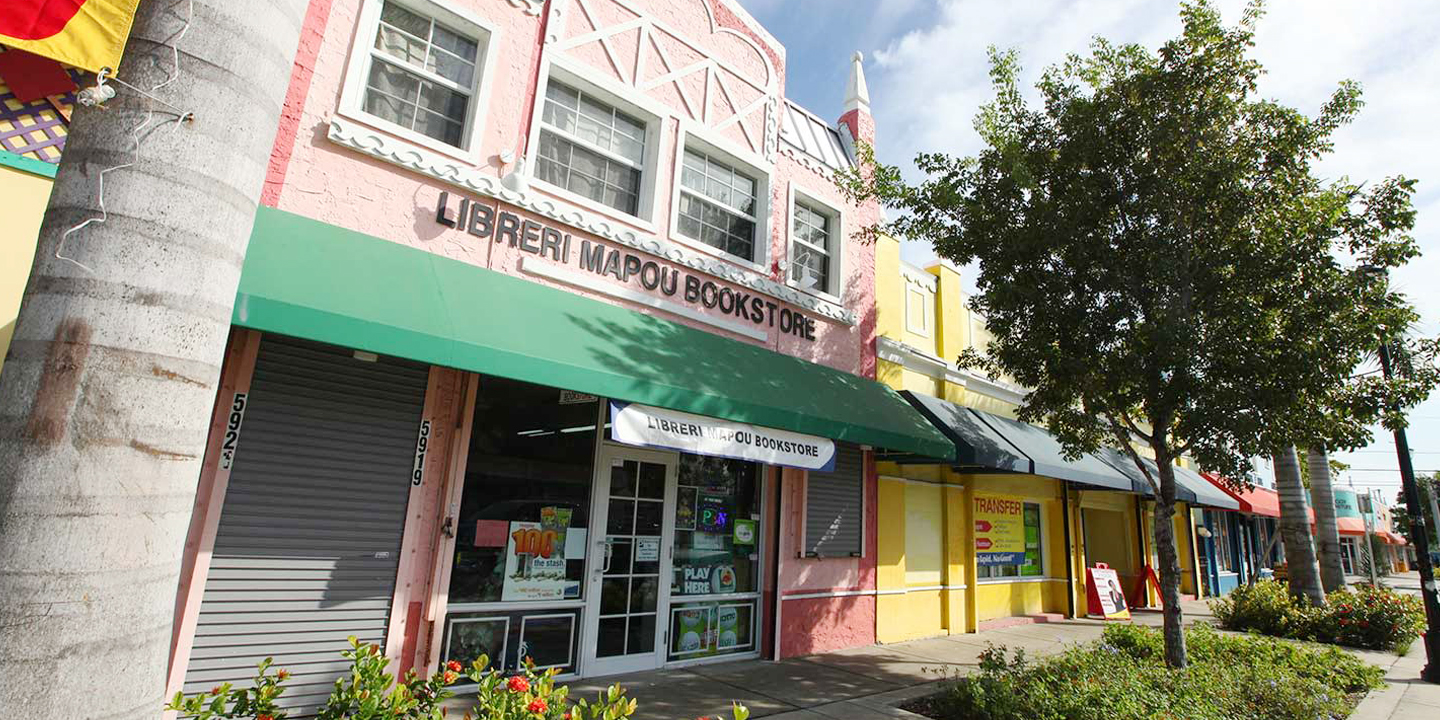
As development accelerates in Little Haiti and nearby Little River, many residents and small business owners fear that the changes could bring displacement instead of opportunity. While new projects promise housing, jobs, and investment, the deeper concern in the community is whether the people and culture that built Little Haiti will still have a place in its future.
MIAMI (Le Floridien) — As development pressure builds in Little Haiti and neighboring Little River, many residents and small business owners are asking an increasingly urgent question: who will still be able to afford to live, work and survive here when the transformation is complete? The concern is gaining new relevance as developers, policymakers and investors prepare to gather on April 23, 2026 for a South Florida real estate forum focused specifically on the future of Little River and Little Haiti.
For some, the promise of redevelopment sounds positive. Officials and developers point to new housing, economic activity and long-overdue investment in communities that have often felt overlooked. The City of Miami’s Little Haiti Revitalization Trust says its mission includes promoting economic development, facilitating affordable housing, supporting homeownership and encouraging former residents and others to locate to the area. The Trust’s 2025 annual report also presents redevelopment as a way to advance commerce and improve opportunities in the neighborhood.
But on the ground, many residents and local advocates fear that “revitalization” can quickly become a softer word for displacement.
That fear has grown since Miami-Dade approved the massive Little River District redevelopment project in April 2025. The project, estimated at $3 billion, is expected to bring nearly 6,000 affordable and workforce housing units to the Little River and Little Haiti area. Supporters say that kind of scale could help address the region’s housing crisis. Yet even before the final approval, residents of existing housing complexes were voicing concerns about being displaced or left out of the process.
Labor and community groups have also called for stronger safeguards tied to redevelopment. In March 2025, worker advocates publicly demanded more protections connected to the Little River project, including more affordable housing for households earning under $90,000 a year, living-wage jobs, and a grant fund to help local businesses avoid displacement. Those demands reflected a broader community anxiety: that new investment might raise property values and attract outside capital without adequately protecting the people and businesses already rooted there.
For Little Haiti in particular, the issue is not just economic. It is cultural.
The neighborhood has long served as a symbolic and practical anchor for Miami’s Haitian community, a place where Creole is heard in storefronts, where Haitian-owned businesses give the area its identity, and where generations of immigrants have found familiarity, opportunity and belonging. Any major shift in rents, land values or commercial leases threatens more than a real estate balance sheet. It threatens the social and cultural fabric that made Little Haiti matter in the first place.
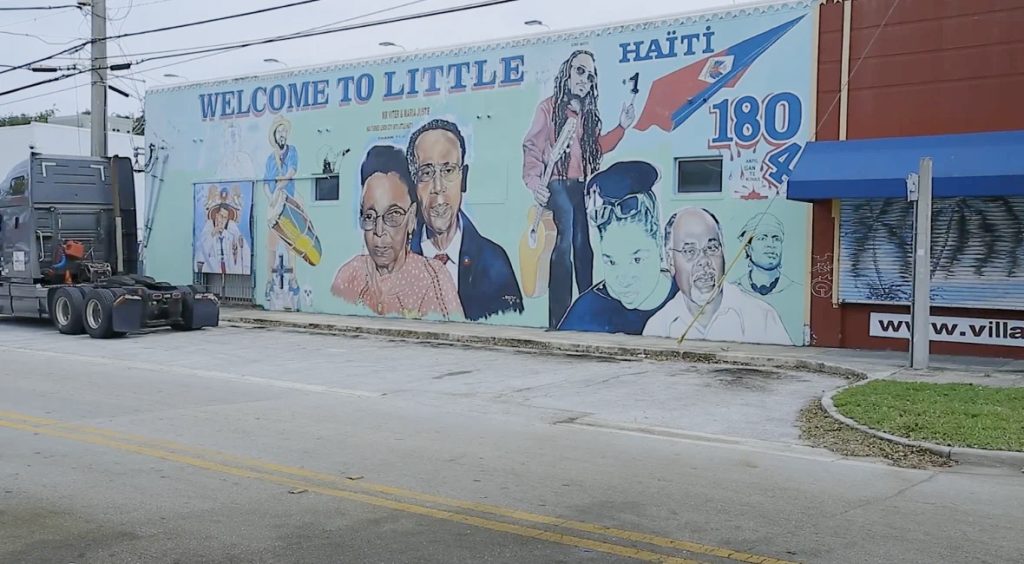
That is why the central debate is not whether development should happen at all. It is whether the people who built the neighborhood will still have a place in its future.
City policies and local institutions do show that officials understand some of the risk. The Little Haiti Revitalization Trust says it supports affordable housing, small business development and economic opportunity within the neighborhood. Its funding policy specifically includes support for local small business development, job creation and community programs.
Still, residents have heard such promises before. What many want now are concrete guarantees: protections for tenants, support for legacy businesses, homeownership pathways for working families, and a serious effort to make sure redevelopment does not erase the very community it claims to help.
That tension is likely to define the next phase of Little Haiti’s future. On one side are developers and public officials who see a fast-changing urban corridor with major economic potential. On the other are residents, workers and business owners who fear they may be priced out of the community before they ever get to share in its rewards.
In the end, the question facing Little Haiti is larger than one project or one conference. It is whether growth can happen without displacement, and whether investment can strengthen a historic Haitian neighborhood instead of hollowing it out.
For many in the community, that is the real test: not whether development comes, but whether Little Haiti will still belong to the people who made it Little Haiti.