Overview
The U.S. House’s passage of H.R. 1689 (Haiti TPS Bill) marks a major step forward for more than 350,000 Haitians living under TPS, after a rare bipartisan effort pushed the bill through a key procedural vote on April 15 and then to final approval on April 16. Now headed to the Senate, the measure represents hope for Haitian TPS holders seeking greater legal stability, continued work authorization, and protection from deportation, even though the fight is not over and the bill would still need Senate approval and the president’s signature to become law.
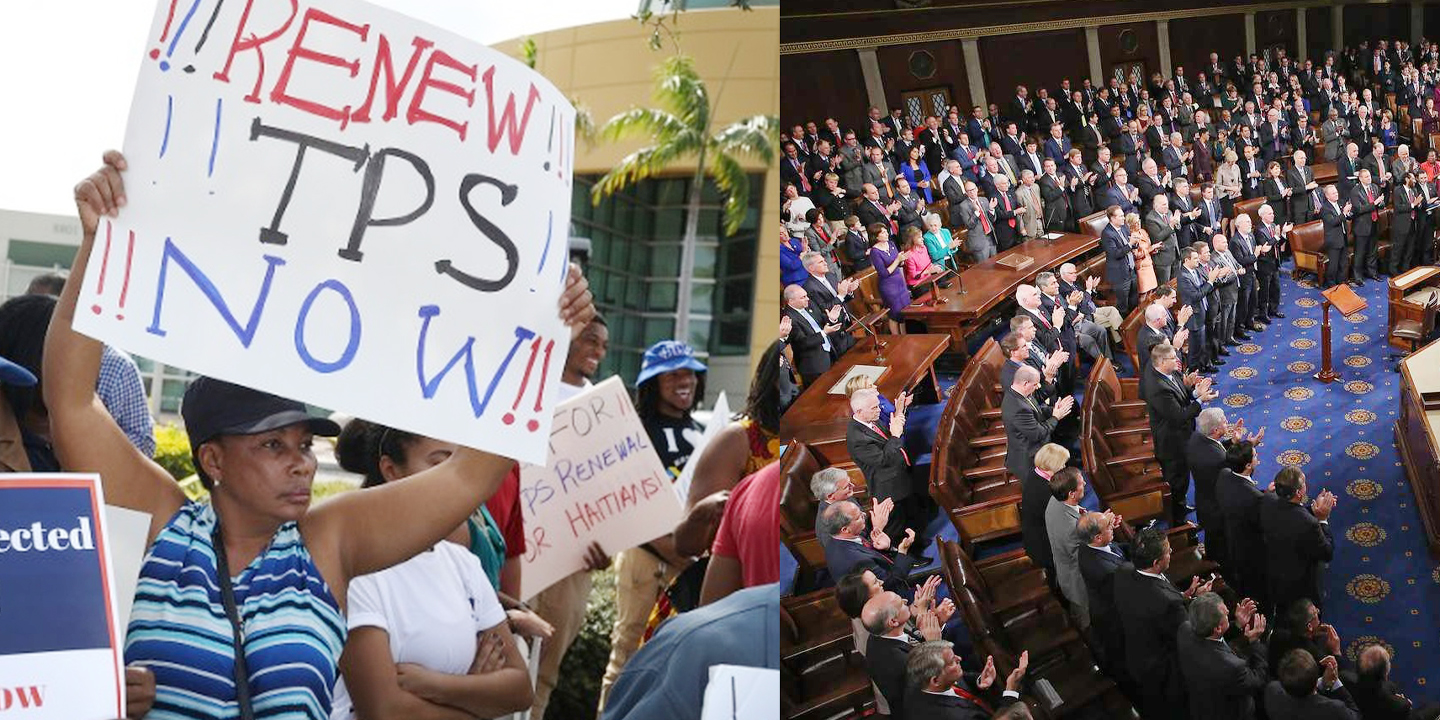
WASHINGTON (Le Floridien) — The U.S. House of Representatives on Thursday passed H.R. 1689, the Haitian TPS extension bill, in a major step for Haitian immigrants living in the United States under Temporary Protected Status. The bill, which would extend Haitian TPS for three more years, passed by a vote of 224 to 204, marking a rare moment of bipartisan support for an immigration measure during the Trump era.
The bill did not reach the floor easily. Its path was driven by a bipartisan push led in large part by Rep. Ayanna Pressley of Massachusetts, who filed the discharge petition that forced House leadership to allow a vote, along with the bill’s sponsors, including Rep. Laura Gillen of New York, Rep. Mike Lawler of New York, and Rep. Sheila Cherfilus-McCormick of Florida. The measure was originally introduced to require the Department of Homeland Security to designate Haiti for Temporary Protected Status.
The decisive turning point came on Wednesday, April 15, when the House approved the discharge effort by a vote of 219 to 209, allowing the measure to bypass the normal committee bottleneck and move to the floor for final consideration. That procedural victory was itself unusual and politically significant, as six Republicans joined all Democrats and one independent to help force the bill forward.
Then, on Thursday, April 16, the House approved the bill itself. On final passage, 10 Republicans and one independent joined Democrats in supporting the measure, underscoring the rare bipartisan nature of the vote.
The substance of the bill is critical for Haitian beneficiaries. Supporters say H.R. 1689 would extend Haiti’s TPS designation until 2029, giving Haitian nationals in the United States a new period of temporary legal protection at a time when the future of the program has remained highly uncertain.
For more than 350,000 Haitians living under TPS in the United States, the House vote represents far more than a symbolic win. TPS gives eligible Haitians protection from deportation and authorization to work legally in the United States while conditions in Haiti remain too dangerous for safe return. Supporters of the bill argue that ending those protections would throw families into fear and uncertainty, while also disrupting industries such as health care and elder care, where many Haitian TPS holders work.
The House action also came against the backdrop of an intense legal and political fight. The Trump administration has sought to end TPS protections for Haitians, but the courts have so far blocked that effort. As a result, current protections have remained in place for now, even as the issue continues to move through the legal system.
Now the bill moves to the Senate, where its future is far less certain. The measure faces a more difficult path in the Republican-controlled chamber, and there is no guarantee it will receive the same level of support there. No final outcome is assured, and the Senate stage could become the most difficult part of the process.
If the Senate does pass the bill, it would then go to the president’s desk to be signed into law. That would be the final step required for the extension to become official. Until then, Haitian TPS holders remain in a state of cautious hope, aware that an important House victory does not yet mean the battle is over.
Even with those hurdles ahead, Thursday’s House vote is a major moment for Haitian TPS holders. It shows that support for extending Haitian protections is not limited to one party and that there is still a meaningful bloc in Congress willing to challenge efforts to strip away those protections. For Haitian families, this vote does not end the fight, but it does move them one step closer to more legal stability, continued work authorization, and protection from deportation at a time when Haiti remains mired in violence, insecurity, and deep political instability.