Ayiti Community Trust (ACT), co-founded by Haitian-American psychologist Dr. Guerda Nicolas, is working to help Haitian TPS holders facing a return to Haiti make a dignified transition, reconnect with opportunities and use their skills and experience to rebuild their lives.
By Le Floridien Staff
MIAMI — Ayiti Community Trust (ACT), a South Florida-based Haitian organization, is developing an initiative to help Haitians facing the loss of Temporary Protected Status prepare for a dignified return to Haiti and rebuild their lives. The effort comes as thousands of Haitian families confront difficult decisions about their future in the United States.
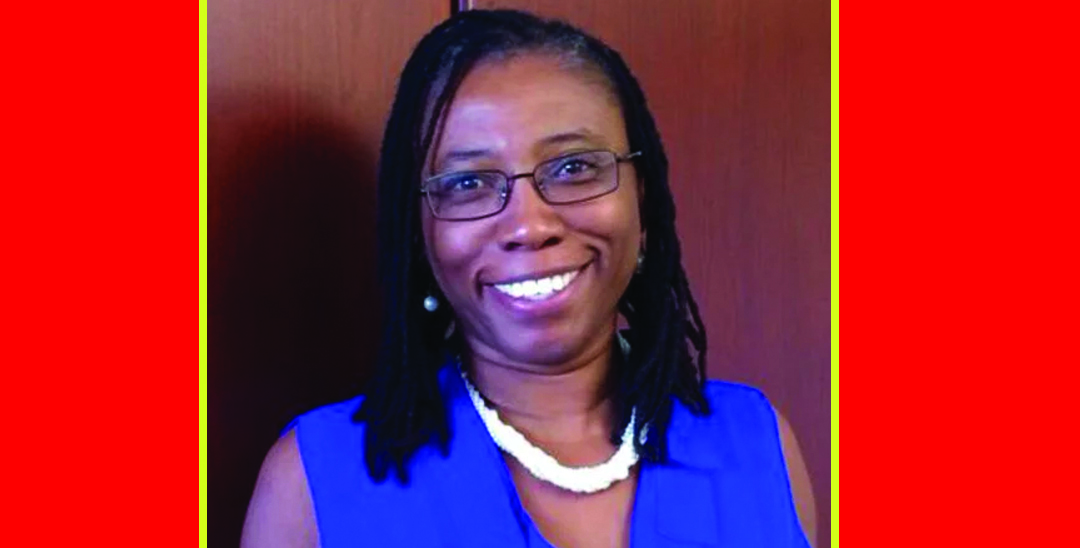
At the center of that effort is Dr. Guerda Nicolas, a Haitian-American psychologist and University of Miami professor who serves as president and co-founder of Ayiti Community Trust (ACT), a transnational foundation dedicated to supporting Haitian-led development.
For Nicolas, helping Haitians return should involve much more than buying a plane ticket. The challenge is creating what has been described as a “soft landing” — helping returnees reconnect with Haiti, find opportunities and use the professional skills, experience and resources they accumulated while living in the United States.
It is an approach that could become increasingly important in South Florida, home to one of the largest Haitian populations in the United States.
A “Soft Landing” Instead of Simply Sending People Back
Nicolas was born and raised in Haiti before pursuing an academic and professional career in the United States. She earned a doctorate in clinical psychology from Boston University, trained at Columbia University Medical Center and later joined the University of Miami. Her research has focused extensively on immigrant children and families, Haitian social-support networks and culturally appropriate mental-health interventions.
That background gives Nicolas an unusual perspective on what returning to Haiti can mean psychologically as well as economically.
For some former TPS holders, Haiti may technically be their country of birth, but returning after many years abroad can amount to starting life over again.
They may have built careers in Florida, raised American-born children, established businesses, purchased homes and developed professional networks. Some may no longer have a home or strong family support system waiting for them in Haiti.
The question, therefore, is not simply how people get back to Haiti. It is how they rebuild once they arrive.
That philosophy fits closely with the mission of Ayiti Community Trust.
Founded in 2016, ACT describes itself as a transnational community foundation operating in both the United States and Haiti. Rather than imposing projects from abroad, the organization says it invests in Haitian-led organizations and programs designed to create greater self-sufficiency. Its work centers on three areas: civic education, the environment and entrepreneurship.
ACT’s philosophy is particularly relevant to returning TPS holders because employment and economic independence could determine whether a returnee successfully reintegrates or becomes another person struggling to survive in an already fragile economy.
Someone returning from South Florida after years as a nurse, construction worker, business owner, technician, educator or other professional does not return empty-handed. That individual carries skills, experience and knowledge acquired in the United States.
The challenge is connecting those assets with opportunities in Haiti.
For entrepreneurs, that could mean assistance establishing businesses. For professionals, it could involve identifying organizations or companies where their experience is needed. For others, rebuilding may begin with something as fundamental as establishing a support network and finding a safe community in which to live.
The concept is therefore very different from simply encouraging Haitians to leave the United States.
It recognizes that some people may return regardless of whether Haitian advocates agree with the immigration policies that led to their departure — and that those people should not be abandoned once they reach Haiti.
Could Returning Haitians Become Part of Haiti’s Reconstruction?
There is another dimension to the work of Ayiti Community Trust: the possibility that Haitians returning from abroad could eventually contribute to rebuilding the country itself.
ACT’s stated vision is “a thriving, self-sufficient Ayiti, where Haitian communities lead their own development.” Rather than making Haiti permanently dependent on international assistance, the organization seeks sustainable funding for Haitian-led organizations and invests in projects intended to build local capacity.
The organization also deliberately invests beyond Port-au-Prince, arguing that development resources need to reach communities throughout Haiti.
That model could provide an important framework for Haitians returning from the United States.
The Haitian diaspora has traditionally contributed to the country primarily through remittances, charitable assistance and investment. But returning Haitians potentially bring another valuable resource: human capital.
A healthcare professional returning from Miami brings years of medical experience. A contractor may bring construction expertise. An entrepreneur may understand business management. Someone who spent years working in hospitality, transportation, technology or education may possess skills that can be transferred to Haiti’s economy.
The opportunity is to prevent those abilities from being wasted.
ACT already works on the financial side of Haitian-led development. The organization manages donor funds, provides grants to community organizations and is building an endowment intended to generate long-term funding for projects in Haiti. Its funds are invested through The Miami Foundation, with investment proceeds intended to support Haitian-led organizations.
For former TPS holders contemplating departure, however, the situation remains extraordinarily difficult.
A “soft landing” cannot eliminate Haiti’s security problems, political instability or economic challenges. Nor should programs designed to help returning Haitians be interpreted as evidence that conditions in Haiti are safe or that every TPS holder should return.
Instead, the effort addresses a practical humanitarian question.
If someone does return, what happens the morning after the plane lands?
Does that person have somewhere to live? Can he or she find employment? Can children enter school? Can a professional transfer skills acquired in America? Can an entrepreneur start a business? And perhaps most importantly, can someone who spent years building a life in the United States find a realistic path toward rebuilding another one in Haiti?
Those are questions immigration policy alone cannot answer.
For an organization such as Ayiti Community Trust, the response lies in strengthening Haitian institutions and putting Haitians themselves at the center of the country’s development.
That may ultimately be what makes the initiative particularly relevant at this moment. The debate over TPS has largely centered on whether Haitians should be permitted to remain in America. Nicolas and ACT are confronting the difficult question that comes afterward:
For those who do go back, how can Haiti receive them not simply as people who lost an immigration status, but as Haitians with skills, experience and the potential to help rebuild both their own lives and their country?
That is the difference between simply returning someone to Haiti — and giving that person a chance at a new beginning with dignity.