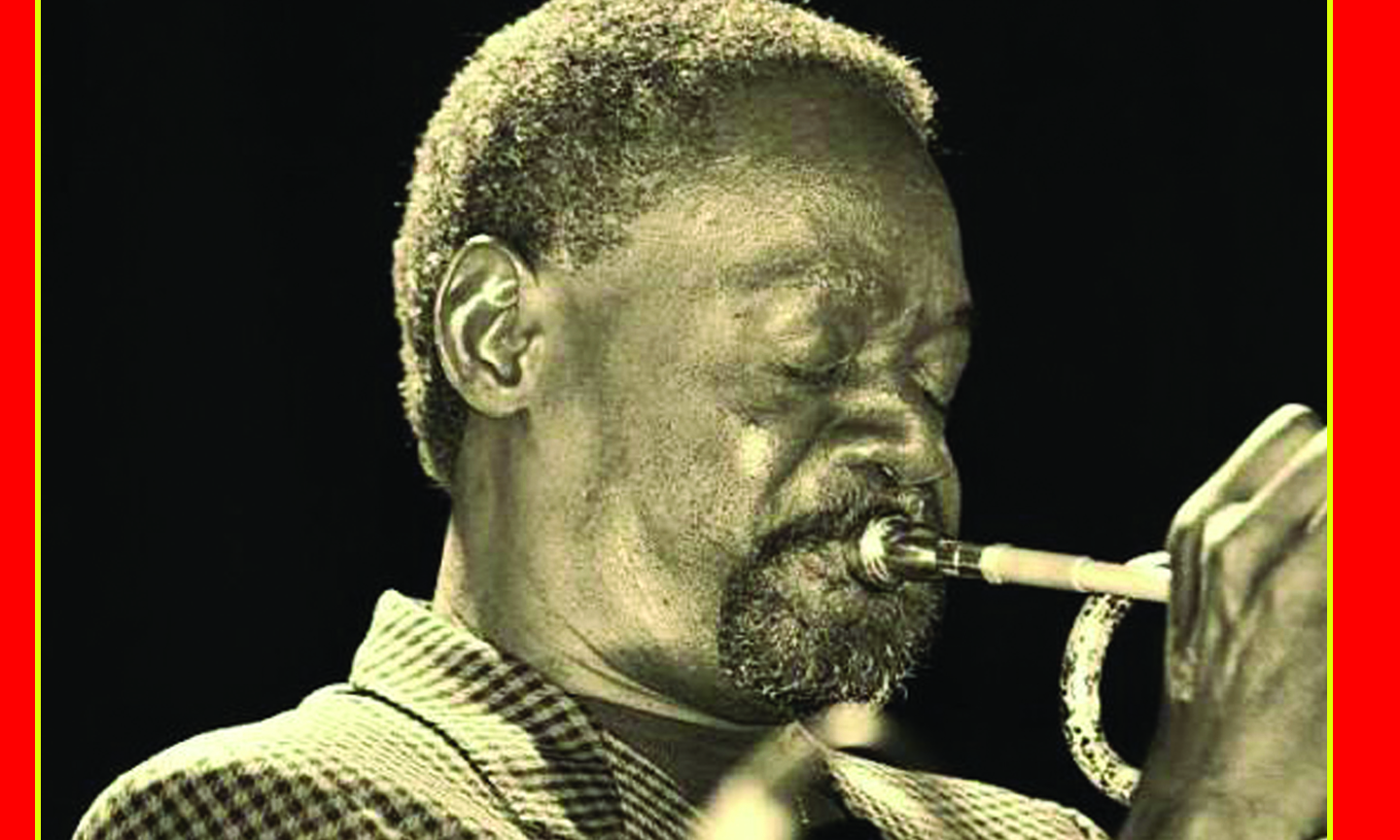
The renowned horn player and musical director leaves behind decades of recordings that helped elevate Les Frères Déjean into a Haitian cultural institution.
By Le Floridien
MIAMI — Haitian konpa has lost one of its influential figures with the death of André Déjean, a founding member and leading creative force of Les Frères Déjean de Pétion-Ville. He was 75.
An accomplished trumpeter and trombonist, Déjean also worked as a songwriter, arranger and musical director. His technical precision and artistic vision helped shape an orchestra celebrated for its powerful horn section.
His contributions gave Les Frères Déjean a musical identity recognizable from the opening measures of a song. The combination of brass, percussion, guitar and vocals produced a polished style that distinguished the band during a highly creative period in Haitian popular music.
From Pétion-Ville to International Recognition
The orchestra was formed in Pétion-Ville in 1963 under the name Les Frères de Pétion-Ville. Later renamed Les Frères Déjean, it went on to become one of Haiti’s longest-standing and most respected musical ensembles.
As the lineup evolved, the Déjean family remained at the group’s core. André played an essential role in crafting its arrangements, while his trumpet brought energy, elegance and depth to recordings that eventually became konpa classics.
The band released its first album, Haïti, in 1974, establishing itself as a major presence on the national music scene. Other releases followed, including Pa gain panne, International, Bouki ak Malice, L’Univers, Non Stop and Sans rancune.
“Débaké” and “Arrêté,” from the successful Bouki ak Malice album, rank among the group’s best-known recordings. Decades later, its catalog remains popular at Haitian gatherings and on radio programs celebrating the classic era of konpa.
A Musician Respected by His Peers
Déjean earned the admiration of fellow musicians for his discipline, knowledge and attention to detail. He belonged to a generation that valued rigorous rehearsals, carefully constructed arrangements and the collective strength of an orchestra.
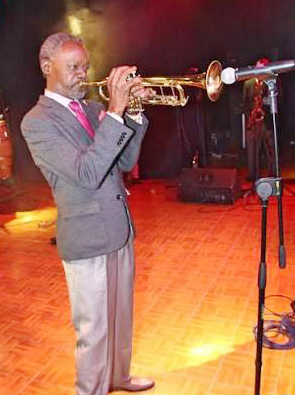
He also created opportunities for other instrumentalists to develop their talents. Musicians who worked with or learned from him carried elements of his approach into other Haitian bands, extending his influence beyond the recordings of Les Frères Déjean.
In 2015, during the presidency of Michel Martelly, Déjean was among five musicians honored at Haiti’s National Palace for their contributions to the country’s culture. The recognition reflected the prominent place he had earned in Haiti’s artistic history after decades of dedication.
During the final years of his active career, Déjean performed with Nu-Look, a prominent modern Haitian konpa band. His presence connected the experience and musical discipline of an earlier generation with a contemporary sound, giving audiences additional opportunities to appreciate his mastery of the trumpet.
Déjean’s death is another reminder that the generation of artists who transformed konpa during the 1960s and 1970s is gradually leaving the stage. The industry also recently lost André “Dadou” Pasquet, the master guitarist and co-founder of Magnum Band who was another major architect of the genre. As these pioneers depart, preserving their recordings, documenting their stories and introducing their work to younger audiences become increasingly important responsibilities.
A Catalog That Will Outlive Its Creator
For Haitians who experienced the height of the large konpa orchestras, Les Frères Déjean provided the soundtrack to dances, celebrations and significant moments of everyday life. For those who later settled abroad, the recordings offered an enduring connection to their homeland.
The group’s influence reached far beyond Haiti’s borders. It earned considerable respect throughout the Caribbean and built a devoted following in the French Antilles, particularly Martinique and Guadeloupe, where audiences embraced its sophisticated arrangements and distinctive sound. News of Déjean’s death therefore resonates across the region among listeners who remember both the musician and the era he helped define.
André Déjean leaves behind a body of work that documents an exceptional period of Haitian creativity. His trumpet may now be silent, but the recordings he helped shape will continue to fill homes, radio stations and dance floors wherever konpa is played.
Le Floridien offers its heartfelt sympathies to the Déjean family, his musical colleagues and everyone touched by his artistry.