Overview
At least 25 people died Saturday night at the Citadelle Laferrière in Milot, Haiti, in a deadly crowd crush caused by severe overcrowding and panic. The tragedy has raised urgent questions about safety, crowd control, and accountability at one of Haiti’s most important historic sites.
By Le Floridien
The Citadelle Laferrière, one of Haiti’s most powerful national symbols, became the scene of a devastating tragedy on Saturday night, April 11, 2026, when a mass casualty incident in Milot left at least 25 people dead and many others injured. The news has shocked the country and deeply affected Haitians at home and abroad, as families search for answers about what exactly happened at the historic site.
According to the most credible information available so far, the deaths were caused by a crowd crush, also known as a stampede. Early reports indicate that victims died from trampling and asphyxiation after panic broke out in a heavily crowded area near an entrance or access point. At this stage, there is no confirmed evidence that the tragedy was caused by gunfire, gang violence, or a structural collapse. That distinction matters, especially as rumors and conflicting accounts continue to circulate online.
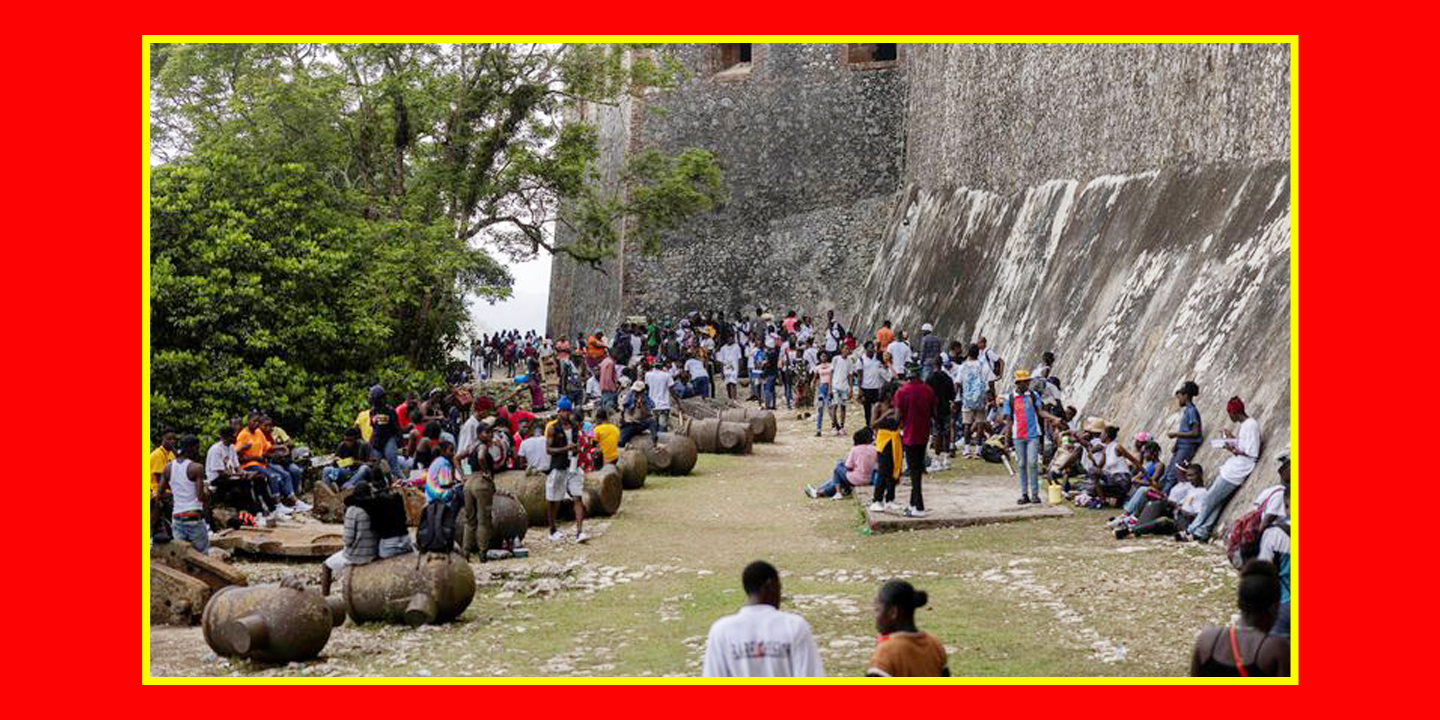
Witness reports and early media coverage suggest that a large number of people, including many young attendees and students, had gathered at the Citadelle that evening. The site, which draws visitors for its historical significance and national importance, appears to have become dangerously overcrowded. Rain may also have worsened conditions and contributed to confusion or sudden movement within the crowd, increasing the pressure in a narrow area where people were trying to pass.
What Happened
What seems increasingly clear is that this was a deadly crowd-management failure. The combination of severe overcrowding, restricted movement through a bottleneck, and possible panic created the conditions for disaster. In situations like this, people do not necessarily die because they fall alone, but because they become trapped in an unstoppable human surge with no room to breathe or escape.
The exact sequence of events is still under investigation, and many important questions remain unanswered. Authorities have not yet fully clarified what triggered the first wave of panic, how many people were present, or whether adequate precautions had been taken to manage such a large gathering. It is also still unclear who, if anyone, formally organized the event or authorized the movement of so many people to the site at the same time.
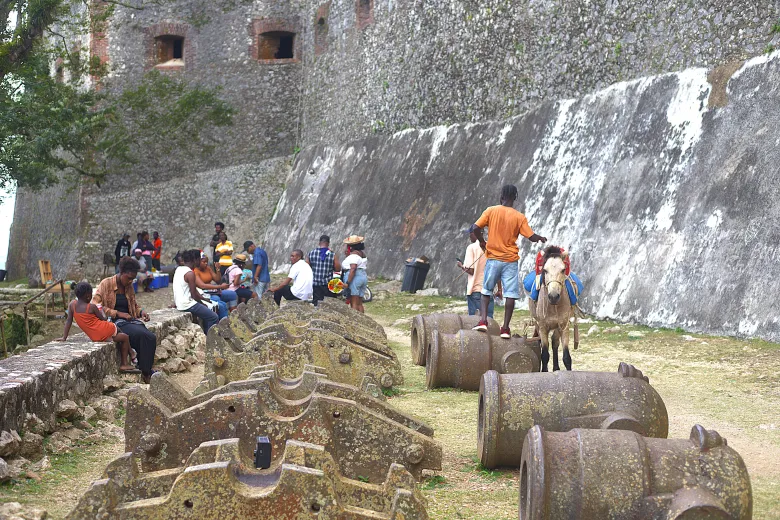
Several reports suggest that the gathering may not have been a single privately promoted event, but rather a large public outing or recurring gathering involving groups of visitors, including youth. If that is confirmed, attention will likely turn to the role of local authorities, organizers, or institutions responsible for safety planning. In a setting like the Citadelle, where terrain and access routes can already pose challenges, crowd control should have been a central concern.
What Remains Unknown
For now, the human toll remains the most painful reality. Dozens of families are mourning loved ones, while others are waiting for confirmation about relatives who may have been caught in the chaos. Hospitals in the area have reportedly received many of the injured, and the process of identification and official counting may continue to evolve in the coming days.
At the same time, misinformation has added to the confusion. Social media posts have offered different versions of the event, including claims that have not been verified by credible reporting. In moments of national trauma, false or premature information can spread quickly, which is why caution remains essential. The public still needs clear answers supported by evidence, not speculation.
What is already evident, however, is that this was a preventable tragedy. A site as important and sensitive as the Citadelle Laferrière should never become the setting for such a loss of life because of apparent failures in crowd management and emergency preparedness. As Haiti mourns, this tragedy will likely raise difficult questions about responsibility, planning, and public safety at national landmarks.
The Citadelle has long stood as a monument to Haiti’s courage, independence, and dignity. That it is now linked to such a painful event only deepens the sorrow felt across the nation. Until more official details emerge, the country remains in mourning, while families, journalists, and the public continue to seek the truth about what happened on that terrible Saturday night.