MIAMI, FL (Le Floridien) – The case involving prominent Haitian businessman Dimitri Vorbe has taken a dramatic new turn after reports revealed that while U.S. authorities reportedly approved his deportation to the Dominican Republic, Dominican officials are now refusing to allow him entry into the country.
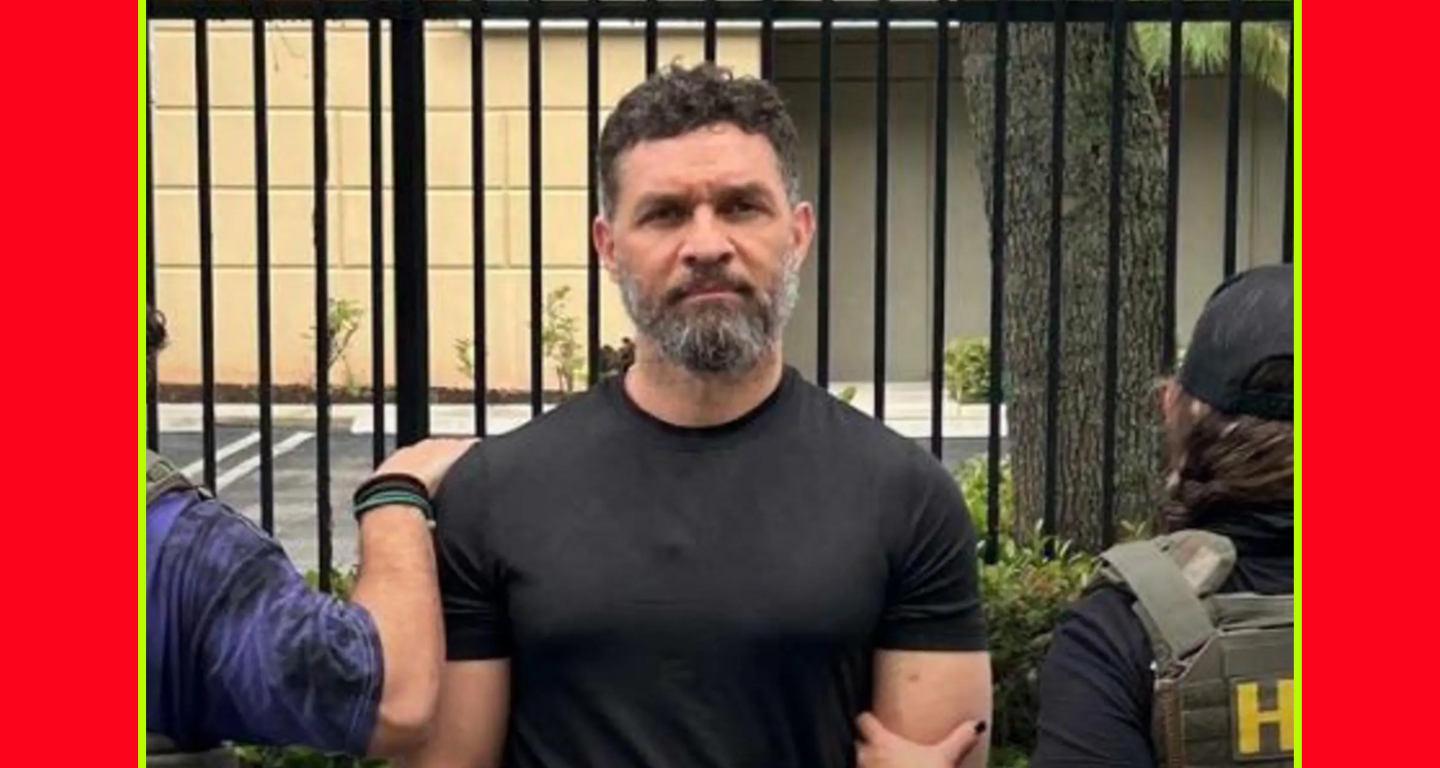
Vorbe, a well-known figure in Haiti’s private sector and former head of Société Générale d’Énergie (SOGENER), was arrested by U.S. Immigration and Customs Enforcement (ICE) in Miami in September 2025. According to the Associated Press, U.S. officials accused him of activities allegedly linked to instability and violence in Haiti, claims that immediately sparked debate both inside Haiti and throughout the Haitian diaspora.
At the time of his arrest, authorities alleged that Vorbe’s activities could negatively affect U.S. foreign policy interests in Haiti. However, public reports indicated that it remained unclear whether formal criminal charges had been filed against him.
The situation became even more controversial after Haitian newspaper Le Nouvelliste reported that Vorbe had reached an agreement with U.S. authorities to be deported to the Dominican Republic instead of Haiti. The agreement was reportedly approved by Federal Judge Darrin Gayles.
But shortly afterward, Dominican authorities publicly pushed back.
According to Dominican Today, the Dominican Republic’s General Directorate of Migration confirmed that Vorbe has been prohibited from entering Dominican territory since October 13, 2025, following a decision reportedly tied to the country’s National Intelligence Directorate.
The conflicting positions now raise major questions about what happens next.
If the Dominican Republic refuses to receive him, where will U.S. authorities send him? Could Haiti ultimately become the only remaining option despite the reported agreement? And what does this case reveal about the increasingly complicated relationship between Haiti, the Dominican Republic, and the United States amid Haiti’s ongoing crisis?
The development has already triggered intense reactions across Haitian social media, where opinions remain sharply divided.
Some Haitians argue that the case reflects growing international pressure on members of Haiti’s economic elite accused of benefiting from or contributing to instability in the country. Others believe the situation raises concerns about due process, political targeting, and the broader treatment of Haitian nationals abroad.
The case also comes at a time when relations between Haiti and the Dominican Republic remain tense over immigration, border security, and the worsening security crisis fueled by armed gangs in Haiti.
For many observers, the Vorbe affair is becoming far more than an immigration case. It is now evolving into a regional political issue involving diplomacy, national security, immigration policy, and Haiti’s internal power struggles.
As uncertainty grows over where Dimitri Vorbe may ultimately be deported, one thing is certain: the story is far from over.
What do you think? Should the Dominican Republic accept Dimitri Vorbe, or should he be deported back to Haiti?