Can Haiti really hold credible elections while armed gangs control much of the country? An analysis of the security challenges, political risks, and obstacles facing Haiti ahead of the December 2026 presidential elections.
By Le Floridien Staff
Haiti’s decision to schedule presidential and legislative elections for December 13, 2026, has been welcomed by many as an important step toward restoring constitutional order. After nearly a decade without national elections and years of political instability following the 2021 assassination of President Jovenel Moïse, many Haitians are eager to elect leaders through the ballot box rather than continue under transitional governance. Yet the announcement immediately raises a difficult question: Can Haiti realistically organize free, fair, and credible elections while armed gangs continue to dominate large parts of the country?
That question is at the center of Haiti’s political future. The country’s Provisional Electoral Council (CEP) has acknowledged that the electoral calendar depends on a significant improvement in security. While setting an election date sends a positive signal, the success of any election will depend not only on political will but also on whether millions of Haitians can safely register, campaign, travel to polling stations, and cast their ballots without intimidation.
Security Remains the Biggest Obstacle
One of the greatest challenges is geography. Armed gangs continue to control or heavily influence neighborhoods across Port-au-Prince and have expanded into surrounding regions. In some areas, residents face roadblocks, extortion, kidnappings, and gun battles that make normal daily life difficult. Holding elections under these conditions would require election workers, security forces, observers, and voters to move safely through areas where the state has only limited authority.
Even if voting centers are established, questions remain about whether candidates will be able to campaign freely across the country or whether some communities will effectively be excluded from the democratic process because of insecurity.
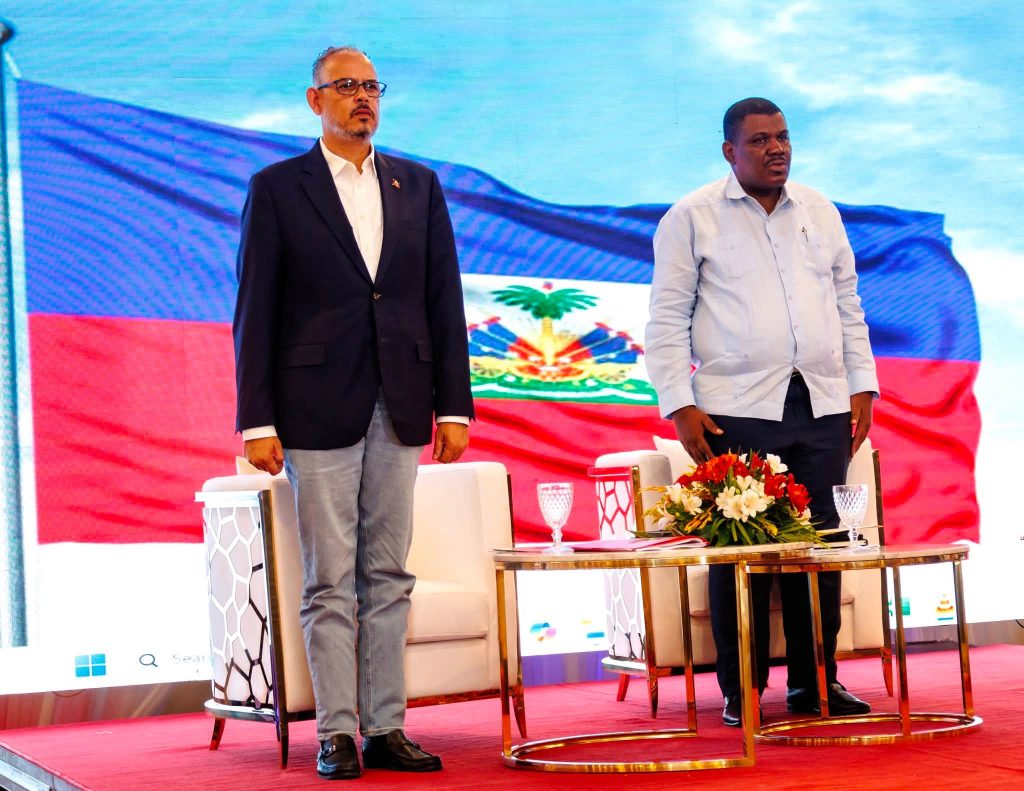
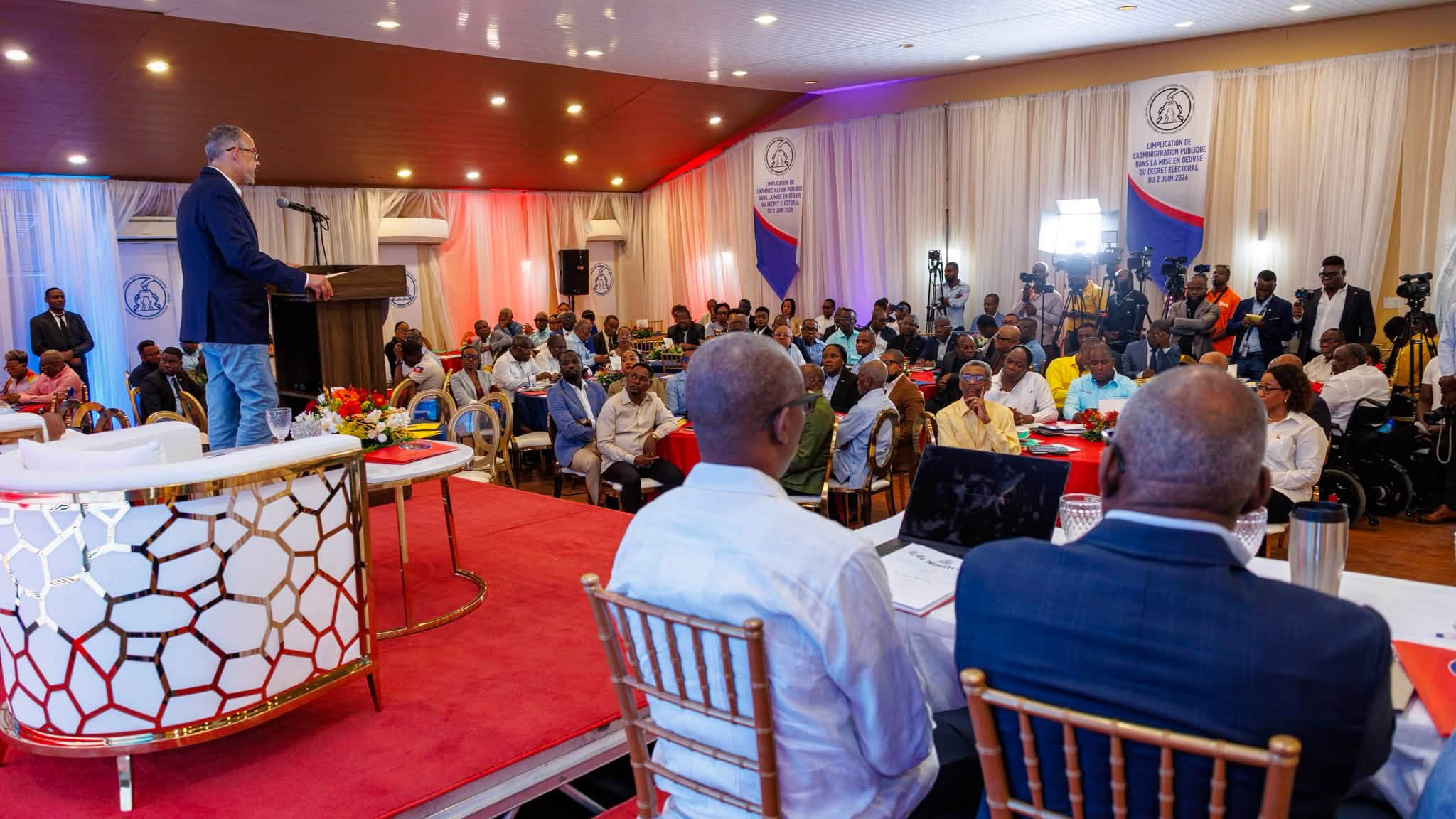
Photo credit: Facebook / Haiti Primature.
Can All Haitians Vote?
A credible election requires more than simply opening polling stations. Citizens must have equal access to vote regardless of where they live. Yet hundreds of thousands of Haitians have been displaced by gang violence, leaving many families living in temporary shelters far from their original communities. Organizing voter registration, updating electoral lists, and ensuring displaced citizens can participate will be a significant logistical challenge.
If large portions of the population are unable to vote, the legitimacy of the election could be questioned both domestically and internationally.
The Role of the FRG and International Support
Why Holding Elections Still Matters
Despite these enormous obstacles, postponing elections indefinitely also carries risks. Haiti has lacked elected national institutions for years, contributing to political uncertainty and weakening public confidence in government. Holding elections could provide an opportunity to restore constitutional legitimacy, strengthen democratic institutions, and give Haitians a greater voice in determining the country’s future.
However, elections alone cannot solve Haiti’s deeper problems. A newly elected president and parliament would still face the enormous tasks of restoring public security, rebuilding state institutions, improving the economy, and addressing the humanitarian crisis affecting millions of citizens.
A Critical Test for Haiti
The announcement of December elections represents an important political milestone, but it does not guarantee success. Haiti’s greatest challenge is not setting an election date—it is creating conditions that allow citizens to vote freely, safely, and without fear.
The coming months will determine whether security improves enough to make nationwide elections possible. If it does, Haiti could take an important step toward restoring democratic governance. If not, the country may once again face difficult decisions about balancing the urgent need for elections with the equally important need to ensure those elections are credible, inclusive, and secure.