By Le Floridien_________
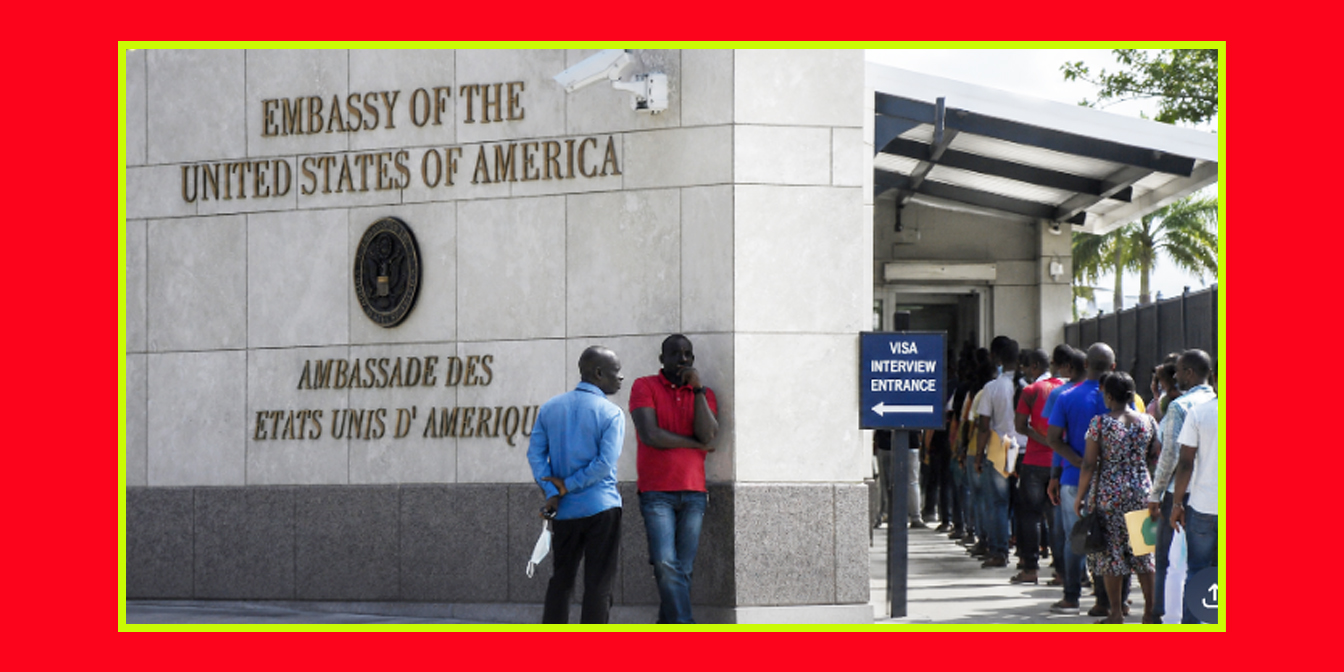
A new immigration policy issued by USCIS on May 21, 2026, is creating concern within the Haitian community, especially among Haitians who entered the United States legally on tourist visas, later got married, and planned to obtain their Green Cards without returning to Haiti.
According to a USCIS press release obtained by Le Floridien, the agency is tightening how immigration officers evaluate Adjustment of Status applications, the process that allows certain immigrants already inside the United States to apply for permanent residency.
For many years, thousands of Haitians legally entered the country on visitor visas, later married U.S. citizens, and successfully adjusted their immigration status while remaining in the United States. That pathway became one of the most common immigration strategies used within the Haitian community in South Florida and across the country.
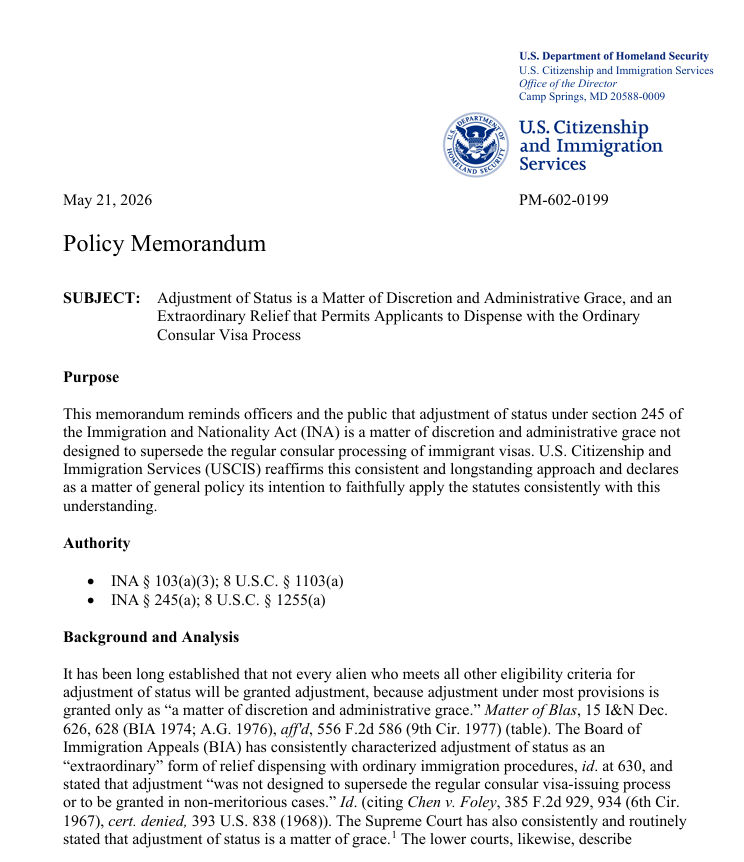
But under the new USCIS guidance, immigration officers are now being instructed to more carefully review these cases and determine whether applicants truly deserve what the agency describes as a “discretionary” immigration benefit.
USCIS also stated in its press release those temporary visas “should not function as the first step in the Green Card process” and emphasized that many immigrants should complete the residency process through U.S. consulates abroad.
Haitian Families Fear Greater Scrutiny and Possible Separation
Although the new policy does not completely eliminate Adjustment of Status inside the United States, immigration attorneys say it could significantly increase scrutiny for people who entered the country temporarily and later sought permanent residency through marriage.
For many Haitians, the possibility of having to return to Haiti for immigration processing is extremely concerning because of the country’s current conditions, including gang violence, kidnappings, political instability, economic collapse, and widespread insecurity throughout several parts of the country.
Many immigrant families fear that leaving the United States could result in long separations if visa processing delays or complications occur overseas. Others worry they could become trapped outside the country while waiting for decisions from U.S. consular offices.
Immigration experts also warn that some immigrants who overstayed visas or accumulated unlawful presence after their authorized stay expired could face additional legal risks if they leave the United States.
At the same time, attorneys stress that the new policy does not automatically prohibit people who marry U.S. citizens from obtaining Green Cards inside the country. However, officers may now more aggressively examine whether applicants intended to immigrate at the time they originally entered the United States on temporary visas.
The policy appears to have taken effect immediately on May 21 because USCIS did not announce any delayed implementation date in the memo released to immigration officers.
The new guidance is already generating anxiety among many Haitian families who viewed marriage-based Adjustment of Status as one of the safest and most stable pathways toward permanent residency in the United States.
Immigration attorneys strongly recommend that anyone potentially affected by the policy consult a qualified immigration lawyer before making decisions involving international travel, marriage-based petitions, or Green Card applications.